


Nintendo has shown an extended gameplay demonstration for The Legend of Zelda: Ocarina of Time remake, confirming a substantial set of changes beyond its rebuilt visuals. The Switch 2 remake launches worldwide on November 5, 2026, with series producer Eiji Aonuma presenting the new version during The Legend of Zelda 40th Anniversary Direct. Nintendo describes the project as a faithful interpretation of the 1998 Nintendo 64 game rebuilt using modern technology.
Movement has been expanded significantly compared with the original. Link can now jump freely using a dedicated button instead of relying on automatic contextual jumps, while holding the A button lets him dash across the environment more quickly. Swimming and diving also return, with Nintendo showing Link moving through water as part of the gameplay demonstration, while improved right-stick camera controls replace many of the fixed viewpoints associated with the original release.
Nintendo has also rebuilt locations to work with the freer camera. Areas that previously relied on pre-rendered backgrounds or restricted viewpoints have been recreated as fully three-dimensional environments, with additional details and some expanded spaces. Castle Town, for example, includes areas that were previously inaccessible, while the day-and-night cycle now continues even when Link enters towns rather than effectively pausing in certain locations.
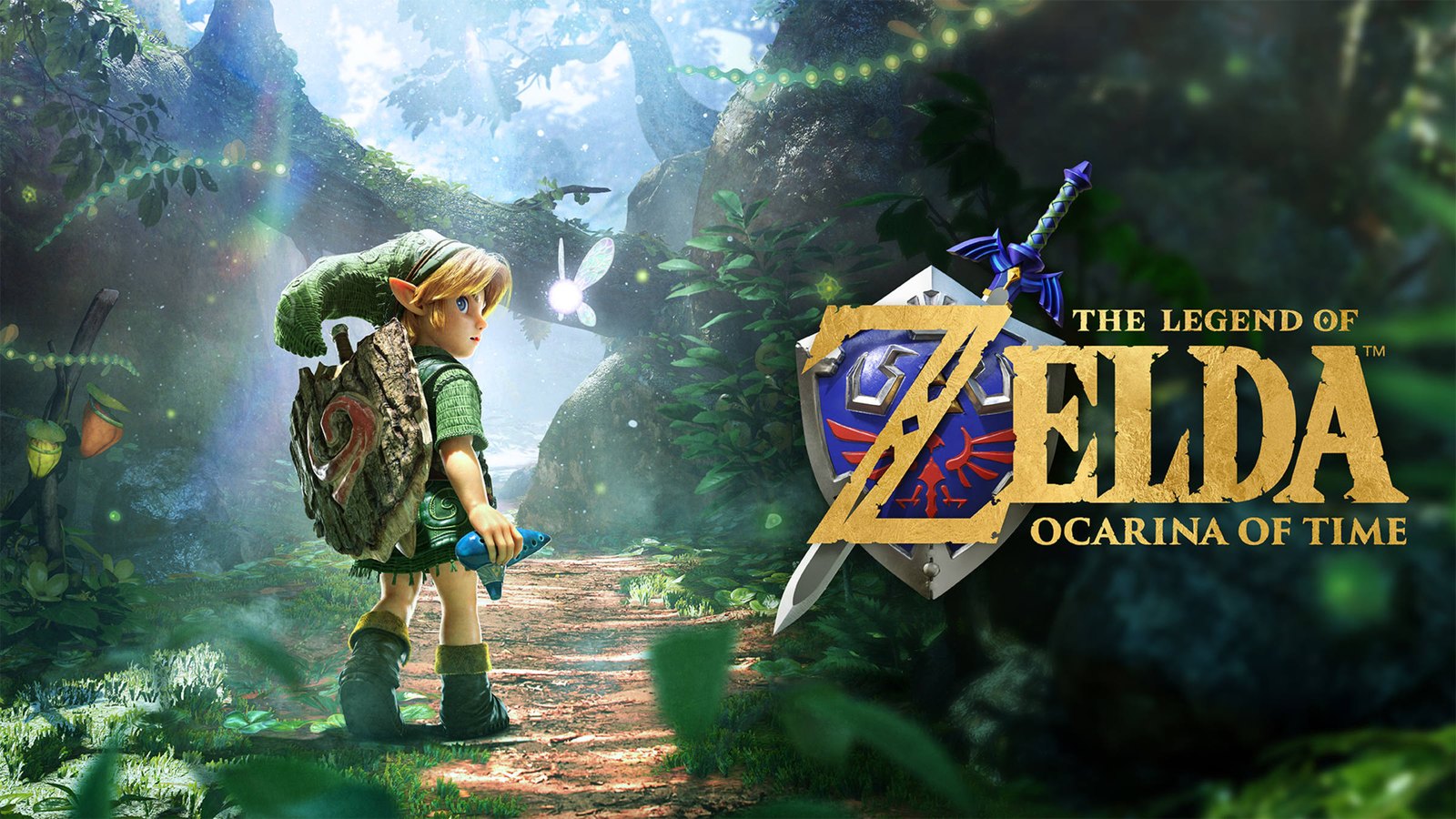
Story presentation is receiving a major update as well. Characters Link meets are fully voiced during expanded cutscenes, and Nintendo says NPCs have more dialogue than they did in the Nintendo 64 version. The remake retains the same fundamental story and progression structure rather than transforming Ocarina of Time into the open-ended format used by Breath of the Wild and Tears of the Kingdom.
A new feature called Threads of Time has been added to help players follow that more traditional adventure structure. It functions as a story and objective tracker that can be checked throughout the game, while a large illustrated tapestry gradually fills in as Link progresses through the narrative. Nintendo appears to be using the system both as a practical quest log and as a visual record of the journey.
The remake also expands how players interact with the Ocarina itself. Players can hum a melody that Link has already learned and have him reproduce it on the instrument in-game, using audio input through the Switch 2 hardware. Nintendo says the game can also respond to compatible physical instruments, including new playable and electronic Ocarina products announced as part of the franchise’s 40th anniversary celebrations.
Audio has been overhauled throughout the game, with refreshed sound effects and symphonic orchestral arrangements of Ocarina of Time’s soundtrack. Nintendo also says general actions have been made faster and more responsive, loading times have been reduced and overall performance is smoother. The presentation shown during the Direct ran with substantially more detailed lighting, materials, vegetation and character models than the original.
Zelda Notes integration will extend the game outside the console through the Nintendo Switch app. Players will be able to review daily accomplishments and statistics, complete location-based Gossip Quests, play a virtual Ocarina on a smartphone and take quizzes containing more than 2,000 questions. The app can also award points toward additional Ocarina music scores.
Nintendo had previously confirmed the remake for 2026 but revealed little beyond a brief teaser. An early Australian store listing subsequently suggested a AU$94.95 digital price, although Nintendo’s latest gameplay presentation focused primarily on the remake’s features and November release date. The company also revealed special 40th anniversary Switch 2 hardware and accessories arriving on October 29.
The Legend of Zelda: Ocarina of Time remake launches exclusively for Nintendo Switch 2 on November 5, 2026. With free jumping, improved camera control, expanded and fully rendered environments, voiced cutscenes, Threads of Time and orchestral music, Nintendo’s remake is adding modern systems while preserving the structure of the original adventure.
