


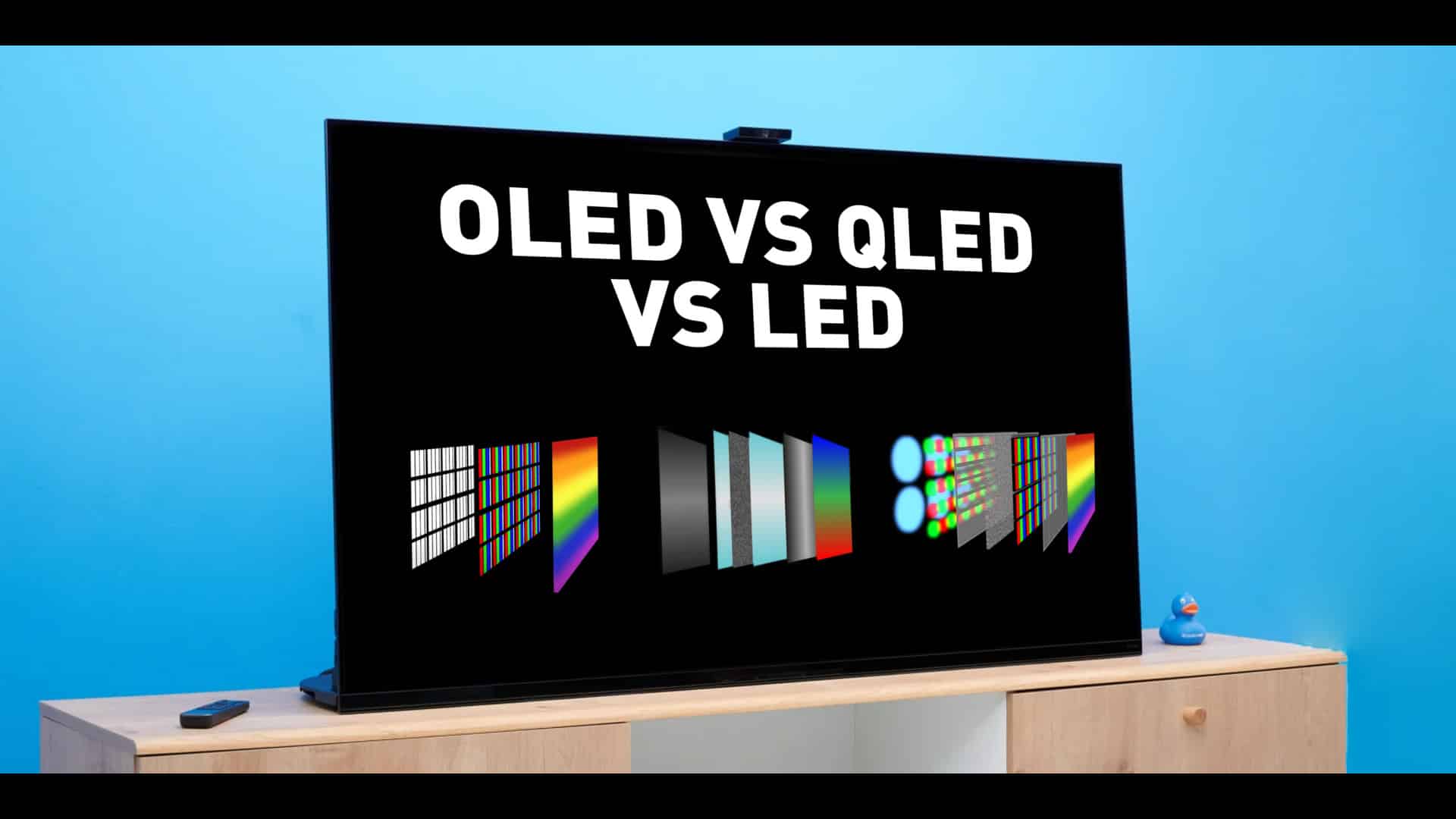
Televisions have redefined home entertainment in remarkable ways. With rapid advancements in display technology, choosing the right screen can be confusing. Each type offers unique advantages that shape the overall viewing experience, durability, and performance.
When comparing OLED, LED and QLED, understanding how each display operates helps narrow the selection. Each technology delivers different levels of brightness, color accuracy, and efficiency that appeal to specific needs. Selecting the best option depends on lifestyle, viewing habits, and the environment where the television will be used.
Brightness, Contrast, And Colors
To compare OLED and QLED with Mini-LED would be far better, as Mini-LED in the advanced version of simple LED which uses advanced, high-precision backlight technology instead of basic light used in LED.
Mini-LED, OLED, and QLED televisions rely on distinct methods to produce light and color. Mini-LED uses thousands of microscopic light-emitting diodes behind the screen for greater precision in brightness control. This method enables detailed dimming zones that result in better contrast and richer visuals than standard LED panels.
OLED screens use pixels that create their own light. Each pixel can switch off completely to produce pure blacks and infinite contrast. This direct light control delivers impressive realism that enhances depth, color, and sharpness in darker scenes.
When you watch a space documentary on it, the stars could pop up against truly black space, no gray glow, no light bleed, just perfect darkness where it should be. Each pixel produces its own light and color, eliminating the need for a backlight.
This creates the infinite contrast ratio OLED is famous for. The technology uses organic compounds that emit light when electricity passes through them. The result? Colors that look more natural and viewing angles that stay consistent even when you’re sitting off to the side.
However, the downside of OLED is that it can’t get as bright as QLEDs in peak brightness scenarios. In a sunlight room at 2 PM, the OLED picture could look a bit washed out compared to the QLED which we are going to discuss now, though brightness booster tech helps more than previous generations in OLED.
QLED (Quantum Dot Enhancement) isn’t actually a self-emitting technology like OLED. They use quantum dots, microscopic particles that produce incredibly pure colors when hit by light. They sit between the LED backlight and the LCD layer.
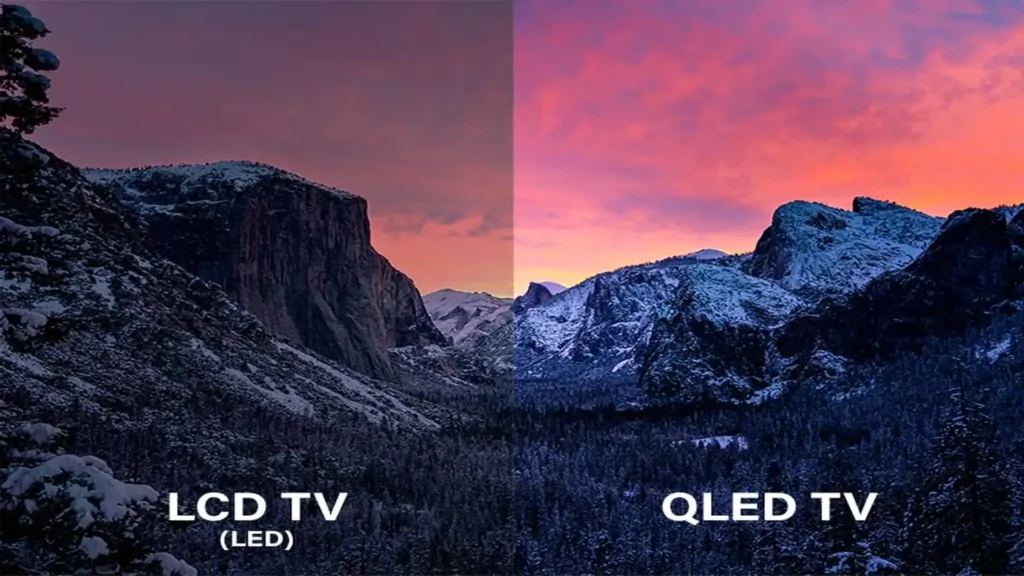
If you use a QLED, you will notice how vibrant colors look, especially reds and greens. The quantum dots convert the backlight into highly saturated primary colors, which is why QLED TV excel at showing nature documentaries and animated content. The TV can maintain excellent color accuracy even at high brightness levels – something OLED sometimes struggles with.
The trade-off is black levels. Since QLED still uses backlight. It can’t achieve true blacks like OLED. When you watch the same space scenario, there would be subtle grayish glow in dark scenes, though local dimming helps minimize this effect.
Traditional LED TVs (technically LED backlit-LCD) have come a long way. The TCL S5 and above use a full-array LED backlight with local dimming zones, which helps improve contrast compared to edge-lit designs of a few years ago.
What surprises more is how good a modern budget LED can look. The TCL delivered sharp 4K images, decent HDR performance, and smooth motion handling – all for under $250. However, it doesn’t match the contrast of OLED or the color volume of QLED, but for everyday viewing, the differences are less dramatic than you might expect.
The technology works by shining LED lights through liquid crystals and color filters. It’s proven, reliable, and energy efficient.
Is OLED Really Better Than QLED In Real Use?
To conclude, OLED delivers exceptional image quality due to its ability to achieve perfect contrast. Every pixel emits its own light, ensuring precise brightness and color reproduction. This technology provides an immersive cinematic feel that elevates movie nights and gaming experiences.
LEDs excel in producing bright and dynamic images that look outstanding in well-lit rooms. It offers strong HDR performance and enhanced brightness levels that make every detail pop. QLED uses quantum dots to improve color vibrancy and maintain brightness across a wide range of viewing angles.
Burn-In Risk
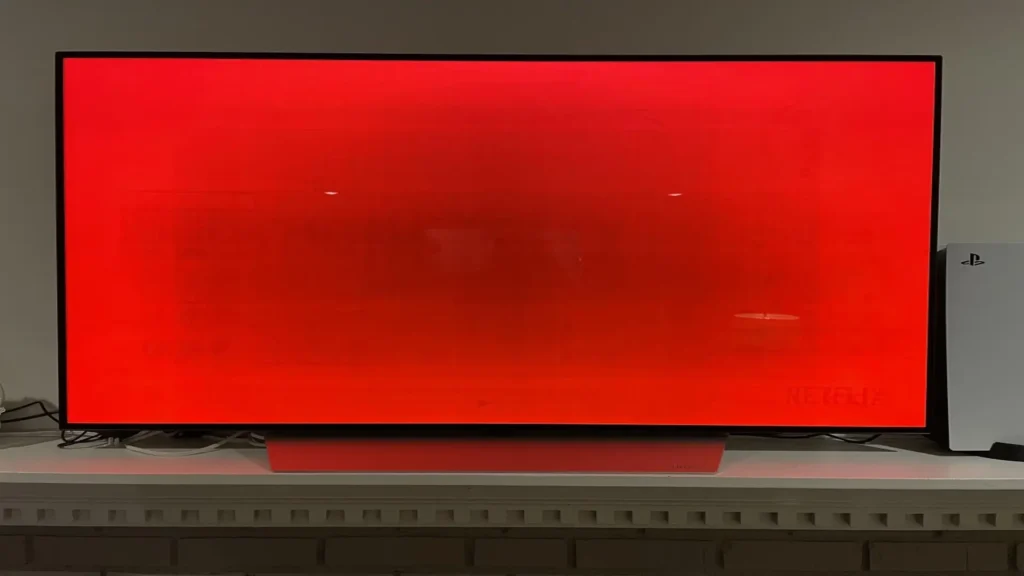
Burn-in is a phenomenon where static images – like news channel logos or game HUD elements – can leave a permanent image on an OLED screen. It’s worth mentioning, but for most viewers it’s not a practical concern. Modern OLED TVs include pixel-shifting and screen-saver features that prevent burn-in during normal use.
Does OLED Burn-In Still Happen In 2026?
OLED burn-in remains a concern, though it’s overblown for most users. They include multiple protection features: pixel refresher, logo luminance adjustment, and screen shift. Unless you display static content for hours daily (like using it as a computer monitor with taskbars), burn-in is unlikely during the TV’s lifespan.
QLED and LED TVs don’t suffer from burn-in since they use different technology. The quantum dots in QLED are rated for almost a decade long performance without degradation, while LED backlights typically last 60,000-100,000 hours – far longer than most TVs remain in use.
Do Budget LED TVs Still Look Good?
If you plan to use your TV as a computer monitor or leave the same channel running all day. LED is the safer bet. For typical varied viewing – streaming, movies, sport, gaming – OLED burn-in is extremely unlikely.
Lifespan
When deciding to go for one TV type, longevity is crucial consideration since it impacts the environmental effect and the value of your investment. You can make sure your TV lasts for many years by selecting one with a high quality, learning about the lifespan of various technologies, and adhering to recommend maintenance procedures.
Which Display Lasts Longer?
LED TVs typically last between 60,000-100,000 hours. This equates to around seven to eleven years of continuous use, assuming eight hours a day of TV use. They have a longer lifespan and may produce images of excellent quality for many years. As they are less vulnerable to burn-in problems, they offer less harm then other kind of displays.
Similarly, QLED TVs lifespan also fall in same range as LED TVs. The longevity offered by quantum dots, which do not deteriorate over time, and the resilience of LED backlights are two advantages of QLED technology.
OLED falls behind in race when it comes to lifespan. It offers an average life of between 30,000-50,000 hours, equivalent to three to five years of consistent use, or eight hours every day. OLED displays’ organic materials are prone to deterioration over time, which may result in a drop in brightness and possible problem with color accuracy.
Energy Consumption
LEDs, due to constant backlighting that remains on regardless of the content displayed. This concludes that LEDs use relatively consistent amount of power, typically ranging from 80 to 150 watts for a 55-inch model. They are generally considered energy efficient for regular viewing.
On the other hand, the most power consuming type of LEDs are OLEDs. Even though their pixels work independently, turning on and off when required, overall, they consume more energy on average while displaying bright HDR content. For instance, a 65-inch LG G4 OLED consumes about 175 watts, making them suitable for low-light environments.
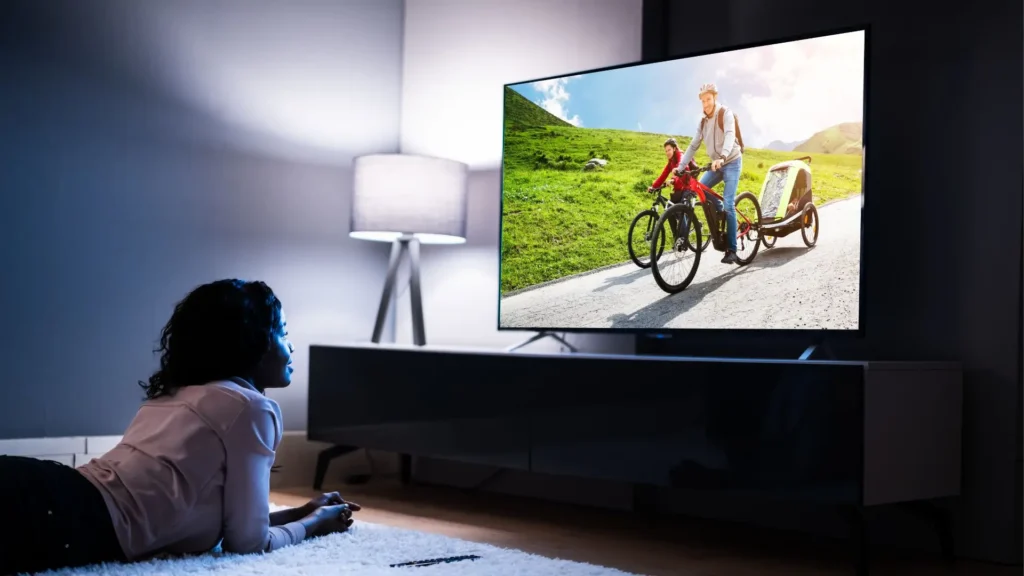
QLED behaves moderately when it comes to energy consumption. Their power consumption can vary, with newer models like the Samsung QN90D consuming around 132 watts for a 65-inch model.
Environment Specific Recommendations
OLED is the clear winner for dedicated theatre and dark rooms. Their perfect black and film-accurate colors create the most cinematic experience. Pair it with a good sound system, and you have theatre-quality presentation at home.
Which Is Best For Bright Rooms?
For bright living rooms, QLED shines literally in bright environments. They maintain their picture quality even with windows open during daytime viewing. The anti-glare coating and high-peak brightness make it ideal for spaces you can’t fully darken.
LED TVs make perfect sense for bedrooms, guest rooms, or kitchens. You get solid 4K picture quality and smart features without overspending on capabilities you won’t fully utilize in these spaces.
Gaming Performance
Which Is Better For Gaming?
OLED is objectively the best gaming display of the three. Four HDMI 2.1 ports meaning you can connect PS5, Xbox Series X, a gaming PC, and still have a port free. The 144 Hz refresh rate provides a competitive advantage in shooters and racing games. With both G-Sync and FreeSync support, screen tearing is eliminated regardless of your graphic card.
OLED is more resilient than ever to image retention. The instant pixel response eliminates motion blue completely – fast camera movements in games remain crystal clear.
QLEDs 60Hz limitation in most of its models, given that even budget TVs now offer 120 Hz support, is disappointing. However, the low input lag (around 10ms) and accurate colors make it suitable for casual gaming.
Surprisingly, LED TVs offer competent gaming features to their reasonable price point. While the Game Accelerator’s 120 Hz support uses motion interpolation rather than native refresh, it still reduces input lag and improves motion clarity.
Is It Worth It To Spend More On OLEDs?
Considering upgrading your TV to an OLED? With the promise of superior picture quality and sleek design, the prospect of investing in an OLED TV is undoubtedly enticing. However, before taking the plunge, it’s essential to weigh the benefits and drawbacks of this advanced display technology. From impeccable contrast and vibrant colors to potential concerns about longevity and cost, there are crucial factors to consider.
Many people believe that OLED TV is worth the extra money due to its superior picture quality, deeper black levels, wider viewing angles, and faster refresh rates compared to traditional LED TVs. Additionally, OLED TVs tend to have a thinner and more stylish design.
However, the decision ultimately depends on individual preferences, usage, and budget. If someone highly vales top-notch display quality and can afford the additional cost, an OLED TV may be a worthwhile investment.
More Guides
eSIM Vs Physical SIM – Pros, Cons, And Which Is Better
Buying A New Laptop – What You Must Check Before Paying
Smart TV Vs Android TV Vs Google TV – What’s The Difference?
