


Sony has won a £1.97 billion ($2.6 billion) class-action lawsuit in the United Kingdom over allegations that its PlayStation Store unfairly restricted competition and inflated digital game prices. London’s Competition Appeal Tribunal unanimously dismissed the case on November 17, 2026, ruling that the claimants had failed to establish that Sony violated competition law.
The ruling ends the current attempt to secure compensation for approximately 12.2 million UK PlayStation customers, although the judgment could still face an appeal. The case, brought by consumer rights campaigner Alex Neill in August 2022, challenged Sony’s control over digital game distribution on PlayStation consoles.
The lawsuit alleged that Sony abused its position by requiring digital PlayStation games and downloadable content to be purchased through the PlayStation Store. Claimants argued that this arrangement restricted competing storefronts and allowed Sony to charge excessive commissions, ultimately increasing prices for consumers.
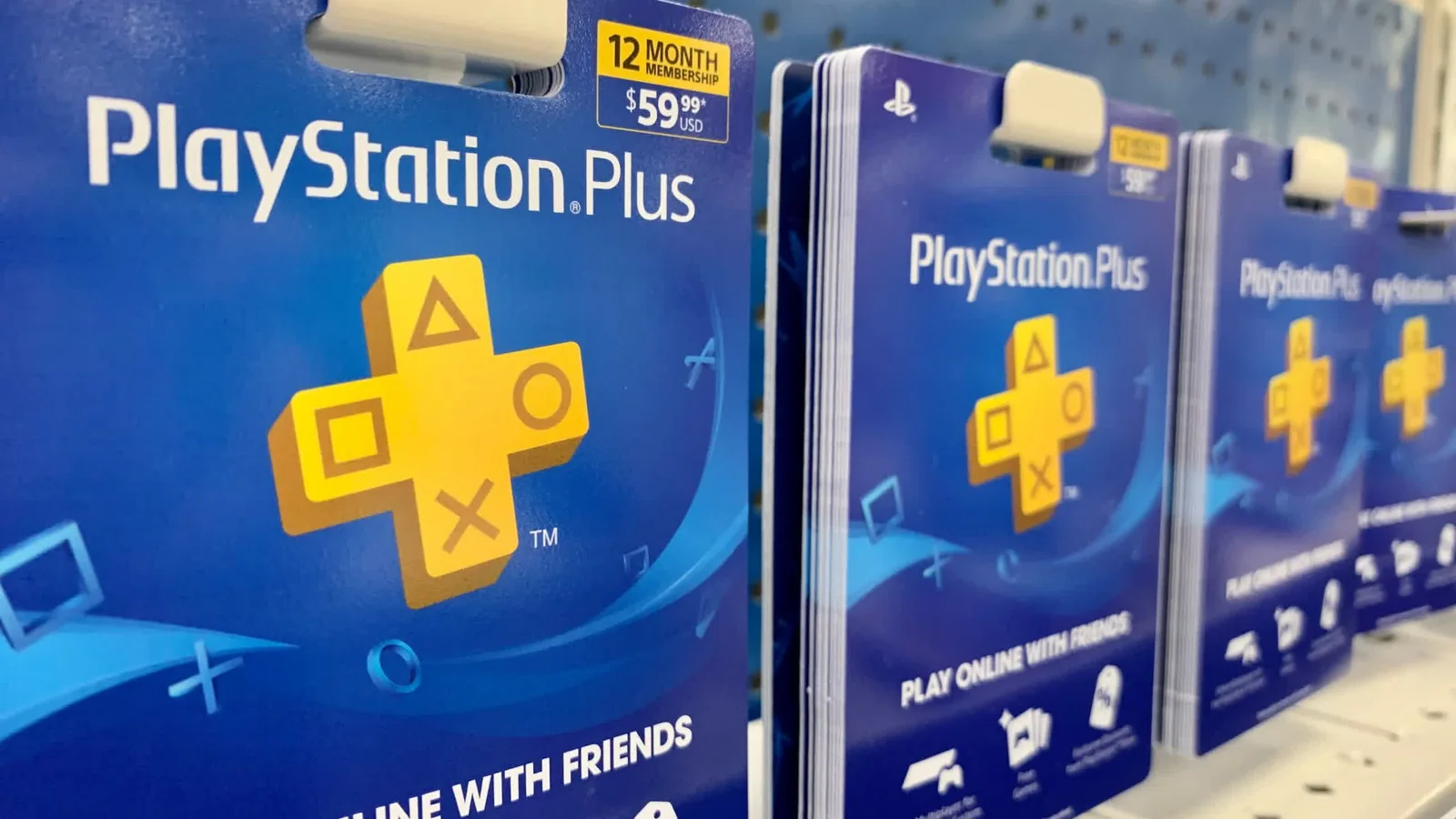
The claimants estimated that digital game prices could have been approximately 20% lower without the alleged restrictions.
One of the most significant elements of the tribunal’s decision was its assessment of physical games as an alternative to digital purchases.
Rather than treating the PlayStation Store as a separate market in which Sony controlled digital distribution, the tribunal concluded that competition should be assessed across the broader gaming platform ecosystem.
The judges found that physical PlayStation games provided an important alternative to digital purchases, potentially allowing consumers to avoid higher digital prices by purchasing disc-based copies instead.
The tribunal also considered competition between PlayStation, Xbox and other gaming platforms. Evidence suggested that consumers could respond to higher game prices by choosing competing consoles or purchasing games across multiple platforms.
Sony’s own research indicated that uncompetitive PlayStation game prices could damage its position against Xbox, supporting the tribunal’s conclusion that competitive pressure extended beyond individual digital storefronts.
As a result, the tribunal rejected the argument that Sony held a dominant position in the relevant market.
The judges also examined whether Sony’s restrictions unlawfully prevented competing digital storefronts from operating on PlayStation consoles.
They found that the claimants had not demonstrated that allowing third-party stores would produce the substantial price reductions proposed in their case. The tribunal also considered the technical changes required to accommodate alternative distributors, including potential implications for platform security and performance.
Even when considering the claimants’ narrower proposed market definition, the tribunal found insufficient evidence that Sony’s profit margins were excessive or unfair.
The judgment therefore rejected both the allegations of exclusionary conduct and the claims of excessive pricing.
The decision comes as physical and digital game distribution continues to evolve across the console industry. Publishers are increasingly reassessing physical releases, with some companies reducing physical Xbox game releases as digital sales grow.
For UK PlayStation owners, the immediate consequence is that the lawsuit will not produce the compensation originally sought on their behalf. The ruling also does not require Sony to change its PlayStation Store purchasing arrangements.
The tribunal has scheduled a further hearing during the week beginning December 14, 2026, to consider consequential matters, including legal costs and any applications for permission to appeal.
Until any successful appeal changes the outcome, Sony’s victory stands, with the tribunal concluding that the evidence did not establish an infringement of competition law.
