


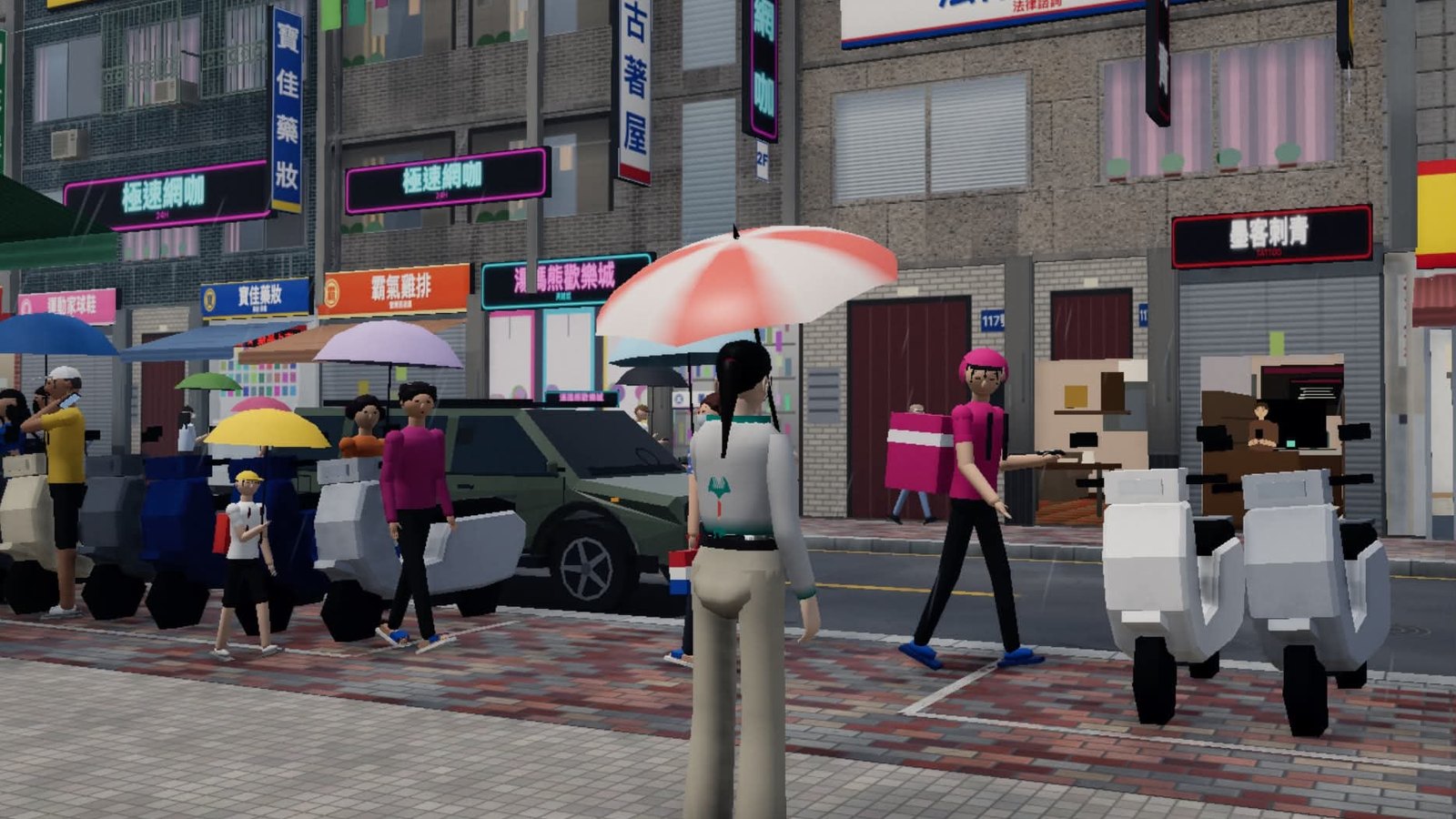
A free browser-based open-world game inspired by Grand Theft Auto has reportedly attracted 1.2 million concurrent players just days after launching, according to Taiwanese broadcaster TVBS. Called Taipei GTA, the unofficial project lets players explore a recreation of Taipei while driving vehicles, completing missions and attracting police attention through criminal activity. The developer also says more than $10,000 worth of AI tokens have been spent building the game.
TVBS interviewed the Taiwanese engineer behind the project and reported that Taipei GTA reached 1.2 million simultaneous players within three days, while unusually heavy demand overwhelmed the game’s servers on its first day. The figure comes from reporting based on the developer’s account rather than independently accessible player-tracking data, so it should be treated as a developer-supplied metric. Unlike Steam games, a browser title of this kind does not have a public service such as SteamDB that can independently confirm its concurrent-user peak.
The project was created by developer aicodewithme, who had already disclosed spending more than $10,000 in AI token costs while building it. In the TVBS interview, the developer said much of the technical workload was handled through hundreds of AI processes operating simultaneously, while they personally spent roughly five to six hours per day overseeing the work. The game was reportedly produced in around one month, providing an unusually concrete example of AI-assisted development being used to create and publicly deploy a functioning 3D game rather than simply generating isolated assets or prototypes.
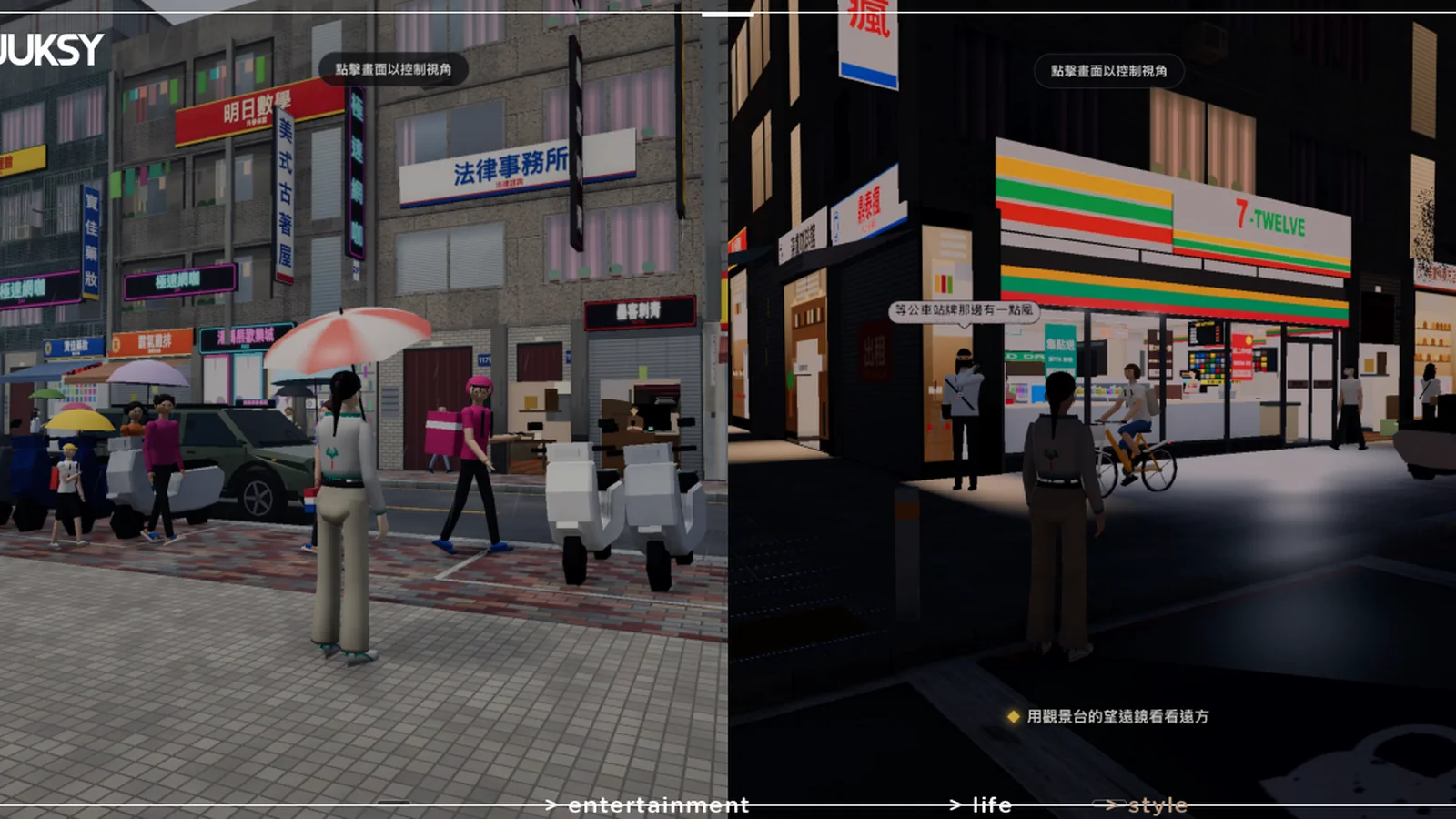
Taipei GTA runs directly through a web browser without requiring a conventional game download and can be played on both computers and mobile devices. Its open world recreates recognizable locations including Taipei 101, Ximending, Longshan Temple, Taipei Dome and Shilin Night Market, alongside more ordinary elements of Taiwanese city life. Players can walk through the environment, ride motorcycles, drive vehicles and buses, enter some buildings, interact with NPCs and work through dozens of missions.
The similarities to Grand Theft Auto extend beyond the project’s unofficial name. Players can steal vehicles, cause disturbances and be pursued by police, although early impressions suggest its systems are substantially simpler than Rockstar’s games. The project arrives as attention around the franchise remains especially high ahead of GTA VI, for which Rockstar has continued revealing new details about Leonida and its open world. Taipei GTA is not affiliated with Rockstar Games or Take-Two Interactive.
The reported audience would be especially notable if the 1.2 million simultaneous-player figure is accurate. For perspective, even successful conventional PC launches can post much smaller publicly verified peaks, with games such as Aniimo passing 100,000 concurrent Steam players and major playtests drawing hundreds of thousands of participants. Direct comparisons are difficult, however, because Taipei GTA’s number is developer-supplied and comes from a browser game that is free to access without a storefront account or installation.
Development also appears far from finished. The creator told TVBS that the currently available Taipei environment represents only around 1% of the intended map and said work would first expand the Taiwan portion before moving toward planned Hong Kong and Japan environments. No firm dates were given for those additions, although the developer indicated further updates could arrive relatively quickly.
Taipei GTA is therefore significant less as evidence that AI can already replace a traditional large-scale development team and more as a working example of how aggressively AI-assisted tools can compress the production cycle for smaller games. The project’s reported $10,000-plus token bill also shows that such workflows are not necessarily cheap, particularly when large numbers of model calls are involved. Its next test will be whether the project can sustain its reported audience while expanding beyond the novelty of exploring an AI-assisted virtual Taipei.
