



Xbox CEO Asha Sharma has provided more detail on Microsoft’s next-generation Project Helix hardware strategy, saying it will be a “family of devices” rather than a single system. Sharma told employees that Xbox will have a traditional console at the center of its Gen-10 plans, while also acknowledging that many players will want hardware suited to playing “on the go.” The comments strengthen expectations that Microsoft’s next generation will extend beyond one conventional living-room console, although Sharma did not explicitly announce an Xbox handheld.
The remarks came during an internal Xbox town hall, according to a transcript obtained and independently verified by Windows Central. Sharma said there is “not one device that fits all,” adding that Microsoft will “certainly have a great console first” while pursuing additional options for different types of players. She also said Microsoft expects to manufacture some devices itself while partnering with other companies where it makes more sense.
That distinction suggests Project Helix could include both first-party Xbox hardware and devices built with outside manufacturers. Microsoft has already experimented with that model through Windows gaming handhelds and its work with hardware partners, but Sharma’s comments place the strategy directly within the next Xbox generation. Exactly which products will form the Helix family, however, has not been announced.
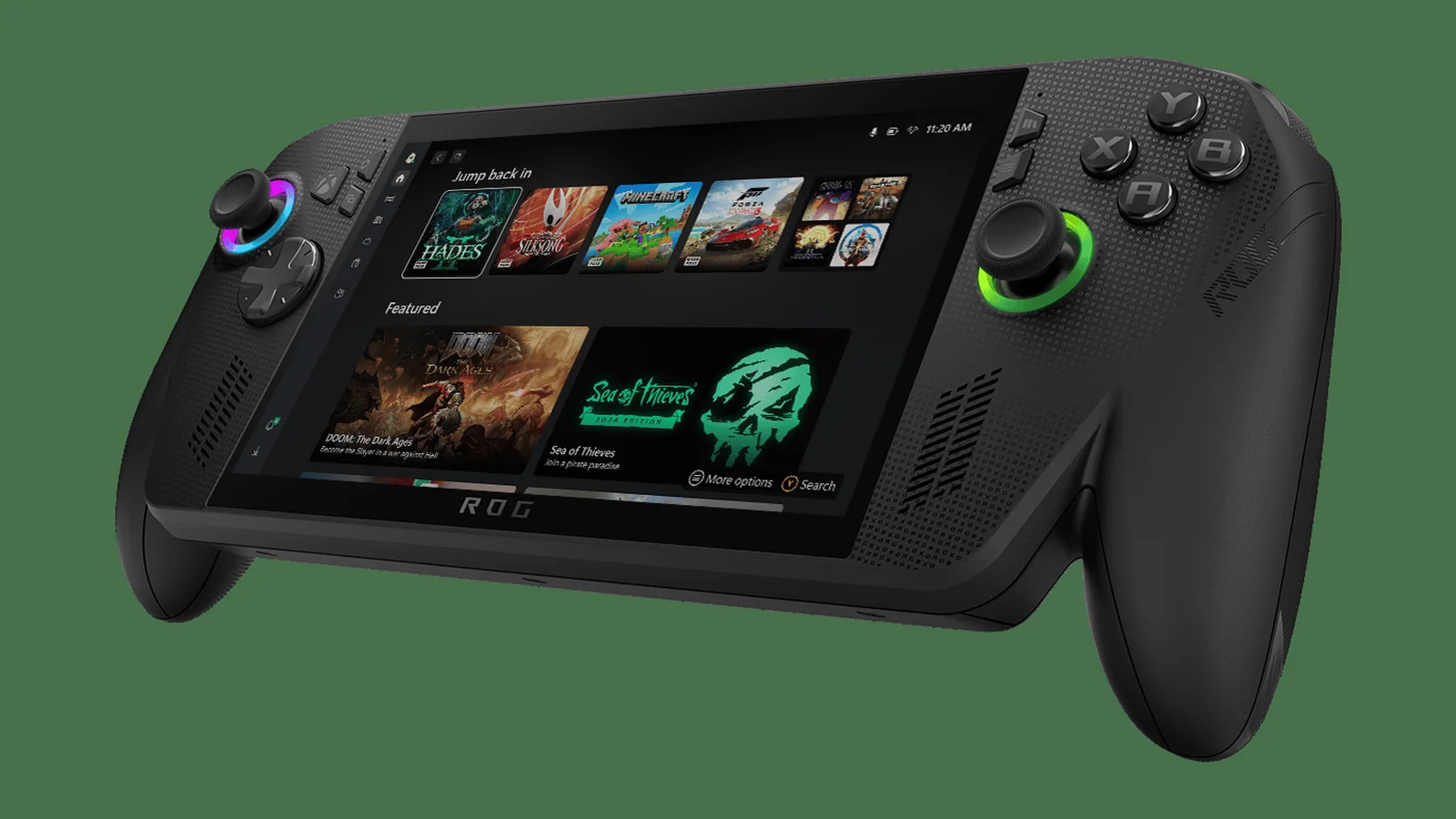
The reference to people playing on the go is the strongest part of the latest comments. It points toward some form of portable Xbox experience, but it should not yet be treated as confirmation of a dedicated first-party handheld. Sharma did not describe the form factor, specifications, operating system configuration or whether the portable option would be manufactured directly by Microsoft or by a partner.
Microsoft has previously confirmed that Project Helix is its next-generation Xbox platform and that the main console is designed to run both Xbox console games and PC games. Xbox detailed the system publicly at GDC 2026, where it confirmed that Helix uses a custom AMD SoC and is being developed around the next generation of DirectX and AMD’s FSR technology. Microsoft also said development hardware is planned to begin reaching developers in alpha form during 2027.
The company has been increasingly blurring the boundaries between Xbox consoles and Windows PCs. Xbox Mode has been expanding across Windows 11 devices, offering a controller-focused interface intended to make Windows gaming hardware feel more console-like. Project Helix appears to take that strategy further by combining Xbox compatibility, PC game support and a broader hardware ecosystem under one generation.
Sharma also gave a brief update on the software side of the project, saying the new operating system is “starting to look really good” and that Xbox is excited about its progress. Microsoft has not publicly demonstrated the Helix interface or explained how closely it will resemble the current Xbox dashboard, Windows 11 or Xbox Mode. Given the company’s stated intention to support both console and PC games, the operating system will be a significant part of how Microsoft balances console simplicity with PC flexibility.
The latest comments build on Sharma’s August description of Helix as a “great family of devices.” At that time, Microsoft did not clarify whether she was referring to multiple console models, handheld hardware or licensed third-party products. The town hall comments now narrow that interpretation by explicitly separating the main console from hardware intended for people who play while away from a television.
Microsoft’s next-generation strategy therefore appears broader than the Series X and Series S approach, which offered two versions of essentially the same console platform. Helix is instead being positioned as an ecosystem spanning different device types while maintaining a shared Xbox experience. The company’s partnerships, Windows integration and AMD hardware roadmap all support that direction, even though the final product lineup remains undisclosed.
Microsoft has not announced pricing, specifications or a launch date for the Project Helix family. It has also not formally named or revealed a handheld device. For now, the confirmed direction is that Xbox plans to lead its next generation with a conventional console while expanding Helix into additional devices, including hardware intended to serve players who want to game on the go.
