


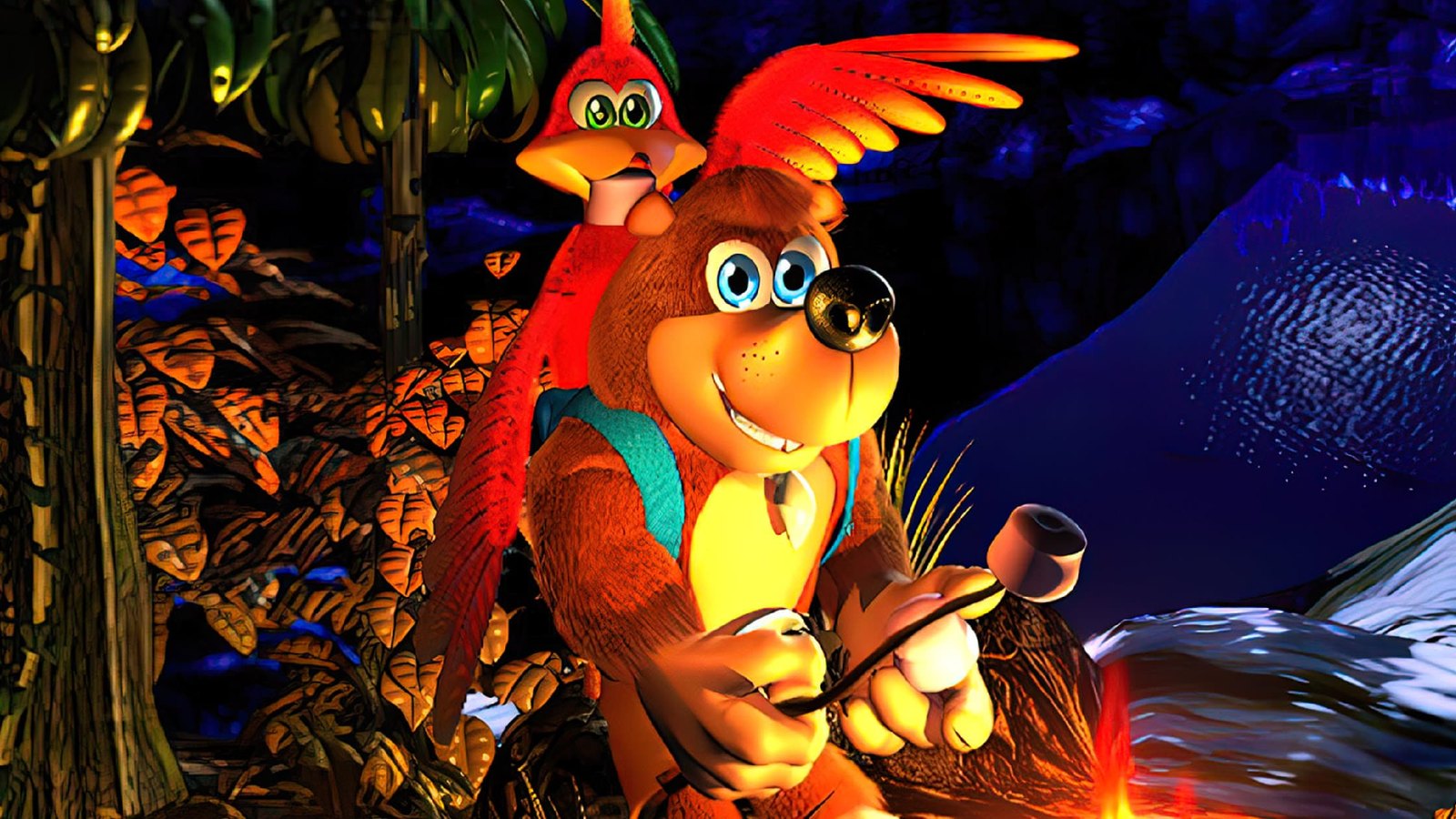
A purported playable prototype of Rare’s canceled SNES game Project Dream has surfaced online more than 30 years after development began. The build was uploaded to the Internet Archive on September 9 by an anonymous user who describes it as a proof-of-concept alpha of the project that eventually evolved into Banjo-Kazooie. Rare and Xbox have not authenticated the files, so the build’s provenance remains unconfirmed despite several details lining up with previously documented material.
The upload contains a raw .bin dump alongside an .sfc version intended to run in Super Nintendo emulators. People examining the build have reported that it includes multiple unfinished scenes, basic movement and combat, along with artwork and music from the project’s early development phase. Footage has also circulated showing the alleged prototype running on original hardware, providing another way to compare it with material Rare has previously shown publicly.
One of the strongest pieces of supporting evidence comes from The Cutting Room Floor, which has documented Project Dream for years. The preservation site said much of the material it had already catalogued from known footage appears to be present in the newly released ROM. That does not establish where the file came from or prove that it is an untouched internal Rare build, but it gives the leak more substance than an unsupported claim attached to an unknown executable.
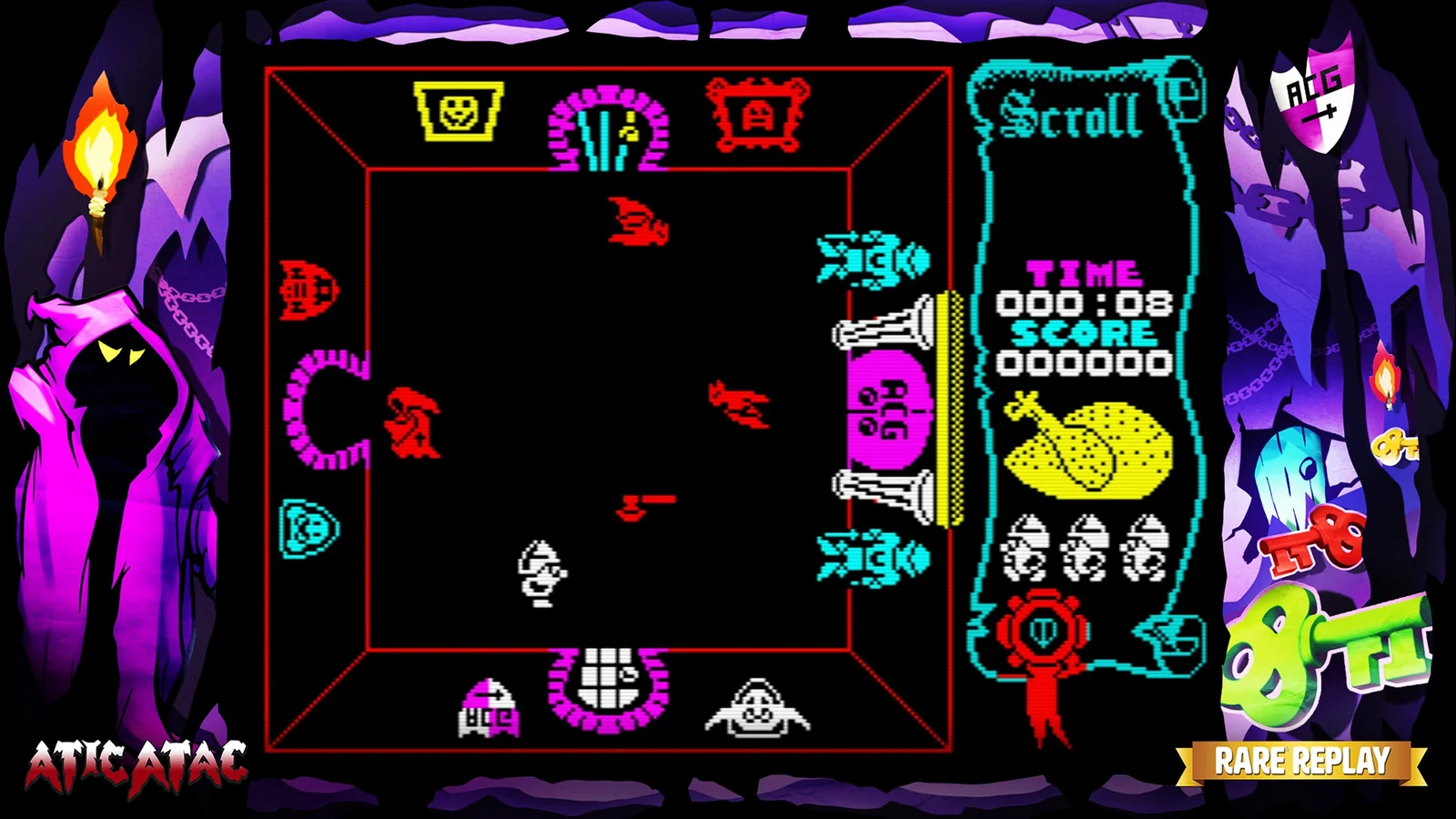
The anonymous uploader says they had possessed the build for years but avoided releasing it because they were several people removed from whoever originally obtained it from Rare. They declined to explain the chain of custody in detail, saying they did not want to create problems for anyone potentially connected to the original leak. Their accompanying statement frames the release primarily as a preservation effort, arguing that previously inaccessible game history should be made available for researchers and preservationists to examine.
Project Dream occupies an important place in Rare’s history because it eventually led to Banjo-Kazooie, despite beginning as a very different game. Development started in the mid-1990s as an adventure project for the Super Nintendo, with an isometric presentation and a human protagonist named Edson. Rare later moved the project to Nintendo 64 as its ambitions expanded beyond what the SNES version could comfortably support.
The game’s direction continued to change after the platform transition. Banjo was initially introduced as a replacement protagonist before the RPG-style concept was ultimately abandoned in favor of a 3D platformer, a genre Rare’s development team felt better suited its strengths. Banjo was later joined by Kazooie, and those changes eventually formed the basis of Banjo-Kazooie, which launched for Nintendo 64 in 1998.
Rare itself has discussed Dream’s role in that process before. The studio has referenced the project’s early life in retrospective material produced around Rare Replay, while former Rare developers have openly described Banjo’s origins in the canceled game. Character creator Steve Mayles has also discussed how Banjo originally appeared in the SNES-era Project Dream before his proportions and design were changed for the platformer that followed.
Because portions of Project Dream had already been shown through archival footage and retrospective content, the existence of the game has never been in question. What makes the new upload significant is the possibility that people can now directly inspect and run an early SNES build rather than relying solely on videos and developer recollections. That makes it potentially valuable to preservationists studying Rare’s development methods and the transition from Dream into one of the studio’s best-known franchises.
The prototype remains unofficial, however, and neither Rare nor Microsoft has publicly verified that the uploaded ROM is authentic. It is therefore more accurate to treat it as an alleged Project Dream build rather than a confirmed internal release. Even with that caveat, the overlap with previously known footage and the fact that the files can apparently be examined and run make this a substantially more concrete preservation discovery than a typical retro-gaming rumor.
