


Intel is reportedly developing a new low-power processor family called Moon Lake, featuring up to four Darkmont efficiency cores, no performance cores and a default thermal design power (TDP) of just 6W. The chip is expected to use Intel’s 18A manufacturing process and could serve as a successor to the company’s entry-level N-series processors.
The specifications emerged on October 29, 2026, through hardware insider Jaykihn, who shared details of Moon Lake and an accompanying Wildcat Lake Refresh. Neither processor family’s reported specifications have been officially confirmed by Intel.
Moon Lake’s most distinctive feature is its CPU configuration. Rather than combining high-performance and efficiency cores, the processor reportedly relies entirely on up to four low-power efficiency (LP-E) cores based on Intel’s Darkmont architecture.
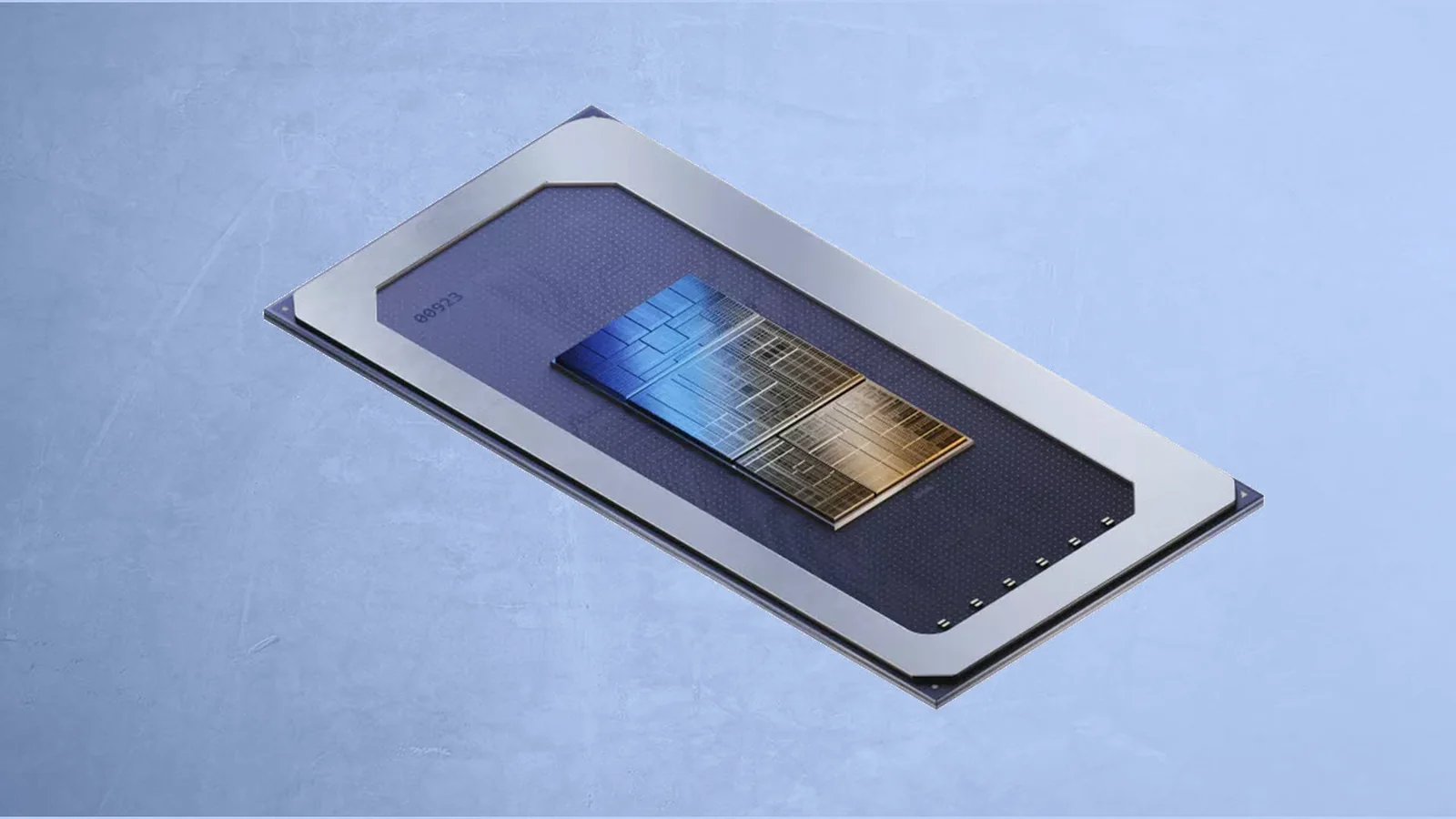
The design eliminates conventional performance cores, distinguishing Moon Lake from Intel’s existing Wildcat Lake processors. Its reported 6W default TDP also places it below the typical power requirements of mainstream laptop CPUs.
According to the leak, Moon Lake uses a disaggregated architecture similar to Wildcat Lake, with its compute die manufactured using Intel 18A technology. The processor reportedly shares Wildcat Lake’s BGA1516 package, although a common package does not necessarily establish compatibility between finished devices.
These specifications suggest Intel is developing Moon Lake for systems where low power consumption takes priority over peak CPU performance. Possible applications include inexpensive laptops, compact PCs and embedded systems, although Intel has not confirmed specific products or manufacturers.
The architecture also makes Moon Lake a potential successor to Alder Lake-N and other Intel N-series processors, which have traditionally served budget computers and low-power devices.
However, important specifications remain unknown, including integrated GPU configuration, clock speeds, cache capacity and memory support. There are also no verified performance benchmarks establishing how Moon Lake compares with existing N-series chips.
The leak additionally describes a Wildcat Lake Refresh that would increase the maximum performance-core count from two to four while retaining four Darkmont low-power efficiency cores.
Wildcat Lake Refresh is reportedly expected to retain Cougar Cove performance cores, Intel 18A compute technology and integrated graphics configurations featuring up to two Xe3 GPU cores. Its configurable TDP ceiling could reach 35W, with Intel vPro support also reportedly planned.
That would create two distinct configurations within Intel’s lower-power processor offerings. Moon Lake would prioritize minimal CPU power requirements with its four-core, efficiency-only design, while Wildcat Lake Refresh would provide additional performance cores for systems requiring more processing capability.
The reported segmentation contrasts with Intel’s higher-performance mobile processor plans, including the upcoming Nova Lake-HX laptop processor family, which targets a different class of hardware.
For PC enthusiasts, the most significant question is how effectively Moon Lake can balance everyday computing performance with its reported 6W power target. Its efficiency-focused architecture could make it relevant to compact and low-power systems, but there is currently no evidence establishing its gaming capabilities or battery-life advantages.
Intel has not announced official launch dates, pricing, retail model names or complete specifications for Moon Lake and Wildcat Lake Refresh. Both remain unannounced products, and their final configurations could differ from the leaked information.
