


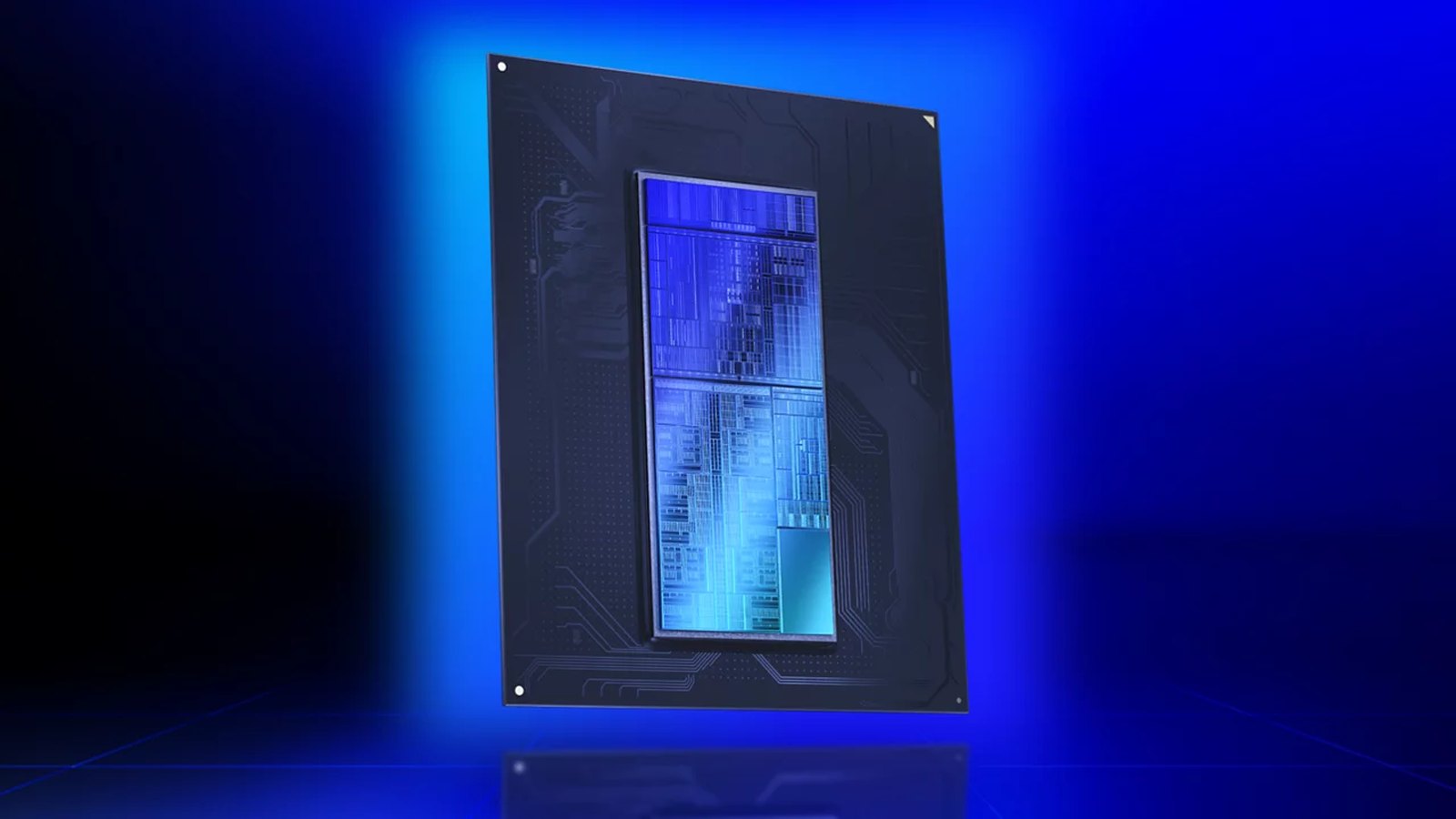
Intel’s upcoming Nova Lake-HX laptop processors will reportedly adopt the same four-digit Core Ultra 4000 naming scheme now associated with the company’s next desktop CPUs. Hardware leaker Jaykihn says the HX family will use four-number model names, while more mainstream Nova Lake mobile processors will continue using the three-digit format found in recent Core Ultra generations. Intel has not officially confirmed any Nova Lake model names, so the branding should still be treated as unannounced information.
Jaykihn’s clarification effectively splits Intel’s next mobile generation into two naming groups. Nova Lake-S desktop processors and Nova Lake-HX high-performance laptop chips are expected to fall under the four-digit Core Ultra 4000 family, while other mobile products continue with three-digit Core Ultra 400-series names. That would leave Intel using two different numbering formats within the same processor generation depending on the platform and power class.
The latest claim follows a broader leak concerning Intel’s Nova Lake-S desktop lineup. Several purported desktop models surfaced with names including the Core Ultra 9 4970K BFC, Core Ultra 9 4950K and Core Ultra 7 4870K BFC, representing a noticeable change from current products such as the Core Ultra 9 285K. The leaked lineup also includes Core Ultra 5 and Core Ultra 7 parts, suggesting the four-digit system would extend well beyond a single flagship model.
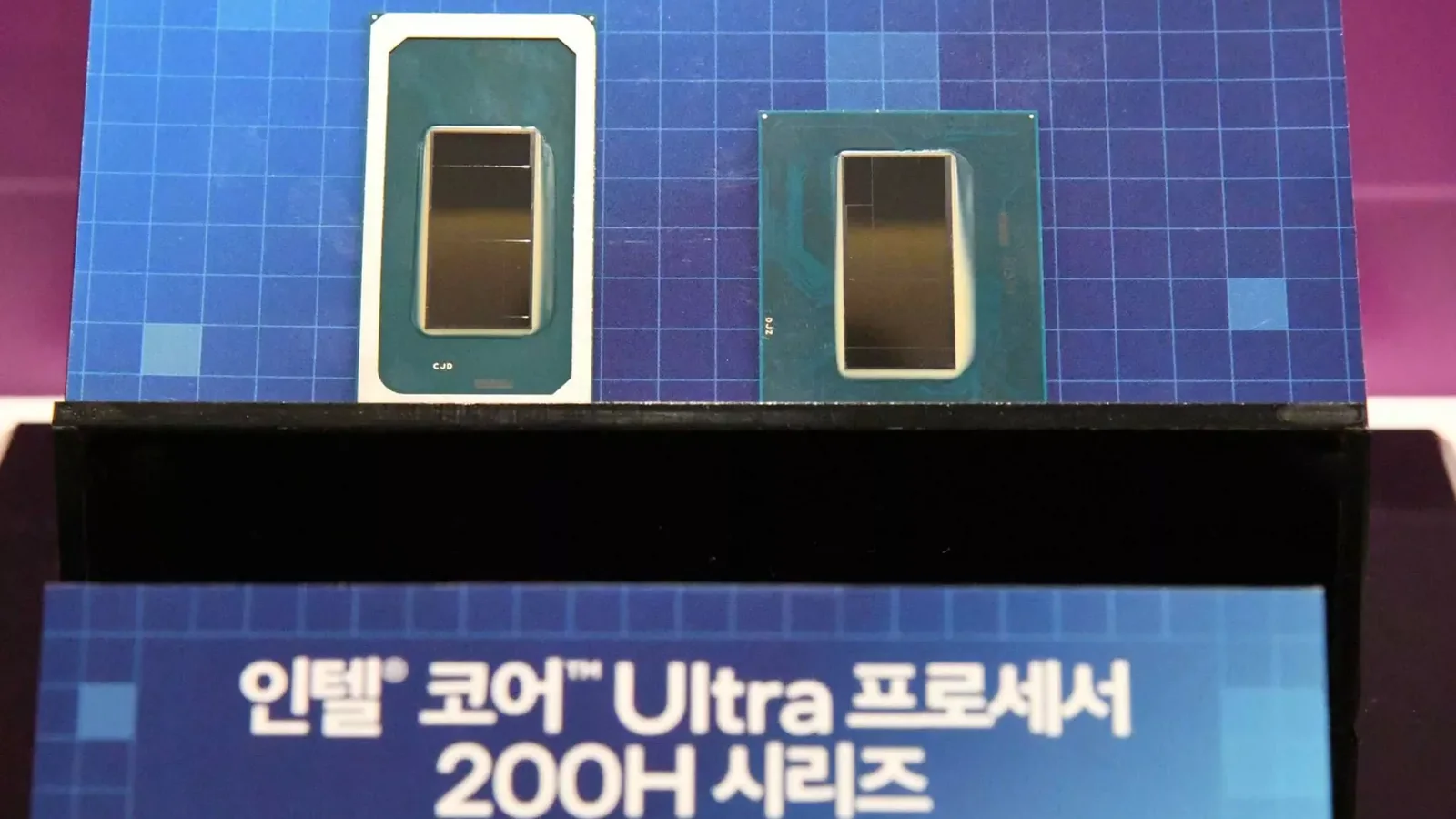
Those desktop leaks also introduced the BFC suffix on several processors. The designation is believed to be associated with Intel’s rumored big last-level cache, or bLLC, configuration, which is expected to target gaming performance through substantially increased cache capacity. Reported specifications for the Core Ultra 9 4970K BFC include eight performance cores, 16 efficiency cores and four low-power efficiency cores, although Intel has not confirmed those specifications or the meaning of the suffix.
HX processors are particularly relevant to gaming laptops because Intel has traditionally positioned that family as its highest-performance mobile CPU tier. These parts typically share more characteristics with desktop silicon than lower-power notebook processors, including higher core counts, larger power budgets and more aggressive performance targets. Using the same four-digit naming structure for Nova Lake-S and Nova Lake-HX would therefore align the two product groups more closely from a branding perspective.
The reported split could nevertheless make Intel’s laptop naming more complicated for buyers. A Nova Lake-HX processor could carry a four-digit designation while a different Nova Lake notebook chip from the same generation uses only three digits, making the product name itself less useful for immediately identifying generation. Intel has changed its processor branding several times in recent years, including dropping the long-running “i” designation from its mainstream Core family and moving to Core Ultra branding for newer architectures.
Evidence that Nova Lake hardware is progressing through development has continued to surface separately from the naming leaks. HWiNFO recently added improved support for Nova Lake qualification samples, indicating that later-stage silicon is circulating among platform developers and validation partners. Nova Lake platforms have also appeared in industry certification databases, including USB and PCI Express compliance work associated with upcoming desktop and mobile hardware.
Intel itself has publicly confirmed Nova Lake as a next-generation client platform, but it has not announced retail model numbers or the rumored Core Ultra 4000 structure. Company executives previously said Nova Lake was planned for the end of 2026, while separate leaks have suggested some desktop products could reach consumers in early 2027. The exact rollout timing may therefore vary between initial platform availability, individual desktop models and mobile systems.
Until Intel formally announces the family, the reported four-digit split remains a leak rather than finalized branding. Still, the same naming structure has now appeared across multiple independent Nova Lake leaks, including desktop engineering samples and reported HX plans. If accurate, buyers shopping for high-end gaming laptops could see Core Ultra 4000HX processors alongside three-digit Nova Lake mobile chips when Intel’s next generation reaches the market.
