


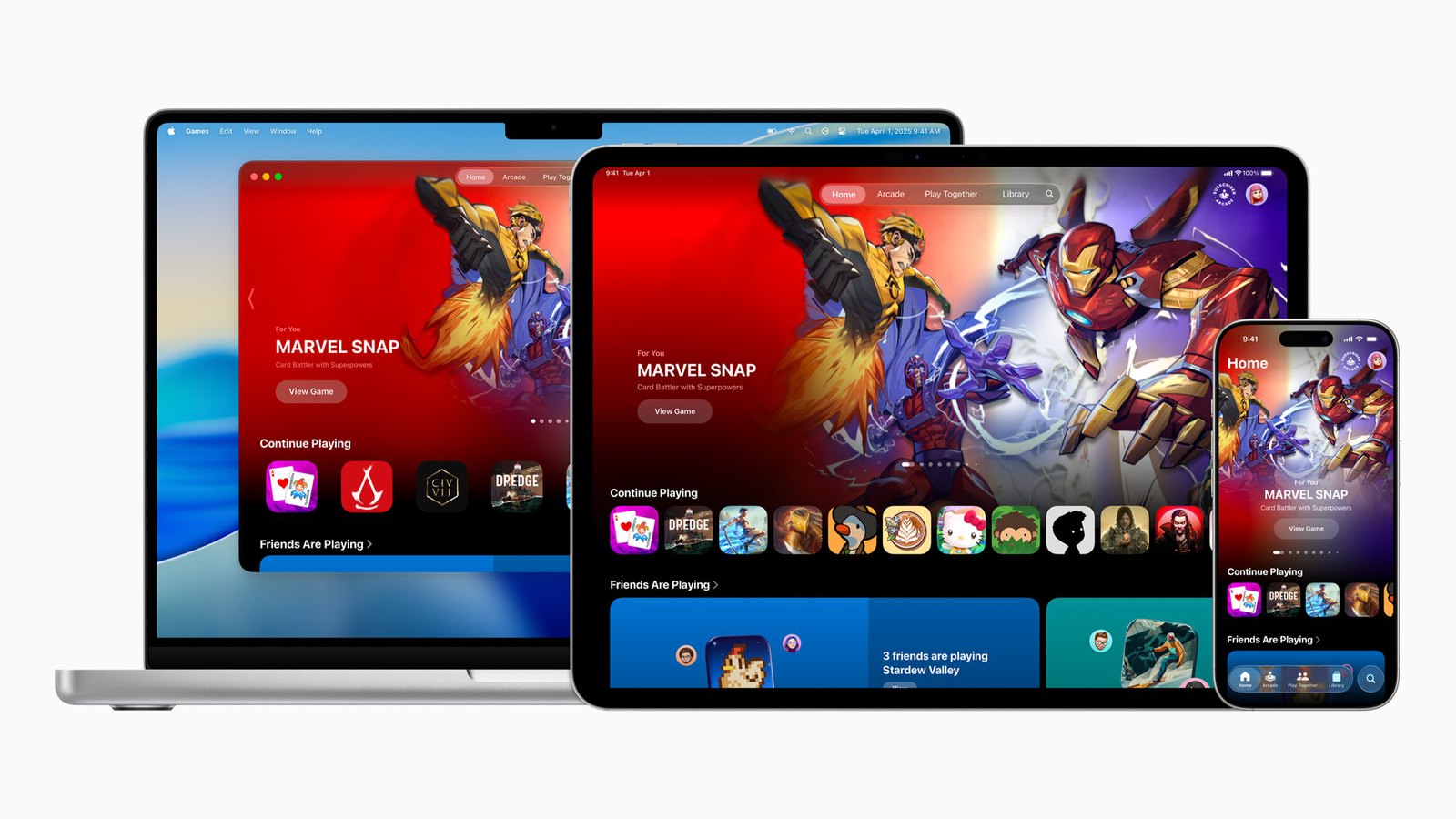
Apple is reportedly developing its own game controllers for the iPhone, potentially giving the company its first first-party hardware designed specifically for traditional gaming input. Bloomberg’s Mark Gurman has corroborated earlier references discovered in macOS 26.7 code that pointed to two unreleased controller devices associated with Apple hardware. One of the controllers could eventually launch under the Beats brand, although Apple has not officially announced either product.
The two devices appeared in macOS under the identifiers T6502 and T1057. Both reportedly include the basic hardware expected from a modern gamepad, including a directional pad, dual thumbsticks, shoulder buttons, analog triggers and system controls. The code also contains dedicated hardware support rather than only generic controller profiles, strengthening the possibility that Apple has been testing physical devices rather than simply preparing software support for an outside accessory.
The more unusual details concern haptics and motion controls. T6502 appears to use separate left and right haptic channels, while T1057 exposes a different single-actuator system capable of supporting multiple haptic effects. T1057 also includes accelerometer and gyroscope data, potentially enabling motion-controlled gameplay, whereas the other controller does not appear to offer the same motion functionality.
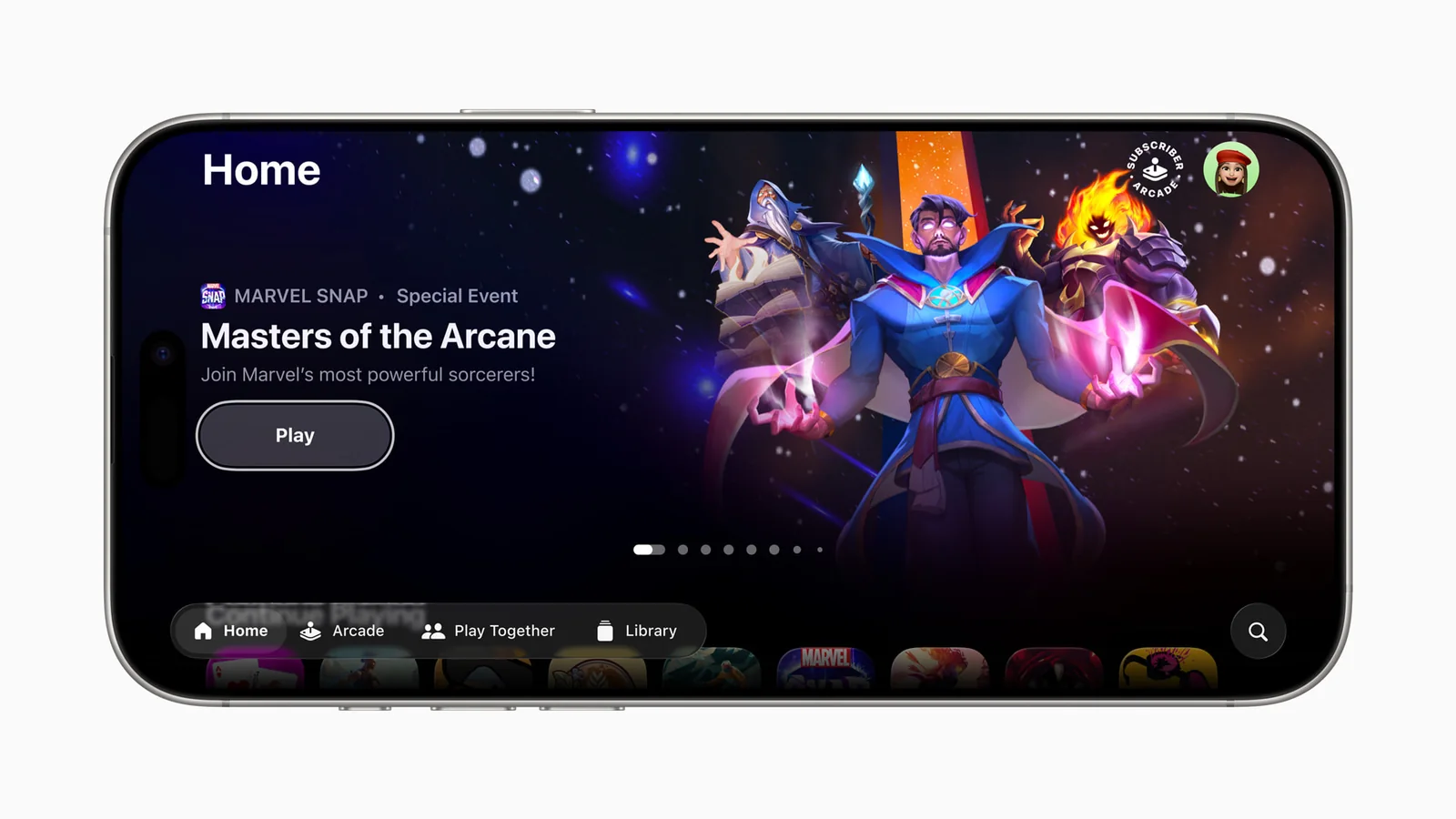
References discovered by the original code researcher also linked the controllers to Apple hardware identifiers, with T1057 showing compatibility with a Beats USB vendor identifier in addition to Apple connectivity. Gurman’s reporting now adds weight to the possibility that the product could ultimately be sold under Beats rather than carrying Apple branding directly. The project is reportedly being handled with involvement from Beats executives, although the eventual branding, design and launch plans remain subject to change.
Apple already supports a large range of third-party controllers across iPhone, iPad, Mac and Apple TV. Xbox Wireless Controllers, PlayStation controllers and various MFi-certified accessories can connect directly to Apple devices, while products such as the Backbone One turn an iPhone into a handheld-style gaming system. A first-party Apple or Beats controller would therefore enter an established market rather than filling an entirely unsupported category.
The move would still represent a significant expansion of Apple’s gaming hardware ambitions. The company has increasingly pushed console and PC-scale releases across its devices, while Apple Arcade remains part of its broader services ecosystem. Recent hardware launches, including the foldable iPhone Duo, also underline Apple’s willingness to expand the iPhone into new form factors and use cases beyond the traditional smartphone design.
One unresolved question is what form the controllers would actually take. The software references reveal button layouts, sensors and haptic capabilities, but they do not establish whether Apple is working on a conventional standalone gamepad or an accessory designed to attach directly to an iPhone. Both approaches would make sense within Apple’s ecosystem, particularly as mobile games increasingly offer controller support and larger premium releases continue appearing on iOS.
The leaked controller profiles were present in the first release candidate of macOS 26.7 before being removed from a later build. That does not necessarily indicate cancellation, since Apple routinely removes references to unreleased hardware once they become publicly visible. It does mean there is still no guarantee that either prototype will become a commercial product.
Apple has experimented with gaming accessories before without releasing its own mainstream controller, instead relying heavily on third-party hardware. The current evidence is substantially more specific because it includes model identifiers, dedicated software support, haptic implementations and hardware vendor information. Combined with Bloomberg’s reporting, that makes the possibility of an Apple-designed controller considerably more concrete than earlier speculation.
For now, neither pricing nor a release window has been disclosed, and Apple has made no public commitment to launching the devices. If the project does reach consumers, a Beats-branded controller could give Apple greater control over the gaming experience across iPhone, iPad, Mac and Apple TV while providing a first-party alternative to the Xbox, PlayStation and mobile-focused controllers already used across its platforms.
