


Microsoft’s Xbox Nano controller reportedly supports direct Wi-Fi connectivity to Xbox Cloud Gaming, potentially reducing input latency by allowing the controller to communicate directly with Microsoft’s cloud servers. The previously unannounced capability has emerged alongside the controller’s November 4, 2026 retail launch, although Microsoft has not confirmed when the feature will become publicly available.
The Verge’s Tom Warren revealed the functionality in an exclusive report published on November 3. Warren reports that Microsoft is privately testing direct-to-cloud connectivity through its new Xbox Cloud Gaming website, with the Xbox mobile app expected to handle controller pairing.
Unlike a conventional Bluetooth cloud gaming setup, where controller inputs pass through a connected phone, computer or television before reaching the streaming service, the reported Wi-Fi functionality would allow the Xbox Nano to communicate directly with Microsoft’s servers. This could reduce input delay by removing an intermediate step in the connection.
The approach resembles the technology previously used by Google’s Stadia controllers, which could send inputs directly to cloud gaming servers over Wi-Fi. However, no independently verified latency measurements have established how much responsiveness the Xbox Nano’s implementation might improve.
Warren expects Microsoft to introduce the feature initially as a preview before expanding support across Xbox Cloud Gaming on web browsers and smart TVs. That rollout remains an expectation rather than an officially announced schedule.
Microsoft’s October 14 announcement of the Xbox Nano confirmed Xbox Wireless and Bluetooth connectivity but did not mention direct Wi-Fi cloud gaming support. The company has also not publicly detailed the feature’s compatibility requirements, supported devices or regional availability.
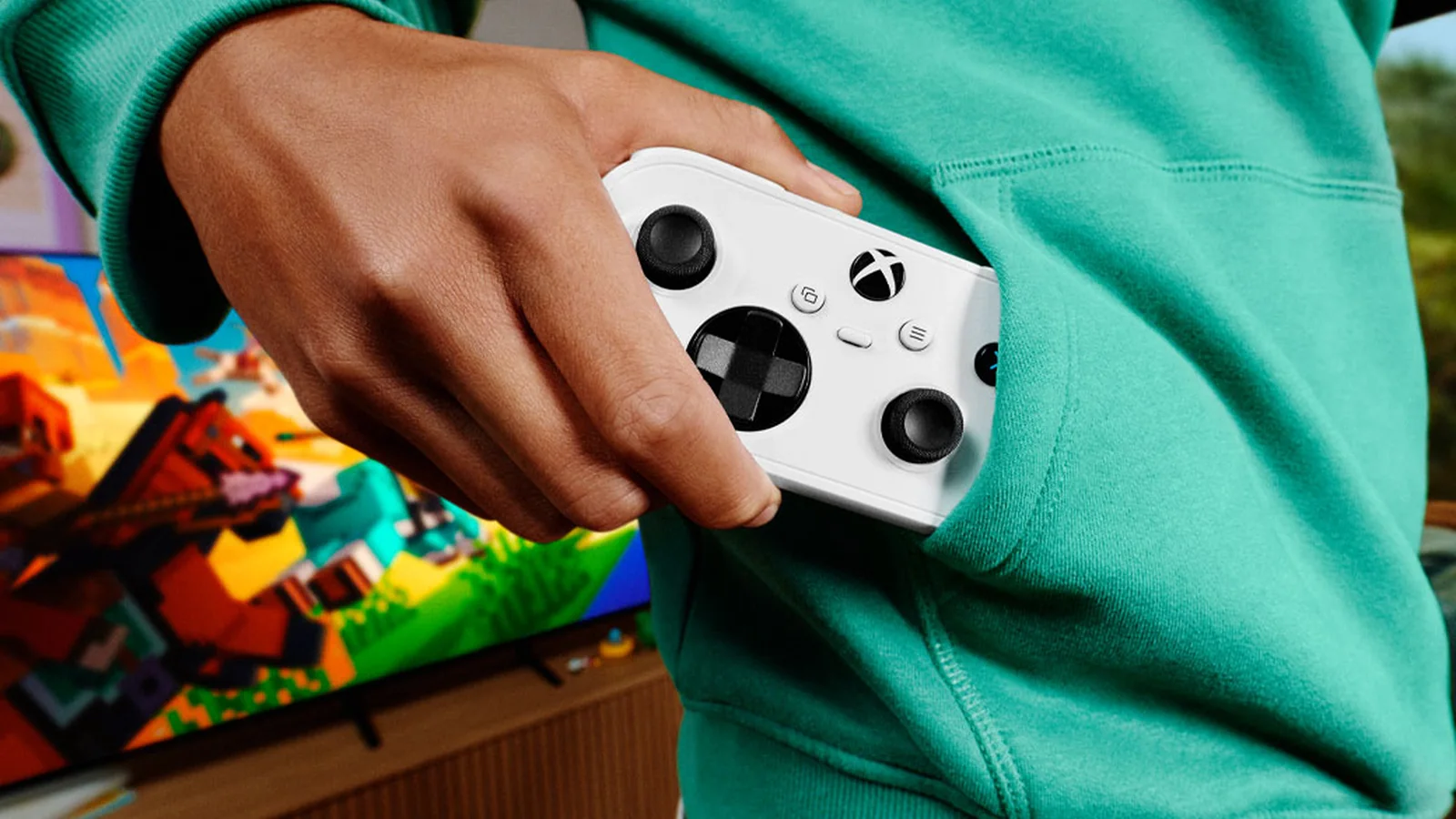
The Xbox Nano itself launches on November 4 for $49.99 in the United States and £44.99 in the United Kingdom. Designed primarily for younger players, people with smaller hands and portable gaming, the compact controller measures just over five inches across and weighs approximately 101 grams.
Despite its smaller design, the Nano retains the standard Xbox controller inputs. It includes a rechargeable battery, USB-C charging and a programmable Action Button for functions such as screenshots and gameplay capture. However, the controller lacks vibration support.
Early hands-on impressions have generally highlighted its portability and comfortable grips. The Verge found the smaller controller surprisingly comfortable during extended use, while CNET considered it particularly suitable for travel and players with smaller hands, although less appealing as a replacement for a full-size controller.
The reported Wi-Fi functionality could become particularly relevant as Microsoft expands access to its game-streaming services. The company is already experimenting with pay-as-you-go Xbox Cloud Gaming plans, potentially giving players additional ways to access cloud games without a traditional Game Pass subscription.
Microsoft is also expanding cloud gaming through partnerships with hardware and telecommunications providers, including Xbox Game Pass integration with T-Mobile plans in the United States.
Direct-to-cloud connectivity has been part of Microsoft’s controller plans for several years. An earlier controller concept, codenamed Sebile, was intended to introduce similar functionality alongside a planned Xbox Series X hardware refresh in 2024. That console refresh was subsequently canceled.
Warren also expects Microsoft’s upcoming Xbox Elite 3 controller to support direct cloud connectivity, although Microsoft has not confirmed that capability or announced a release schedule for the device.
For now, the Xbox Nano’s November 4 retail release and its reported Wi-Fi functionality remain separate developments. Buyers can use the controller’s officially announced Xbox Wireless and Bluetooth connections, but direct Xbox Cloud Gaming connectivity is still reportedly undergoing private testing, with no confirmed public activation date.
