


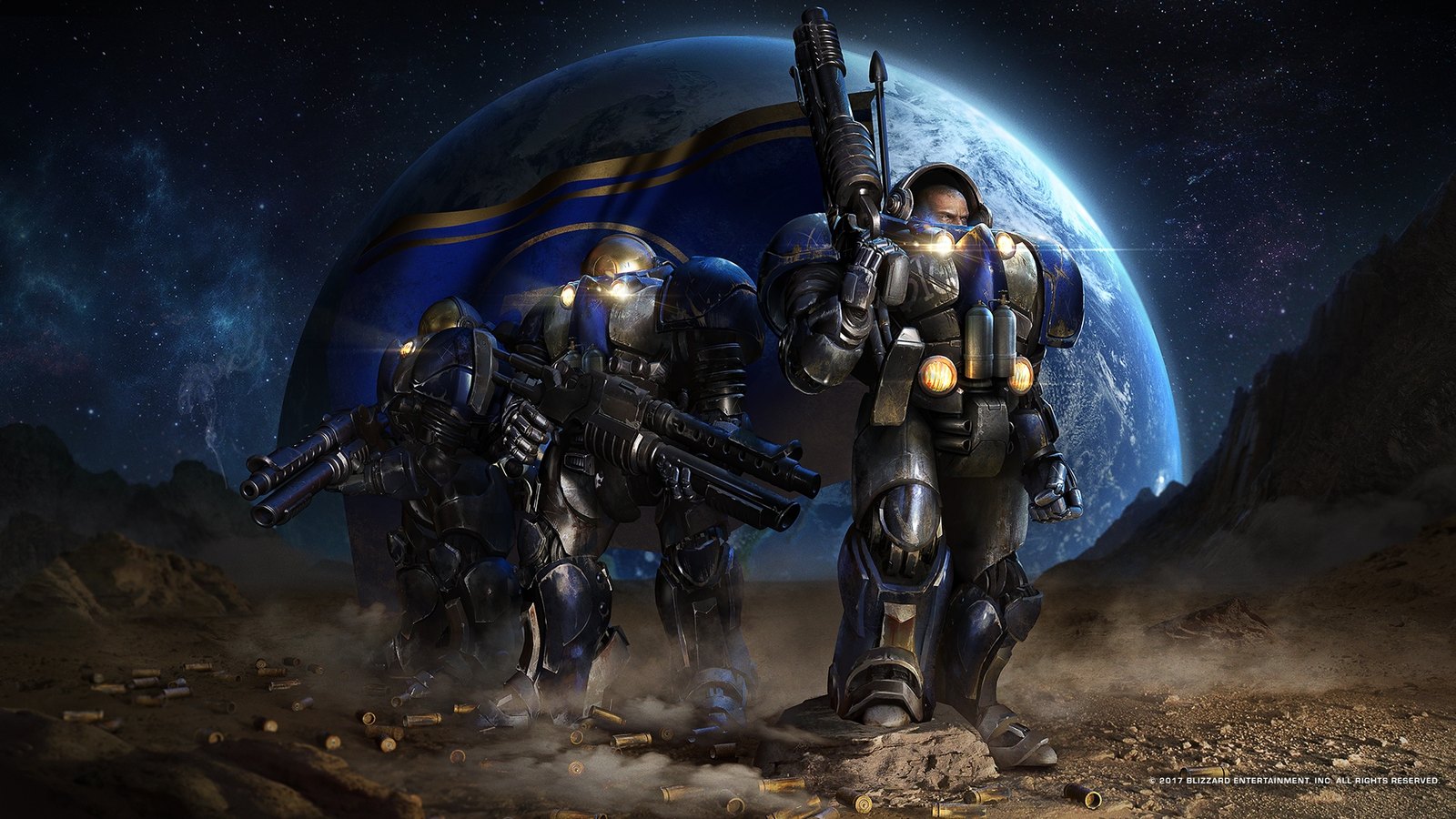
Blizzard’s newly announced StarCraft open-world shooter may include multiplayer or ongoing live-game elements alongside its story-driven campaign, according to requirements appearing in the company’s recruitment material. A Blizzard listing for a Gameplay NPC Software Engineer specifically sought experience with networked simulation or multiplayer gameplay systems, as well as experience supporting live game development. Those requirements do not confirm a live-service model, but they provide the clearest official indication yet that the project’s technical scope could extend beyond a conventional single-player campaign.
The position was attached directly to StarCraft and described Blizzard as building the next chapter of the franchise as an original story-driven, open-world shooter. Blizzard also wanted candidates with Unreal Engine experience and backgrounds working on RPGs, action RPGs or social gameplay experiences. The listing has since been marked as filled on Blizzard’s careers site, but its requirements offer additional context about the systems the development team is preparing to build.
Those details are particularly notable because Blizzard’s formal announcement concentrated primarily on the project’s world and narrative direction. The new StarCraft open-world shooter was unveiled at BlizzCon 2026 and is being led by former Far Cry executive Dan Hay, with Blizzard targeting a 2030 release. Its announcement cinematic did not include gameplay, leaving combat structure, cooperative features and multiplayer largely unexplained.
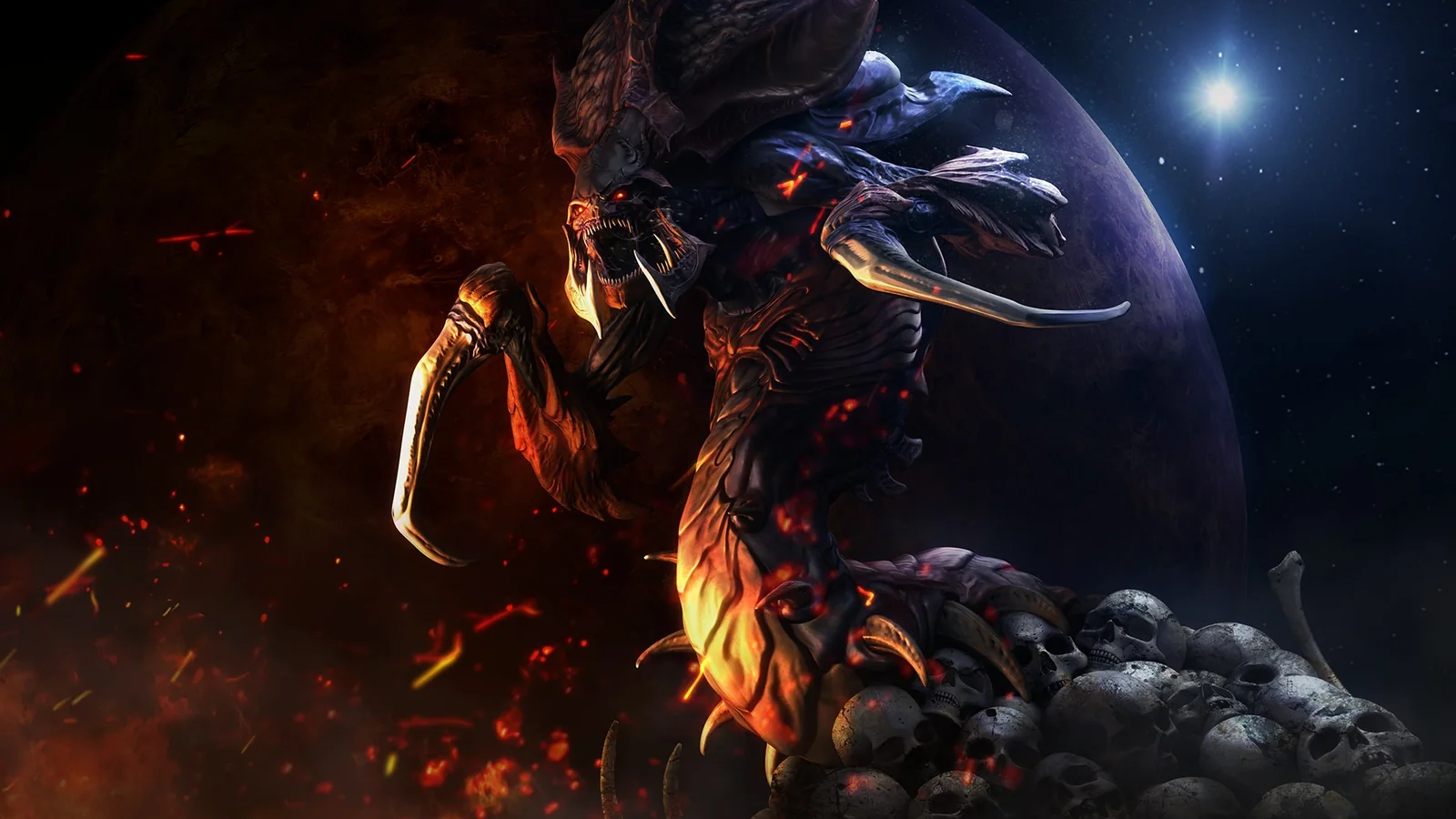
Before the reveal, reporting had already suggested that the project would contain a substantial narrative component. The StarCraft shooter’s story-driven campaign was reported before BlizzCon, a detail that aligns with Blizzard’s own description of the project following its official announcement. The newer recruitment language suggests that a major campaign and multiplayer-related systems would not necessarily be mutually exclusive.
Experience with networked simulation can be relevant to several types of games, including cooperative multiplayer, competitive modes, shared-world systems or simply internal networking technology. Likewise, asking for experience supporting a live game does not automatically mean Blizzard intends to structure StarCraft around seasons, battle passes or recurring monetized content. Studios frequently value live-development experience because those developers are accustomed to maintaining complex systems after launch, deploying updates and working on games that evolve over time.
However, the requirements become more notable when considered together. Blizzard is seeking developers familiar with multiplayer systems, social gameplay and live-game support while building an open-world shooter in Unreal Engine. That combination leaves open several possibilities, ranging from optional cooperative play to a persistent multiplayer component running alongside the campaign.
StarCraft itself also has a long history as a multiplayer-focused franchise, even though its previous games combined competitive play with major single-player campaigns. Translating that identity into a shooter gives Blizzard considerable room to retain both sides of the series. An open world could support a focused solo narrative while also accommodating cooperative activities or separate networked modes without turning the entire project into a traditional live-service game.
The recruitment activity also indicates Blizzard is still assembling a substantial team years ahead of release. Multiple disciplines are being hired around the project, which is unsurprising given the planned 2030 timeframe and the scale implied by an open-world StarCraft game. Job listings at this stage can reflect systems that are still experimental, and features mentioned in hiring requirements may change considerably before launch.
For now, Blizzard has only officially committed to describing StarCraft as a story-driven open-world shooter. The multiplayer and live-game language in its job listings should therefore be treated as evidence of development priorities rather than confirmation of a specific mode or business model. Even so, it provides an early indication that Blizzard may be designing the new StarCraft to support more than a purely offline single-player experience.
