


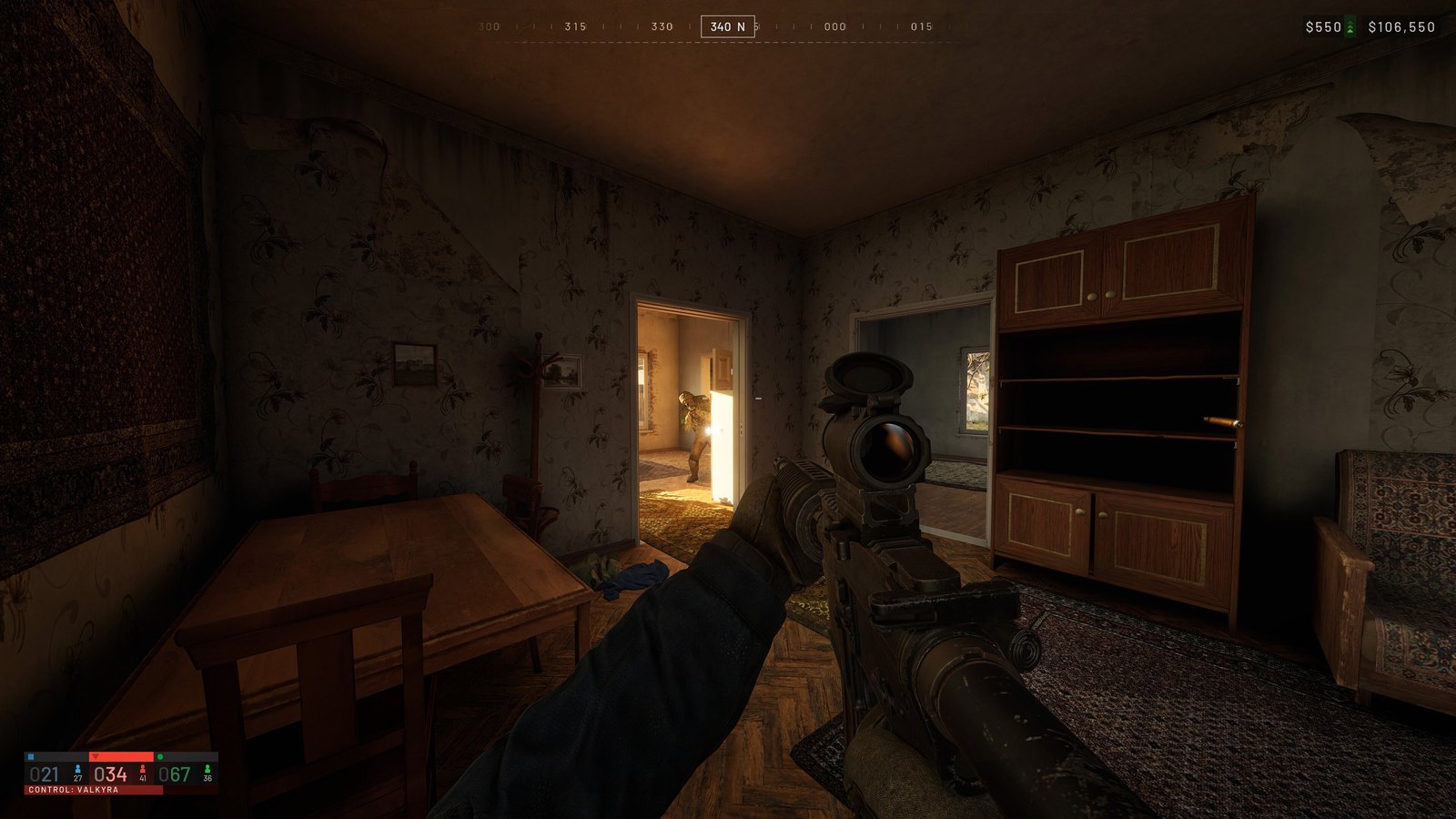
BULKHEAD CEO Joe Brammer has pushed back against reports characterizing the studio’s approach to WARDOGS development as mandatory crunch. In a public response on September 16, Brammer said no information from his earlier interview described overtime as mandatory and accused some coverage of taking his comments out of context. His clarification follows industry criticism of remarks he made about hiring, overtime and the intense final months of WARDOGS development.
The controversy began after Brammer appeared on The Game Business Show to discuss WARDOGS, which sold two million copies during its opening weekend in Early Access. During the interview, Brammer said BULKHEAD tries to avoid crunch but does not hide the possibility that it may happen during development. He also said applicants who regularly post strong anti-crunch views on social media may be considered a poor fit for the studio and therefore may not make it through the hiring process.
Those comments were widely interpreted as evidence that BULKHEAD expects developers to accept crunch as part of the job. Brammer has now disputed the stronger claim that this means overtime is mandatory, writing that “no information says mandatory” and arguing that the word had been added by others. His response does not retract the broader comments about crunch potentially occurring or the studio preferring employees who are comfortable with its work culture.

Brammer also provided additional context about how BULKHEAD structured development. He said the studio operated a four-day work week for roughly half of WARDOGS’ development and that 50% of the company’s staff collectively own 80% of BULKHEAD’s shares. He also said employees will receive the entire month of December off following the game’s launch period.
That context is central to Brammer’s argument that the studio’s demanding periods should be viewed alongside periods of reduced workload and employee ownership. In the original interview, he described the last three months before launch as significantly more intense, saying WARDOGS had taken priority over much of employees’ family lives during that period. He then argued that the company now needed to shift in the opposite direction and allow the team to recover.
One example involved WARDOGS’ console release. Brammer said BULKHEAD has resisted pressure to move the console version forward because the development team has already been pushed hard and needs more time. The studio is currently targeting 2028 for consoles rather than accelerating development immediately after the PC launch.
The comments nonetheless continue to draw criticism because of BULKHEAD’s hiring philosophy. Brammer said the studio checks applicants’ social media activity and that candidates who consistently argue crunch should never happen may not be considered a good fit. He framed that approach as transparency, saying BULKHEAD wants prospective employees to understand that it is a studio where people are expected to work hard when circumstances require it.
That distinction leaves two separate issues at the center of the discussion. Brammer is specifically rejecting the claim that BULKHEAD imposes mandatory crunch, but he is not denying that extended periods of intensive work have occurred or that willingness to accept crunch can influence hiring decisions. His clarification therefore narrows one part of the reporting without fully resolving the wider debate around the studio’s workplace culture.
The dispute arrives shortly after WARDOGS became one of 2026’s surprise commercial successes. BULKHEAD had faced an uncertain future after Tencent stepped away from the studio, but WARDOGS subsequently sold two million copies during its first weekend in Early Access. That success has put both the game and the studio’s internal development practices under considerably greater scrutiny.
Brammer has indicated that he does not intend to continue debating the issue publicly, instead presenting the ownership structure, four-day work week and December break as evidence of how BULKHEAD balances periods of high intensity. Critics, meanwhile, have focused on his earlier comments about screening anti-crunch applicants and the expectation that difficult development periods will sometimes occur.
For now, the clearest distinction is that BULKHEAD’s CEO denies ordering mandatory crunch during WARDOGS development while openly acknowledging that the studio experienced a prolonged high-pressure period before launch. The disagreement is therefore less about whether crunch happened at all and more about whether the conditions surrounding that work amounted to an obligatory workplace expectation.
