


Microsoft has begun consulting employees over the proposed closure of Ninja Theory after two attempts to transfer the Hellblade developer to new ownership fell through. The company confirmed the development as part of its latest Xbox restructuring update on September 22, while stressing that it is continuing to explore other options for the studio. Ninja Theory therefore has not formally closed, but its future is now considerably less certain.
The Cambridge-based developer had been expected to leave Microsoft rather than shut down. In July, Xbox announced that Ninja Theory had entered terms to move to new ownership with funding intended to support development of Senua, its newly announced action-adventure game. Microsoft’s latest update says two separate agreements subsequently failed, leaving the company without a completed transfer deal.
Microsoft is now entering an employee consultation process around a proposed closure while continuing to look for alternatives. That wording is important because consultation does not mean the studio has already been shut down, nor does it establish a final outcome. The company has not identified the parties involved in the failed transactions or explained why either agreement collapsed.
The development comes amid a much wider restructuring across Microsoft’s gaming organization. Xbox is eliminating another 268 roles across Halo Studios, other first-party developers and central Xbox Game Studios functions while reorganizing several teams under Activision, Bethesda and King. Those cuts follow earlier reports that another wave of Xbox layoffs and studio consolidation was imminent.
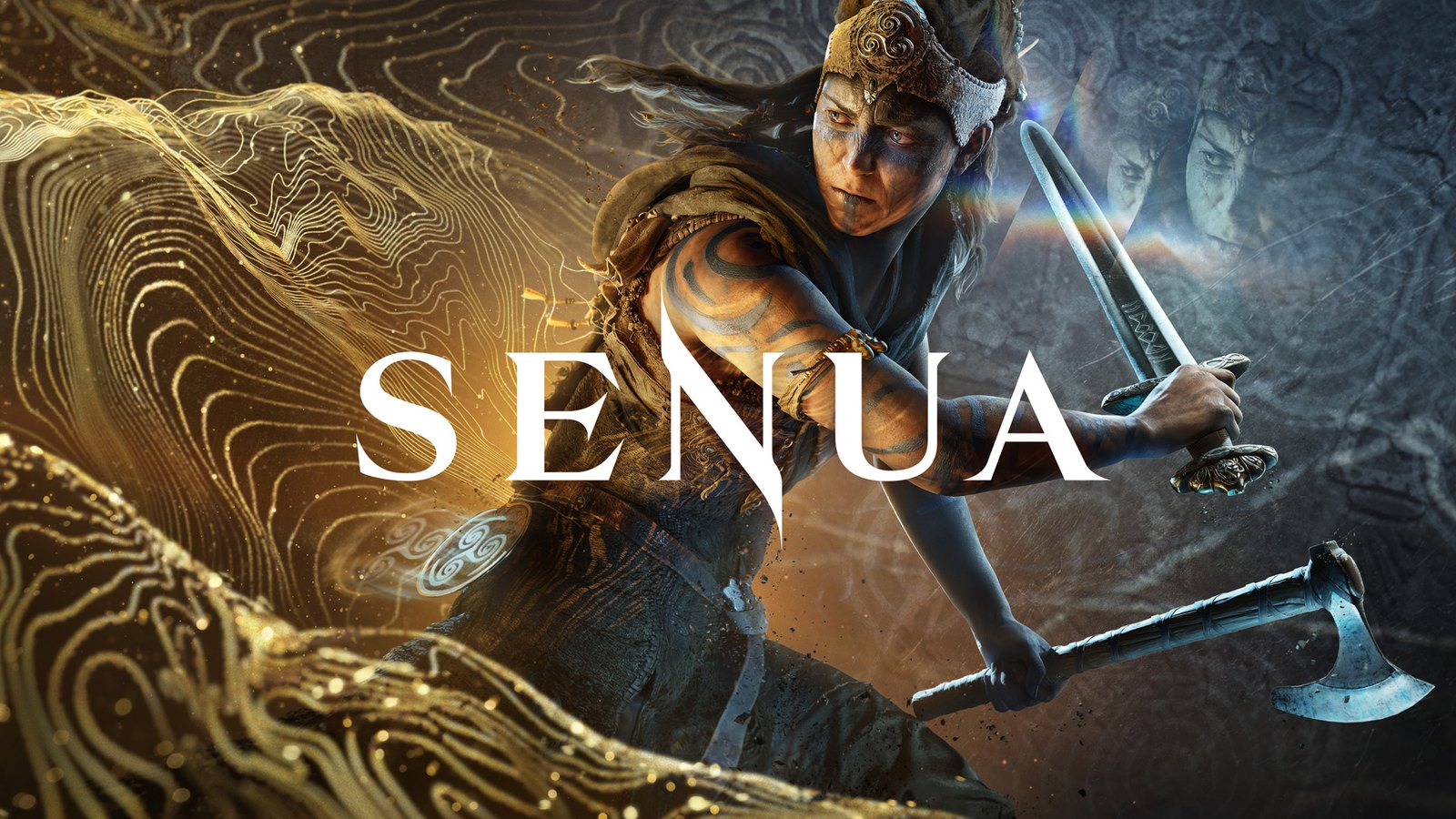
Ninja Theory’s situation is especially notable because the studio unveiled Senua during the Xbox Games Showcase in June. The project is a new action-adventure set in the Hellblade universe and is currently listed for release in 2027 across Xbox Series X|S, PC, PlayStation 5 and cloud, with Game Pass availability also announced. Xbox’s official store page continues to list Ninja Theory as the developer and Xbox Game Studios as publisher.
Studio head Dom Matthews described Senua in June as a broader action-adventure than the previous Hellblade games, with expanded combat, exploration and puzzle solving. Ninja Theory also discontinued work on its experimental horror project Project Mara so that its full team could focus on Senua. Matthews said at the time that approximately 85 developers were working together on the new game.
Reports that emerged shortly after Senua’s reveal had already suggested Microsoft was considering separating from Ninja Theory. Game File reported in June that Microsoft had planned either to sunset the studio or split with it before the game’s announcement, with the reveal potentially helping attract outside investment. Microsoft’s July restructuring announcement subsequently confirmed that a transfer to new ownership was being pursued, but the September update now confirms those efforts have encountered substantial setbacks.
The company has not announced what would happen to Senua if Ninja Theory ultimately closes. The game remains publicly listed for 2027, and Microsoft’s September statement does not announce its cancellation. It is therefore unclear whether another internal Xbox studio, an outside developer or a future buyer could assume responsibility for the project if the consultation ends with Ninja Theory shutting down.
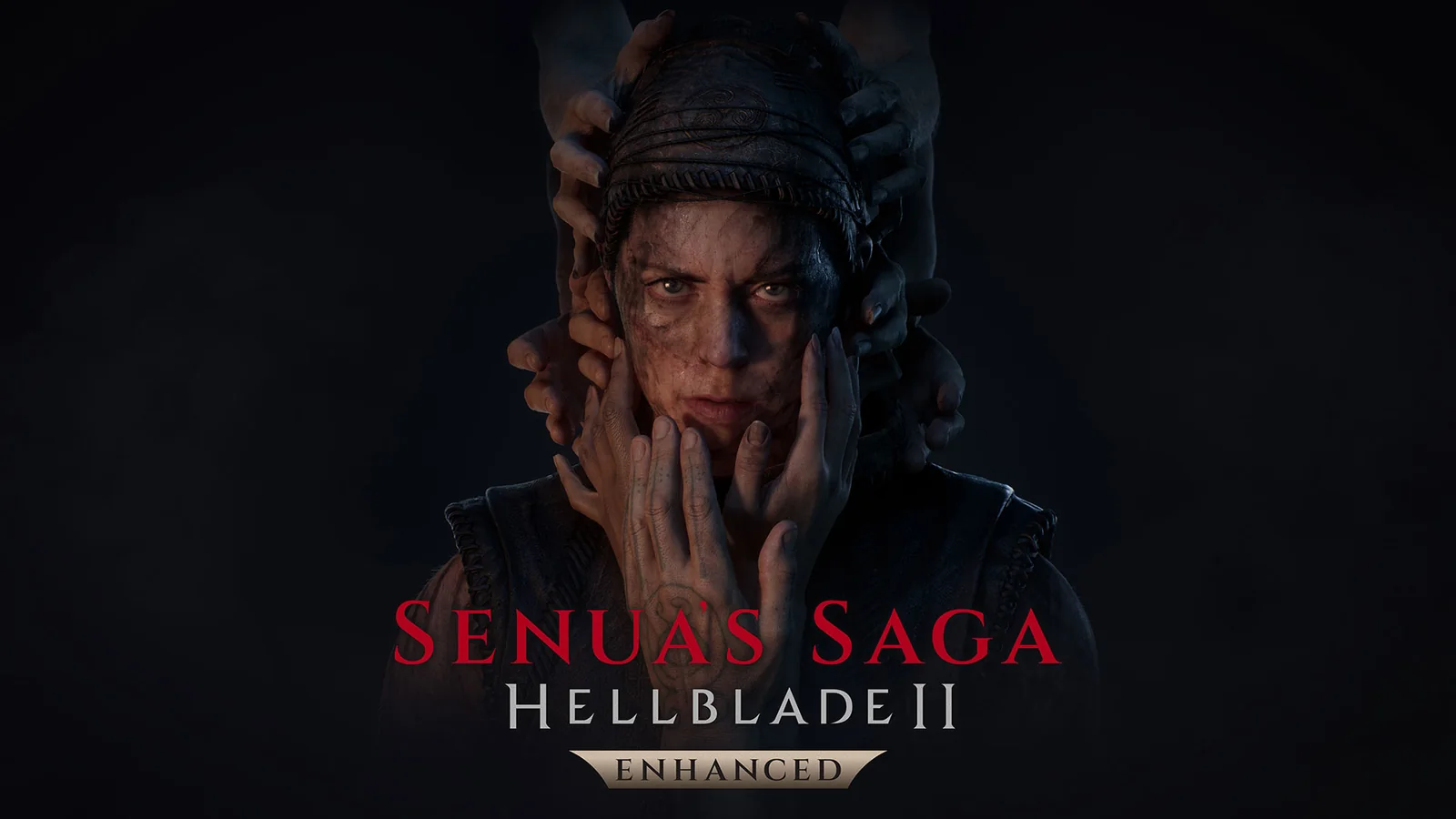
Ninja Theory joined Microsoft in 2018 and has since released Bleeding Edge and Senua’s Saga: Hellblade II under Xbox ownership. The studio is best known for the Hellblade series, while its earlier catalog includes Heavenly Sword, Enslaved: Odyssey to the West and DmC: Devil May Cry. Its potential closure would end an eight-year period under Microsoft unless another ownership arrangement can still be reached.
For now, Microsoft’s confirmed position is that two proposed Ninja Theory transactions have fallen through and consultation over a possible closure has begun. The process remains ongoing, and the company says it is still considering alternatives, leaving both the studio and the future development structure of Senua unresolved.
