


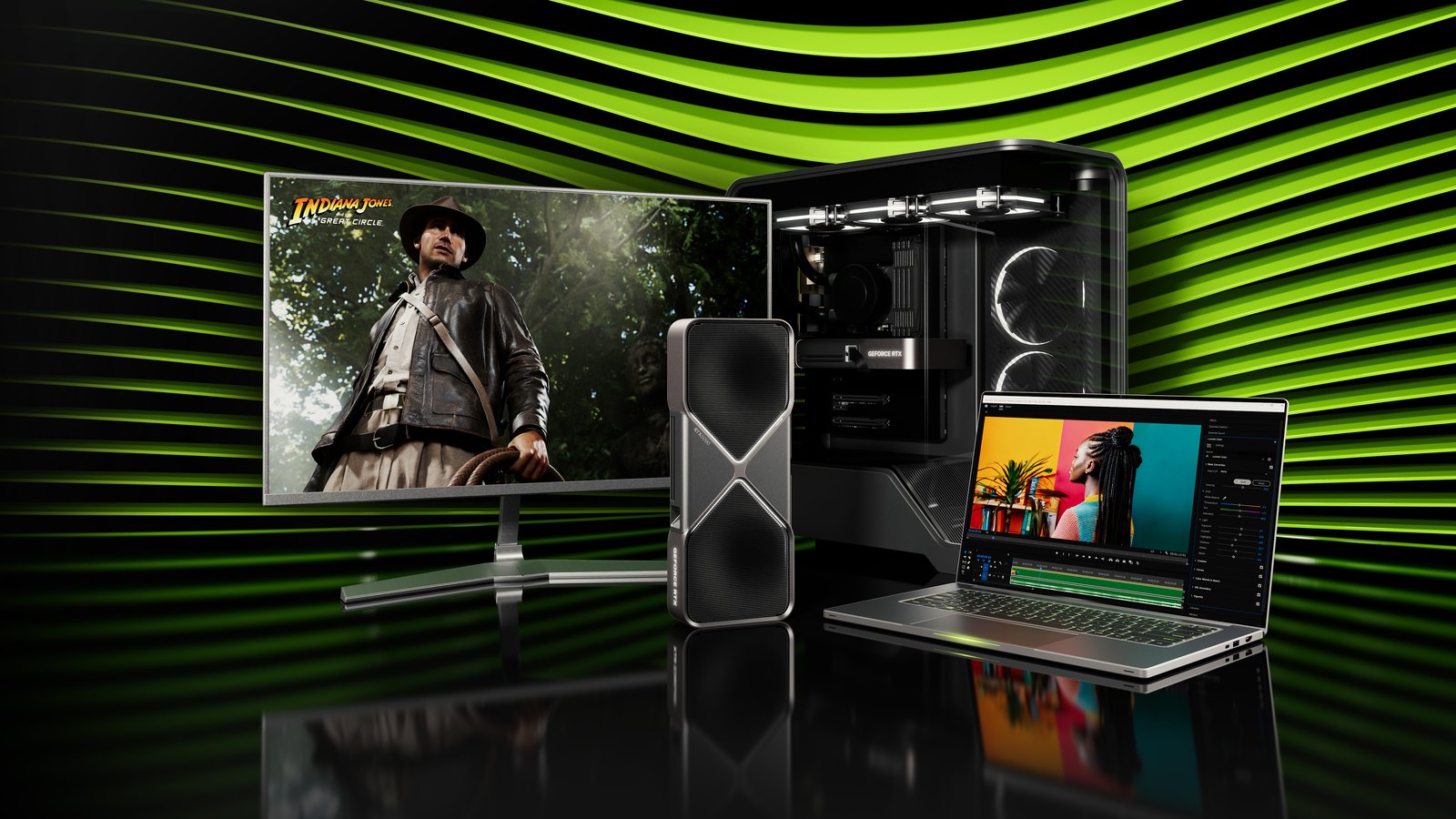
Nvidia’s next-generation GeForce graphics cards may not arrive until 2028, according to a new update from hardware leaker kopite7kimi. The leaker says the GR20x gaming GPU family is now a “2028 product,” revising an earlier prediction that placed the chips in the second half of 2027. Nvidia has not announced a consumer Rubin GPU lineup, RTX 60 branding or an official launch window, so the reported schedule remains unconfirmed.
Kopite7kimi specifically said that GR20x had been “postponed again,” suggesting Nvidia’s internal plans have shifted since the leaker’s previous information. In January, the same source identified GR20x as the gaming branch of Nvidia’s Rubin architecture and pointed to a second-half 2027 release window. No detailed GR20x specifications have surfaced yet, leaving the architecture, die configurations, memory setup and eventual product stack largely unknown.
The new claim is notable because it now aligns with information shared separately by AMD-focused hardware leaker Kepler_L2. Earlier this month, Kepler said that only AMD’s AT2 chip was expected to arrive as a next-generation GPU product in 2027, with Nvidia’s next gaming generation and most of AMD’s broader RDNA 5 family instead targeting 2028. Two established hardware leakers independently pointing toward the same year does not confirm Nvidia’s plans, but it strengthens the case that a 2027 GeForce generation is no longer the expected schedule.
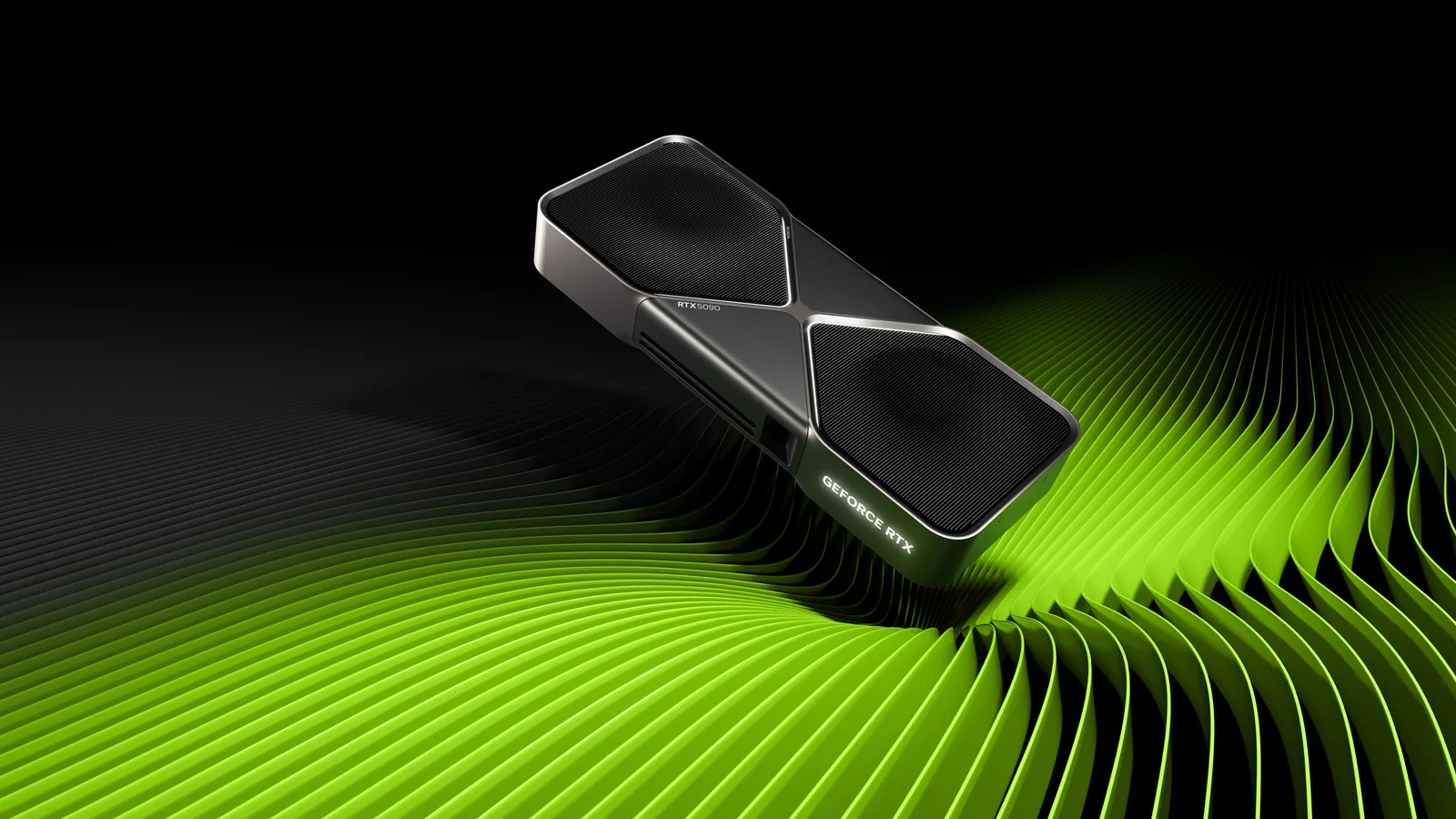
GR20x is believed to form the consumer gaming implementation of Rubin, Nvidia’s architecture succeeding Blackwell in other parts of its product portfolio. Nvidia has publicly discussed Rubin extensively for datacenter hardware, but that does not automatically establish when or how Rubin technology will reach GeForce cards. Consumer and datacenter architectures can follow different schedules, configurations and product priorities.
A move into 2028 would also create a considerably longer gap between major GeForce generations than PC gamers have become accustomed to. Nvidia’s current RTX 50 family is based on Blackwell, while the rumored GR20x chips are expected to underpin whatever Nvidia eventually positions as its next full gaming generation. Whether that range ultimately carries RTX 60-series branding has not been officially confirmed.
The changing timeline also matters in the context of AMD’s competing roadmap. Kepler_L2 has indicated that AMD’s smaller AT2 GPU could still arrive in 2027, while larger next-generation chips would follow later. Separate leaks have also begun describing architectural changes in RDNA 5, including a claim that RDNA 5 could roughly double Blackwell-class matrix throughput per SIMD in certain low-precision workloads, pointing toward increased emphasis on neural rendering and AI-assisted graphics.
There are several possible reasons Nvidia could prefer a later consumer launch, although none have been confirmed by the company. The wider PC hardware market continues to face pressure from memory availability and strong datacenter demand, while Nvidia has increasingly prioritized high-margin AI products. Reports have also questioned the timing of a potential RTX 50 SUPER refresh, making Nvidia’s near-term gaming roadmap unusually uncertain.
The revised GR20x claim additionally contradicts recent rumors suggesting an RTX 6090 could arrive during 2027. With kopite7kimi now explicitly assigning GR20x to 2028 and Kepler_L2 separately ruling out a full Nvidia next-generation launch next year, those earlier 2027 reports currently have conflicting leak evidence behind them.
For now, 2028 should be treated as a rumored target rather than a confirmed delay. Nvidia never publicly committed its next GeForce generation to 2027, meaning the company has not officially postponed anything from a consumer perspective. What has changed is the information coming from kopite7kimi: a source that previously expected gaming Rubin in late 2027 now says GR20x has moved into 2028, adding another significant data point to an increasingly consistent leak picture around Nvidia’s next gaming GPU cycle.
