


Sony Interactive Entertainment has outlined a system that could translate in-game sounds into visual indicators and directional lighting, potentially helping players identify threats and other audio cues without relying entirely on hearing. The technology is described in a patent application titled “Audio Processing System and Method,” which also proposes ways to support existing games without modifying their original code.
The patent recently attracted attention following the publication of a corresponding US application on October 22, 2026. However, the underlying technology is not entirely new. Sony filed a related European application in May 2023, which was published in December that year. The documentation describes an accessibility-focused system rather than a confirmed feature for PlayStation 6.
The proposed system works by classifying sounds according to their intended effect on the player before generating corresponding visual feedback. Sounds could be categorized as friendly, neutral or aggressive, while other classifications distinguish dialogue, environmental effects, background audio and events intended to create tension or surprise.
For example, the patent illustrates a character being pursued by several monsters. One monster produces an aggressive sound before attacking, while the player character makes an exclamation. Instead of depending entirely on audio, the system could display a warning icon near the attacking monster and a separate graphical indicator around the character.
This approach is intended to help deaf and hard-of-hearing players recognize information that traditional subtitles might not adequately communicate, particularly the location and significance of individual sounds during gameplay.
Sony also describes adjusting visual indicators according to audio characteristics. A sudden, loud sound could produce a brighter or more prominent warning, while other properties, including frequency, volume and vocal content, could influence an indicator’s color, shape, transparency or size.
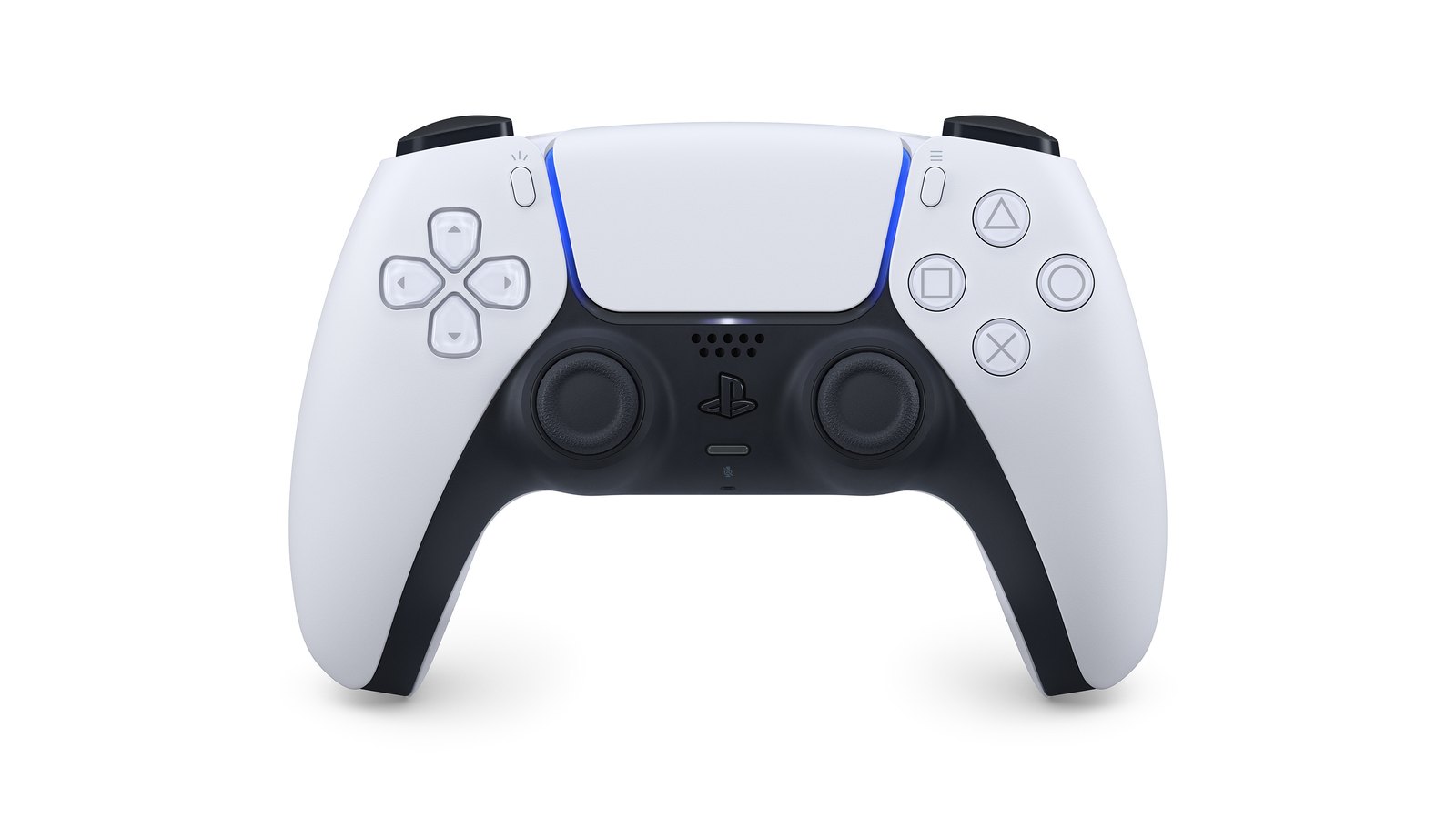
The system could extend beyond conventional on-screen notifications. One proposed implementation places directional LEDs around a controller’s touchpad, allowing lighting to communicate the approximate direction of a sound. Other possibilities include lights surrounding a display, illuminated surfaces around the player and indicators presented through a companion application.
The patent also discusses identifying sound direction through stereo and surround-sound information. A stereo mix could help determine whether a sound originates toward the left or right of the player’s viewpoint, while a 5.1 or 7.1 surround mix could provide additional positional information.
One of the more significant proposals concerns compatibility with older games. Sony explains that the technology could operate through system software or a helper application rather than requiring developers to incorporate the functionality into individual titles.
For legacy games, the system could examine audio files, identify characteristics associated with different sounds and generate metadata used to produce appropriate visual indicators. The analysis could occur when game assets are loaded or before individual audio files are played. Sony also describes maintaining a shared repository of audio metadata for existing games.
Such an implementation could potentially provide more consistent accessibility options across supported titles, although the patent does not establish how accurately an operating system could identify every important sound or whether the functionality would work universally.
While the recent coverage has connected the invention to PlayStation 6 and possible advances in controller feedback, the patent primarily describes audio visualization and directional lighting. It does not confirm a new controller, upgraded haptic motors or any specific next-generation console functionality.
Sony has explored several other potential PlayStation technologies through patent filings, including AI-powered frame generation and NPC behavior that adapts to player actions. These applications describe possible technical approaches rather than guaranteed commercial features.
Sony has not announced plans to introduce this audio processing system on PS5 or a future PlayStation console. For now, the patent establishes how the company proposes making gameplay sound cues more accessible, including through visual feedback that could be applied to existing games.
