


Paramount and Warner Bros.’ video game operations are being brought together under Skydance following the completion of Paramount’s acquisition of Warner Bros. Discovery. The combined games and experiences organization will be led by Tony Driscoll, who already heads Paramount Games Studio and will continue overseeing corporate strategy and development. The restructuring places major studios and franchises from both companies under a single leadership structure for the first time.
The move follows the October 6 completion of the approximately $110 billion Warner Bros. Discovery transaction, which created the newly combined Skydance company. Paramount had already formed Paramount Games Studio earlier in 2026 by bringing together its existing gaming operations with Skydance Interactive and Skydance New Media. The Warner Bros. games business is now being folded into that broader organization as Skydance begins reorganizing its newly expanded entertainment portfolio.
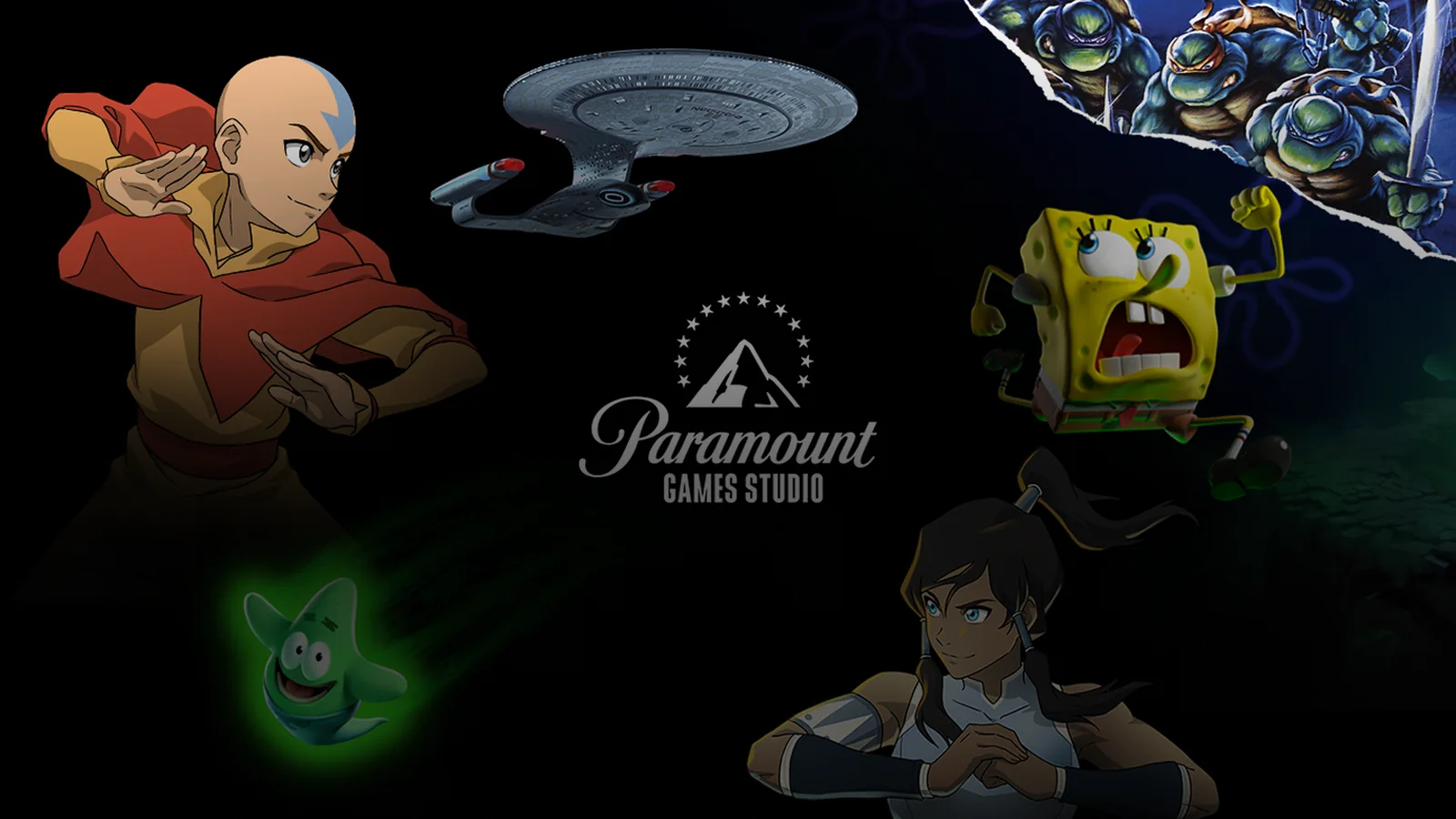
Warner Bros. Games brings several major development studios into the structure, including Avalanche Software, NetherRealm Studios, Rocksteady Studios, TT Games and WB Games teams in Montreal and Boston. Those studios are associated with franchises including Hogwarts Legacy, Mortal Kombat, Batman and Lego games. Paramount’s side includes Skydance Interactive and Skydance New Media alongside projects and properties such as Teenage Mutant Ninja Turtles: The Last Ronin, Avatar Legends: The Fighting Game, SpongeBob SquarePants and Star Trek.
The combined portfolio also gives the new games organization access to a much larger catalog of entertainment properties. Warner Bros. contributes brands including DC, Harry Potter, Game of Thrones, The Matrix and Mortal Kombat, while Paramount brings franchises such as Mission: Impossible, South Park, Avatar: The Last Airbender and The Godfather. Skydance has not announced any new cross-franchise projects or changes to existing development schedules as part of the restructuring.
Driscoll said in a message to employees that the company’s games and experiences teams are responsible for building spaces where players and communities can interact with its worlds. He said his immediate priority is meeting teams across locations including Los Angeles, London, Montreal and Tokyo. The comments suggest the initial phase of the reorganization will focus on integrating personnel and operations rather than immediately announcing a new slate of games.
Paramount had already positioned games as a major pillar of its wider entertainment strategy before the Warner Bros. deal closed. When Paramount Games Studio was unveiled in June, Driscoll said games were being treated alongside film, television and streaming rather than as a secondary extension of the business. The addition of Warner Bros. Games significantly expands the scale of that strategy by adding established AAA development teams and long-running game franchises.
The broader merger itself only recently cleared its final legal and regulatory hurdles. Paramount had reached settlements connected to challenges surrounding the Warner Bros. Discovery acquisition, allowing the transaction to proceed to completion. Skydance is now beginning the more difficult process of integrating overlapping businesses across film, television, streaming, games and other entertainment divisions.
For Warner Bros. Games, the reorganization comes after several years of uneven performance and internal changes. The company has had major commercial successes such as Hogwarts Legacy while also dealing with project cancellations and restructuring across parts of its games portfolio. Material from abandoned projects has continued surfacing, including concept art from the canceled Project Moonlight kart racer, highlighting the range of projects previously explored across Warner’s studios.
Skydance has not said whether the consolidation will lead to layoffs, studio closures, project cancellations or changes in publishing labels. No new games were announced alongside the organizational update, and existing teams appear to remain in place for now. The immediate change is primarily one of leadership and structure, with Paramount Games Studio and Warner Bros. Games now operating within the same broader organization.
That structure gives Skydance one of the more substantial collections of licensed entertainment IP and internal development talent in the games industry. How aggressively it chooses to combine those resources remains unclear, particularly across studios with very different development histories and specialties. The next major indication of the strategy will likely come when Skydance begins announcing projects developed under the newly unified games organization.
