


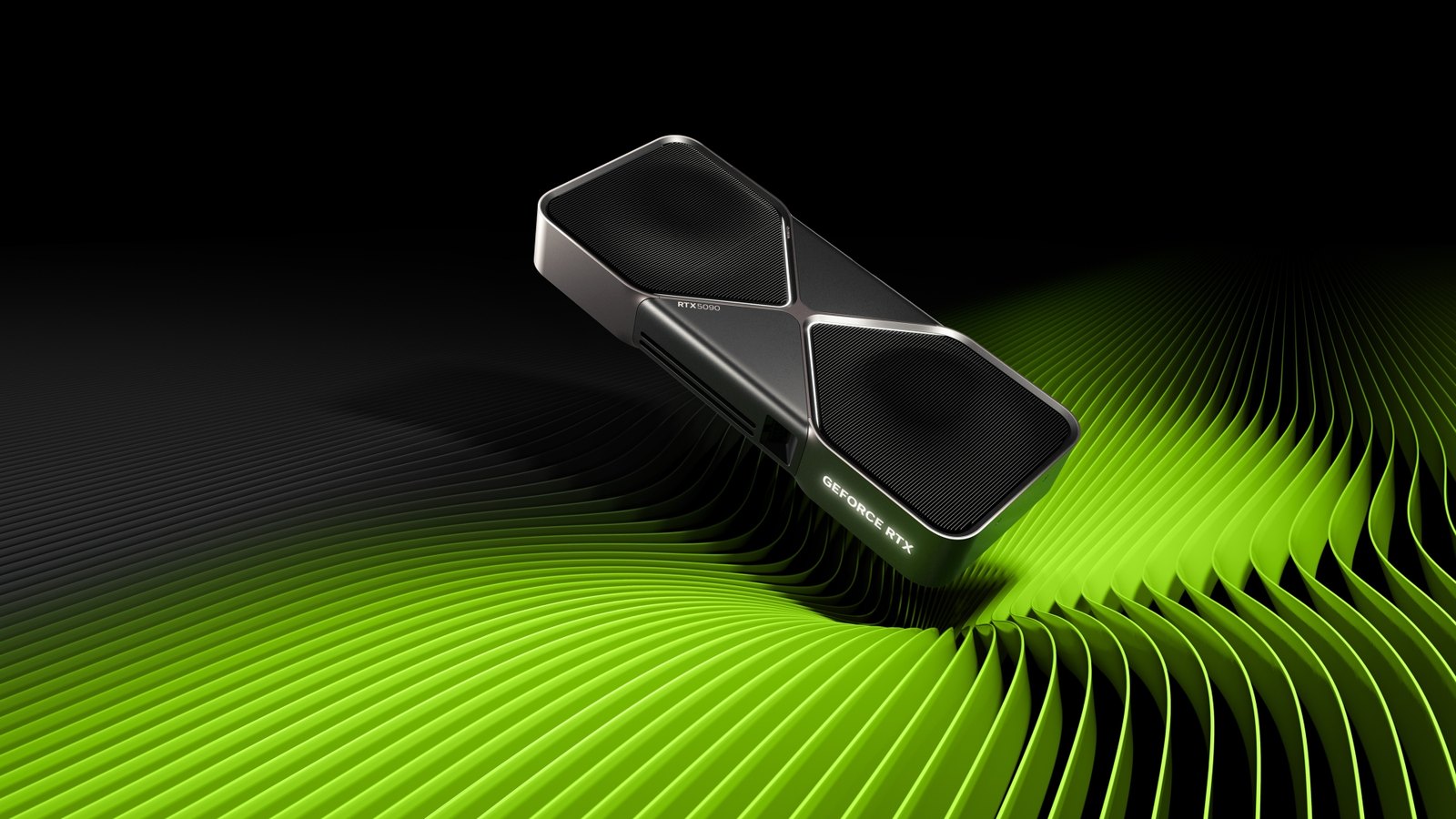
Developer Panchovix has released three tools that allow NVIDIA GeForce RTX GPU owners to modify power limits, voltage settings, fan controls and clock-offset ranges without permanently flashing their graphics cards. The software targets RTX 30, RTX 40 and RTX 50-series GPUs, offering enthusiasts a way to load customized VBIOS configurations through Windows or Linux.
The tools were publicly introduced on October 17, 2026, through posts on Reddit’s overclocking and NVIDIA communities. Panchovix also published the projects on GitHub, including a cross-platform VBIOS editor and separate loaders for Windows and Linux.
Unlike conventional firmware modifications, the new approach leaves the graphics card’s physical VBIOS chip unchanged. Instead, it loads an edited firmware image through software when the NVIDIA driver or GPU initializes.
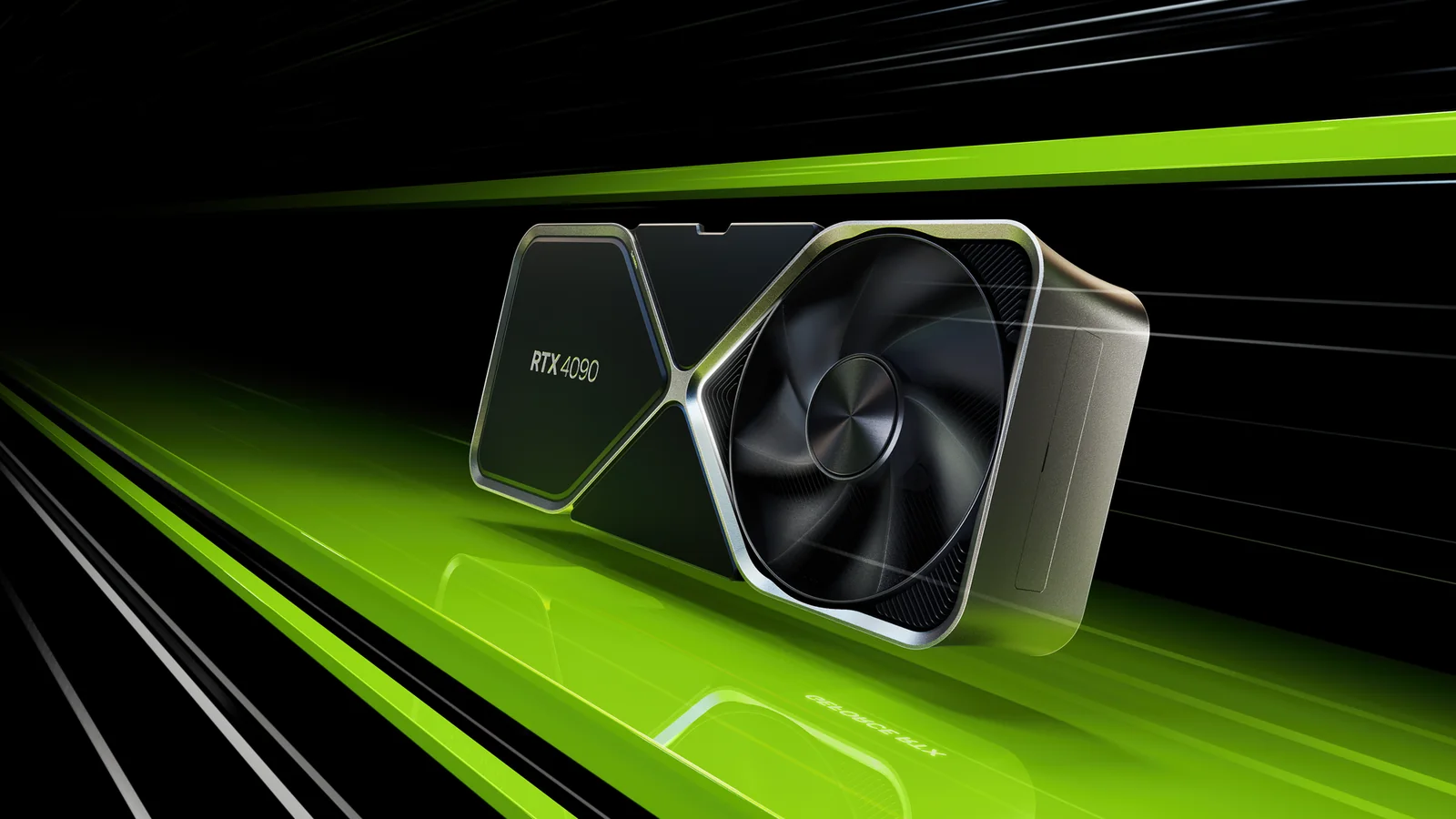
The VBIOS Vix Editor supports modifying several hardware parameters, although available options depend on the GPU architecture. On supported RTX 50-series Blackwell cards, users can adjust maximum board power, voltage ceilings, minimum voltage, overcurrent protection thresholds, fan settings and permitted GPU core and memory clock offsets.
RTX 40-series Ada Lovelace and RTX 30-series Ampere cards support a more limited selection of modifications, including power limits, clock-offset ranges and certain fan or voltage parameters. Some features remain experimental, particularly on older architectures.
The editor runs on Windows and Linux and provides both a graphical interface and command-line functionality. Users must supply an existing VBIOS image, which the software modifies and saves as a separate file while preserving the original.
On Windows, the accompanying VBIOS loader stores the modified image in the graphics card’s NVIDIA driver registry configuration. The driver can then load the override after the GPU restarts, without requiring a physical firmware flash.
The Windows loader also provides verification and removal functions. Its registry override remains configured across normal Windows restarts, although a clean driver installation or certain driver updates may remove it.
The Linux implementation takes a different approach. It modifies NVIDIA’s open kernel modules to load the customized VBIOS image into memory during GPU initialization. The project can create a separate boot entry and rebuild its modifications following kernel updates.
Panchovix credits earlier VBIOS override work by developer pantsoftime as a foundation for the loader projects.
The developer has documented successful modifications across several GPUs. On an RTX 4090, the Windows loader applied a modified configuration that increased the reported power limit to 671W and expanded the available core clock offset range to +1,200 MHz.
Other reported examples include increasing an RTX 5080’s power limit from 360W to 500W, raising an RTX 5060 Ti from 185W to 300W, and configuring an RTX 5090 for an 800W power limit.
These figures describe reported configuration changes rather than measured sustained gaming power consumption. They also do not establish corresponding improvements in frame rates, clock speeds or real-world performance.
The RTX 5090 is particularly relevant because of its already substantial power requirements. Hardware enthusiasts have explored other ways to modify its power delivery, including an RTX 5090 modification adding dual 8-pin PCIe power inputs alongside the card’s existing 16-pin connector.
However, changing firmware-defined power limits does not increase the physical capabilities of a graphics card’s connectors, voltage regulators or cooling system. Higher configured limits can expose those components to additional stress if the GPU actually draws more power.
Compatibility also varies considerably between cards. The Windows loader’s documentation identifies successful tests on an RTX 5070, RTX 4090 and RTX A2000, while Panchovix has reported additional testing or community validation involving cards such as the RTX 5090, RTX 4070 and RTX 3060.
Laptop support remains restricted. The developer says RTX 40-series laptop VBIOS images cannot currently be edited successfully, while RTX 50-series laptop cards expose only some editable parameters. Ampere-based laptop GPUs support a broader range of modifications.
Memory timing adjustments are another limitation because the GPU reads those settings directly from its physical firmware rather than the loaded override.
The tools also cannot be used to flash their edited images directly through standard nvflash procedures. The modified firmware retains its original cryptographic signature, which no longer matches the altered contents. The software-based loaders provide a way to apply those changes without writing the modified image to the flash chip.
Panchovix explicitly warns that users assume responsibility for hardware damage resulting from modifications. Raising voltage ceilings, power limits or overcurrent protection thresholds can cause instability, overheating or permanent component damage.
The Windows loader additionally requires administrator privileges and a compatible NVIDIA driver, with its current documentation specifying version 616.56 or newer. The developer recommends retaining the original VBIOS and testing on a secondary GPU where possible, allowing users to recover if a modified configuration prevents normal display operation.
Although the projects demonstrate a way to bypass some software-defined configuration restrictions, their practical gaming benefits remain unverified across the supported GPU families. The available evidence primarily establishes that modified parameters can be loaded and recognized on particular cards, rather than proving consistent performance improvements.
The three tools are available through Panchovix’s GitHub repositories. They are unofficial projects and are not affiliated with or endorsed by NVIDIA.
