


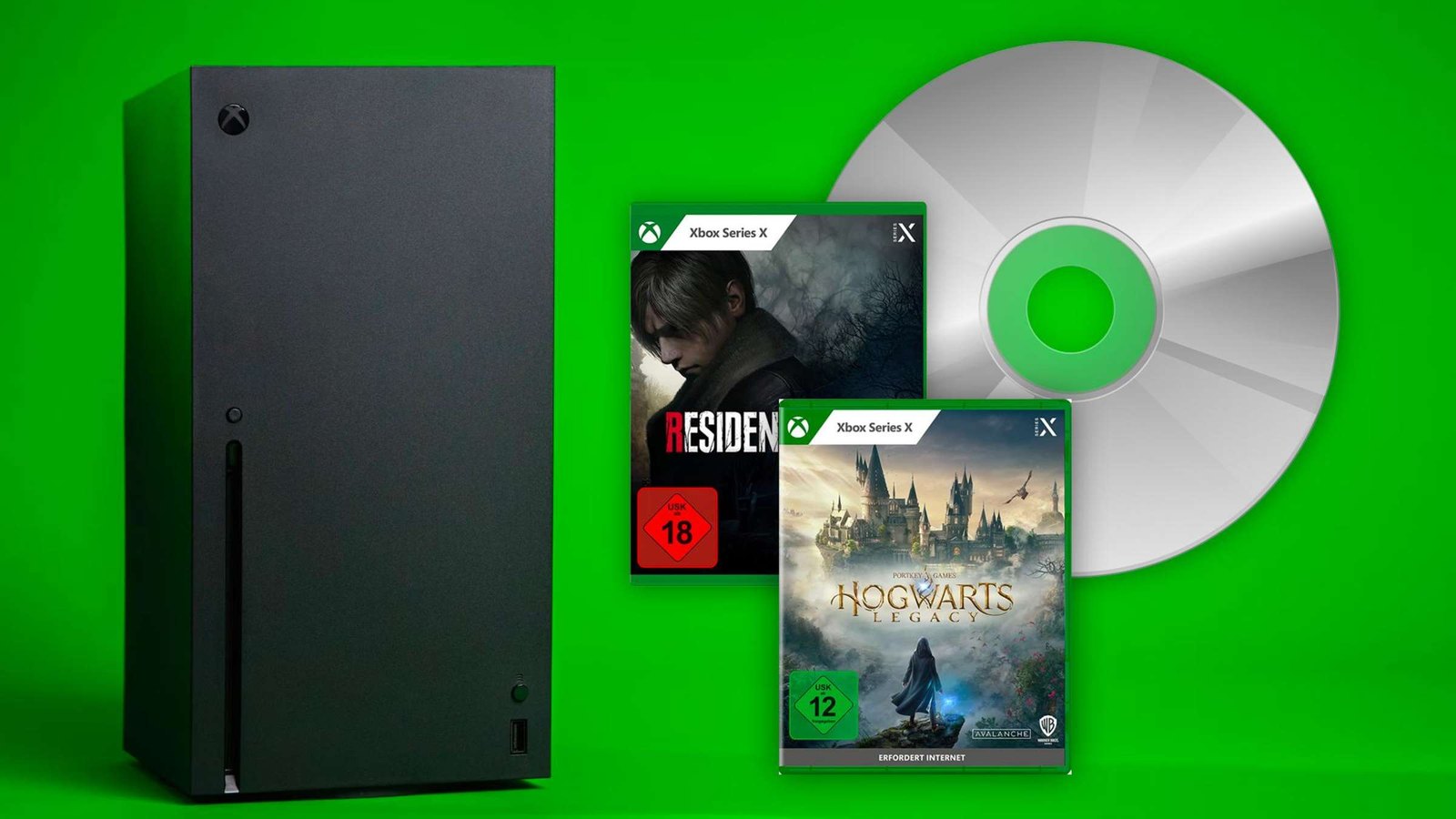
Microsoft has posted a new job listing for an Xbox Games Supply Strategist, indicating that physical game distribution remains part of the company’s operations. The position specifically involves coordinating physical Xbox game launches across multiple platforms, managing global inventory and overseeing retail sales channels.
The vacancy, advertised in October 2026, is a full-time position based in Redmond, Washington. It comes amid ongoing questions about the future of physical Xbox games and whether Microsoft’s next-generation console, known as Project Helix, will support game discs.
According to the job description, the successful candidate will join Microsoft’s Xbox Supply Chain team and coordinate the launch of physical Xbox games “across all platforms.” The role also involves developing worldwide supply strategies, managing inventory throughout a game’s lifecycle and ensuring products reach sales channels while meeting cost and profitability targets.

The employee will work with Microsoft’s product marketing, finance, sales, manufacturing and engineering teams to align production and distribution plans. Responsibilities include analyzing supply and demand, addressing inventory shortages and coordinating product launches and transitions.
The listing provides direct evidence that Microsoft is maintaining dedicated supply-chain planning for physical games rather than focusing exclusively on digital distribution.
However, the wording contains an important distinction. Microsoft refers to physical Xbox games across all platforms, not specifically to discs designed for Xbox consoles. The responsibilities could therefore include Xbox-published titles released physically on PlayStation and Nintendo hardware.
That distinction matters as Microsoft prepares its next hardware generation. Xbox CEO Asha Sharma has described Project Helix as a family of next-generation devices, including a flagship console and additional hardware designed for gaming on the go.
Microsoft has not confirmed whether the upcoming console will include an optical disc drive or support existing physical Xbox game collections. Nothing in the supply-chain vacancy establishes those hardware capabilities.
The question of physical ownership has become increasingly relevant as console manufacturers expand digital distribution. Microsoft’s disc-to-digital initiatives have also raised questions about how physical purchases might fit into the company’s longer-term gaming ecosystem.
Meanwhile, the debate extends beyond Xbox. Former PlayStation executive Shawn Layden has warned that moving away from physical PlayStation discs could damage consumer perceptions of ownership and the PlayStation brand.
For Xbox players who prefer boxed releases, Microsoft’s recruitment activity offers a concrete indication that physical game supply and retail distribution remain active areas of the business. It does not, however, guarantee physical editions of future Xbox exclusives, continued backwards compatibility with discs or a disc drive in Project Helix.
Those details will require a separate hardware announcement from Microsoft.
