


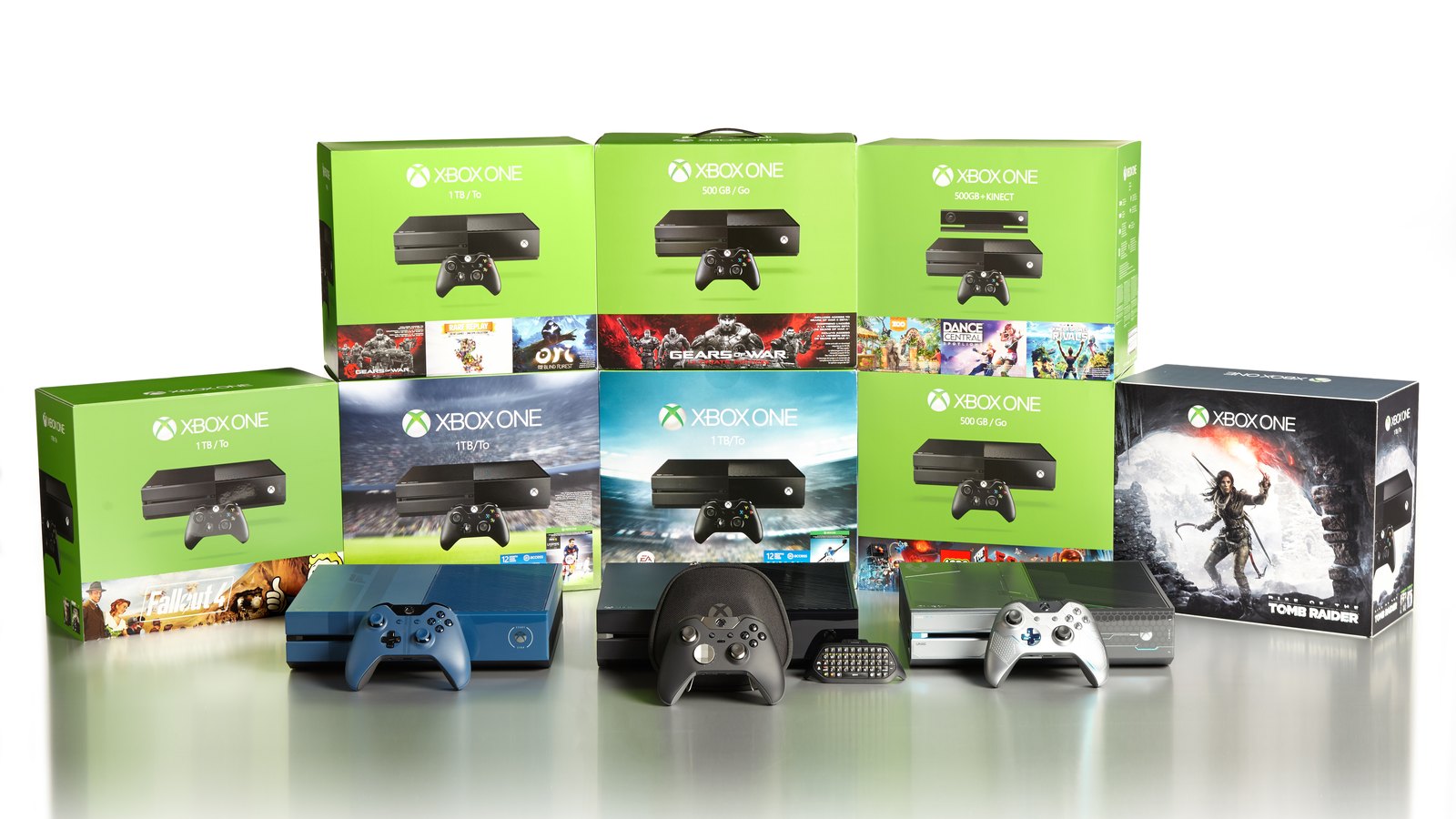
Microsoft was exploring digital gifting, game recycling and disc-to-digital conversion for Xbox as far back as 2011, according to new reporting from The Verge’s Tom Warren. Sources familiar with Microsoft’s plans say the company considered a broader vision of digital ownership years before the Xbox One launched, including the ability to swap physical discs at retail stores for digital versions. Many of those ideas were never implemented after Microsoft changed its Xbox One strategy in response to widespread criticism.
The newly reported details help explain the technical foundation behind Xbox’s current disc-to-digital program. Warren says Microsoft made an early decision to give Xbox One game discs unique identifiers that consoles could read, effectively allowing individual discs to be recognized. That capability has now become central to Microsoft’s modern system for turning supported physical games into digital entitlements.
Microsoft officially announced the current disc-to-digital feature in August 2026, presenting it as part of its broader game-preservation strategy. Xbox Insiders can insert a supported Xbox One or Xbox Series X disc into a compatible console and claim a digital entitlement tied to that physical copy. The feature is designed to extend a player’s existing library into digital services such as Xbox Play Anywhere and Xbox Cloud Gaming where supported, while the original disc continues to function normally.
The digital license is not equivalent to permanently converting a disc into an unrestricted digital purchase. Microsoft’s current rules state that access remains dependent on continued possession of the qualifying physical disc, and the company may require players to revalidate ownership later. The digital entitlement also cannot be transferred independently from the original disc, making the system more of a bridge between physical and digital access than a complete replacement for traditional ownership.
Warren reports that Microsoft’s ambitions in 2011 went considerably further. The company was reportedly considering digital game gifting, systems for recycling or reselling digital games and retail programs that could exchange physical discs for digital copies. Those plans existed alongside the broader Xbox One strategy that later became controversial because of its internet requirements and restrictions around physical software.
At the Xbox One’s initial unveiling period in 2013, Microsoft publicly described a licensing model that would have allowed players to access installed games without keeping the disc in the console, share libraries with family members and use their purchases across different Xbox One systems. That setup depended heavily on online authentication. Following backlash over the planned 24-hour connection requirement and concerns around used games, Microsoft reversed much of the policy before the console launched.
The reversal restored a more traditional physical-game model, allowing Xbox One owners to lend, trade, resell and rent discs without Microsoft’s originally planned restrictions. It also meant some of the more ambitious digital-sharing concepts disappeared with the unpopular parts of the original system. The underlying disc-identification technology, however, remained in place and is now being used more than a decade later.
Microsoft’s new program has continued to expand since testing began. Recent additions include support for Split Fiction, It Takes Two and A Way Out, while Ubisoft titles have also joined the disc-to-digital test. Microsoft says thousands of games are supported, although compatibility depends on technical factors, publisher participation and how individual discs were manufactured.
Not every Xbox disc can necessarily be recognized by the system. Warren reports that some early Xbox One discs may lack the identifiers required for the program, while damaged discs can also fail the validation process even if they still function normally for traditional play. Publisher approval remains another limitation because Microsoft cannot simply grant digital entitlements for every game without the rights holder participating.
The renewed focus on preserving physical libraries is becoming more relevant as the console industry moves further toward digital distribution. Microsoft has not announced the end of Xbox discs, although questions remain about physical media support on future Xbox hardware. Warren argues that the disc-identification work started in 2011 gives Microsoft options that competitors may not have if optical media eventually disappears.
The broader idea of fully transferable digital ownership remains unrealized. Microsoft’s current digital-game policies still generally treat purchases as licenses rather than property that can freely be gifted, resold or moved between competing platforms. The newly reported 2011 plans nevertheless show that Microsoft was considering those questions long before today’s disc-to-digital feature arrived, and some of that original thinking is now resurfacing in a more limited form.
