


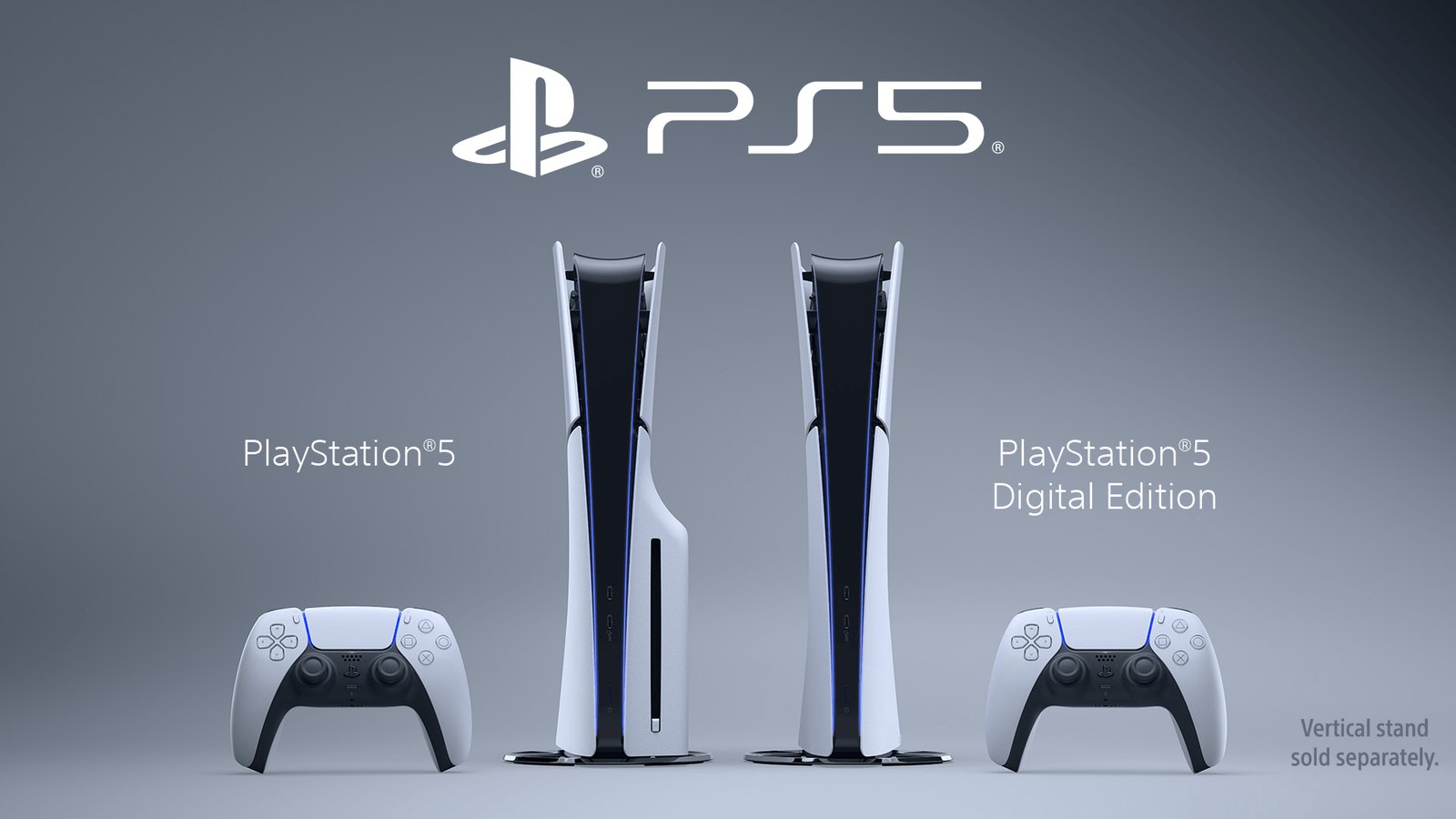
Former PlayStation executive Shawn Layden says Sony’s decision to stop producing physical game discs for new PlayStation releases could deliver a “significant brand hit” by changing how players think about ownership. Speaking on The Expansion Pass podcast, Layden argued that the move risks alienating some of PlayStation’s most dedicated customers even if digital purchases now represent the majority of game sales. Sony plans to end physical disc production for all new PlayStation games beginning in January 2028.
Layden said he does not know the financial calculations behind Sony’s decision and acknowledged that manufacturing and distribution costs may have played an important role. He nevertheless disagrees with abandoning discs entirely, arguing that the smaller group still buying physical games includes especially committed collectors. In his view, those customers may buy multiple copies, retain sealed editions and place greater value on having a tangible product.
His larger concern centers on what consumers actually own when they purchase games digitally. Layden argued that being unable to resell a purchase changes the nature of the transaction, saying that if a person cannot sell something, they do not truly own it. He questioned what players are buying if the product amounts primarily to access tied to an account rather than a transferable physical copy.
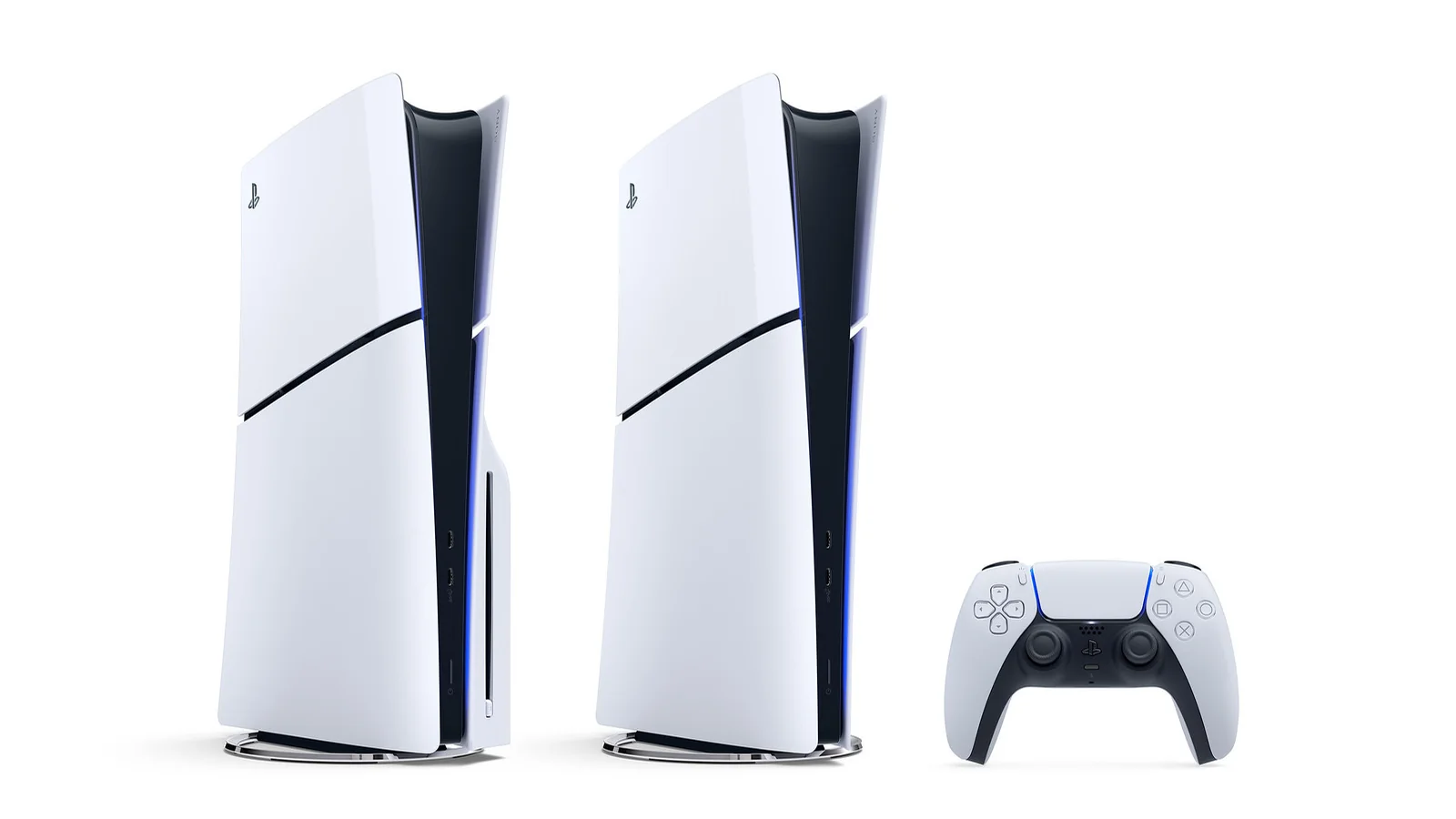
That distinction is where Layden believes Sony could face reputational consequences. Digital storefront purchases are normally governed by licenses and account terms, while a physical disc can generally be sold, lent or transferred independently of the original buyer’s account. Layden said players can easily imagine worst-case scenarios when ownership becomes less tangible, creating what he described as both a brand and reputation problem for PlayStation.
Sony announced its physical-media transition on July 1, confirming that disc production for all new games releasing on PlayStation consoles will end in January 2028. Games released on disc before the cutoff will not be affected, but new releases after that point will be distributed digitally through PlayStation Store and participating retailers. Sony said the decision reflects consumer preferences increasingly shifting toward digital media and would allow the company to align its resources with how most players now access games.
The scale of that digital shift is substantial. Sony’s fiscal 2025 figures showed digital downloads accounting for roughly 80% of full-game software sales, leaving physical purchases as a minority of overall volume. Layden does not dispute that trend, but his argument is that the remaining physical audience carries disproportionate value because it includes collectors and highly engaged fans who may be more sensitive to losing physical ownership.
The debate also highlights a broader issue around reliance on digital storefronts. Access to purchased software can depend on account systems, regional availability and platform infrastructure in ways that physical copies do not always require. Sony has recently had to address digital storefront availability in other contexts, including working with Valve to restore PlayStation PC games mistakenly delisted from Steam in the UK, illustrating how access to digital products can sometimes be affected by platform-side changes.
Layden’s criticism carries additional weight because of his long history with PlayStation. He joined Sony in 1987 and held several senior positions before eventually becoming chairman of Sony Interactive Entertainment Worldwide Studios. He left the company in 2019, meaning his comments represent the view of a former executive rather than Sony’s current leadership.
Sony has already acknowledged the backlash surrounding its decision but has continued to defend the transition. Chief financial officer Lin Tao said in July that the company had carefully considered the move and would proceed cautiously, with the broader shift toward digital content playing a major role. Sony has not indicated that it plans to reverse the January 2028 cutoff.
Layden’s argument is therefore less about whether digital distribution will continue growing and more about what PlayStation may lose by removing the physical option completely. He accepts that digital purchases are more convenient for most players but believes Sony risks damaging trust among customers who associate discs with permanence, resale and control over their purchases. Whether that concern outweighs the financial benefits of ending physical production will only become clear as PlayStation approaches its all-digital 2028 transition.
