


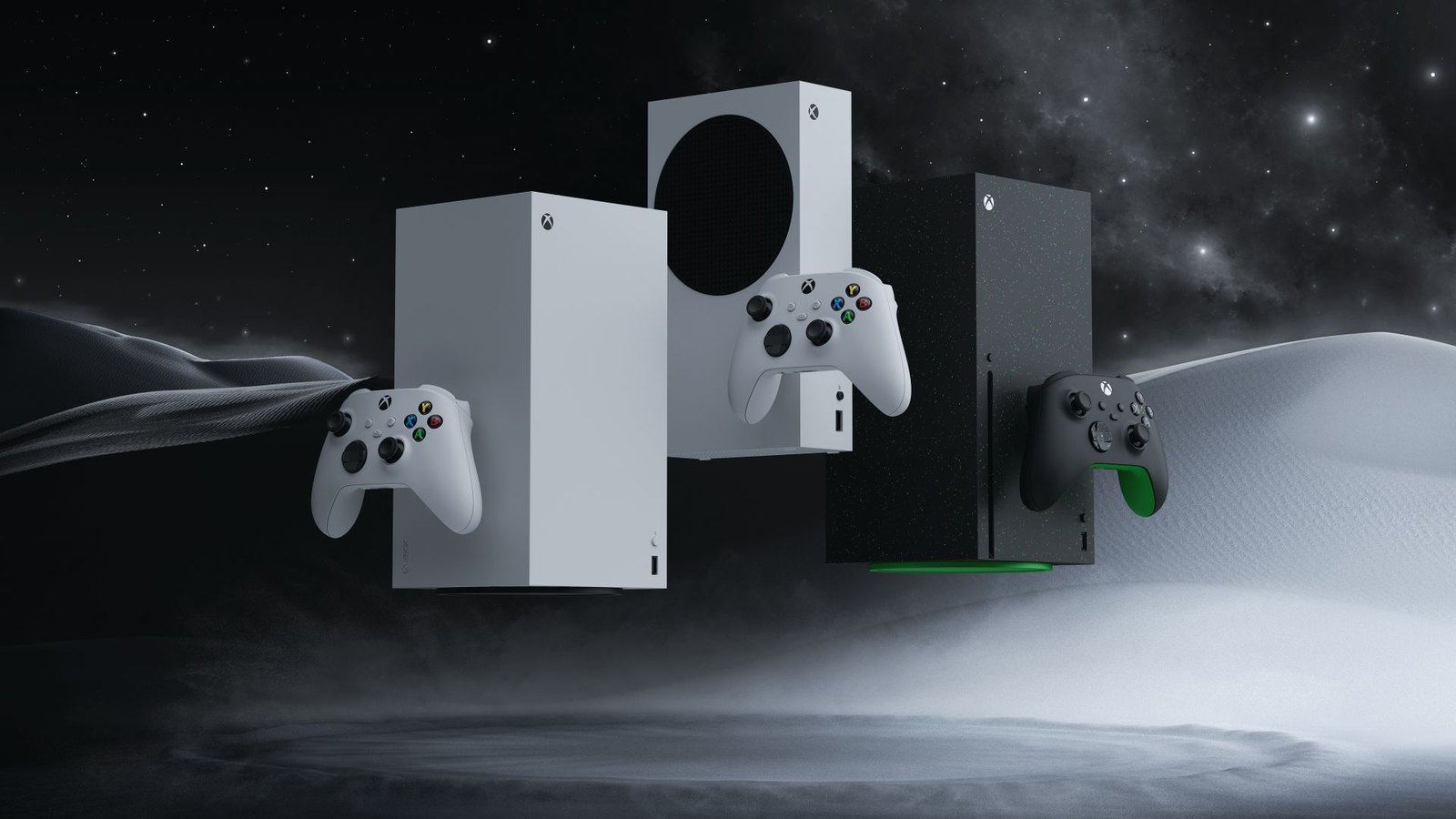
Microsoft is planning its next Xbox generation around a family of devices rather than a single console, according to comments made by Xbox CEO Asha Sharma during an internal company town hall. Windows Central says it obtained and independently verified a transcript of the meeting, in which Sharma described Gen-10 hardware under the Project Helix strategy as spanning multiple form factors. A traditional high-performance console remains central to the plan, but Microsoft also expects to serve players who want portable hardware.
“We are moving to a family of devices for Gen-10,” Sharma told staff, according to the report. She said there is not one piece of hardware that fits every type of player and confirmed that Microsoft still intends to deliver a flagship console first. At the same time, she acknowledged that many players increasingly want to play away from a television, suggesting portable devices will remain an important part of Xbox’s next-generation hardware strategy.
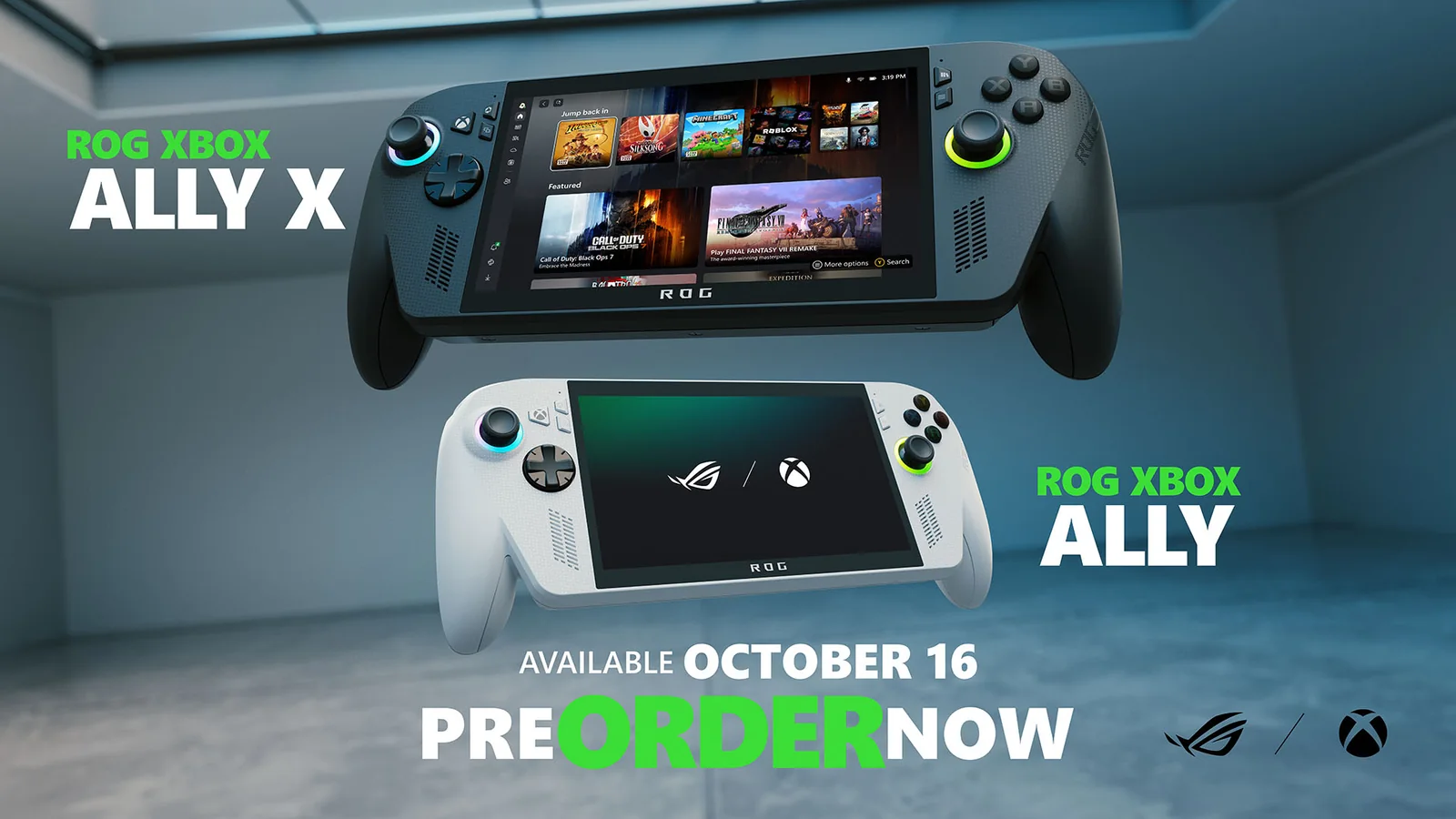
Sharma also indicated that Microsoft may build some of those devices itself while partnering with outside manufacturers on others. That approach would be consistent with Xbox’s current handheld strategy, where Microsoft provides software, services and platform integration for devices such as the ROG Xbox Ally while hardware partners handle manufacturing. It remains unclear how many Gen-10 products Microsoft ultimately plans to release, which will be first-party devices, or whether a dedicated Microsoft-built handheld is included.
Project Helix has already been positioned as a major shift from earlier Xbox consoles. Sharma has previously said the next-generation system will support Xbox and PC games, while Microsoft has also emphasized backward compatibility and a more unified Xbox experience across console, PC and handheld hardware. The newly reported “family of devices” language makes it clearer that Helix is being treated as a broader platform strategy rather than simply the successor to Xbox Series X.
That does not necessarily mean Microsoft will repeat the Series X and Series S model with two fixed console tiers. A family of devices could include several categories with different performance, portability and price targets, but Microsoft has not announced specific configurations. Sharma’s comments only establish that a conventional console remains part of the roadmap and that Xbox is also planning for players who want to game on the go.
The operating system appears to be another important part of that strategy. Sharma told staff that the next-generation software platform is “starting to look really good,” although she did not provide technical details. Microsoft has already been making Windows more controller-friendly on gaming handhelds while expanding Xbox Play Anywhere and its unified library experience, giving the company a foundation for software that can scale across multiple hardware types.
Xbox’s broader strategy is also shifting back toward its existing console audience. Sharma said during the town hall that strengthening Xbox Series X|S is important before Microsoft attempts to grow further across other devices, describing console players as some of Xbox’s most valuable customers. That marks a stronger emphasis on dedicated hardware after several years in which Microsoft increasingly promoted Xbox as an ecosystem extending far beyond its consoles.
Game Pass is expected to evolve alongside that hardware strategy. Sharma reportedly said the subscription service will become more flexible for more players, although Microsoft has not announced the exact structure of those changes. That follows earlier reporting that a leaked 2027 Game Pass overhaul did not reflect Microsoft’s finalized plans, meaning details such as future tiers and add-ons remain subject to change.
The company is also trying to make development across its platforms simpler. Sharma said Xbox is streamlining its publishing APIs so developers can more easily target Xbox Series X|S, Xbox PC and the upcoming Helix generation without treating each platform as a completely separate environment. If Microsoft ultimately ships several Gen-10 device types, reducing those technical differences could be important for keeping software support consistent across the hardware family.
Microsoft has not announced a release date, price or final specifications for Project Helix, and Sharma’s comments do not confirm the exact number of devices planned. What they do clarify is that the next Xbox generation is no longer being framed internally as one traditional console. Microsoft is building Gen-10 around a broader hardware family, with a flagship console at the center and additional devices intended to reach players wherever they choose to play.
