



The sweeping Xbox Game Pass restructuring rumored for 2027 is reportedly not based on Microsoft’s current plans. Windows Central says its own trusted sources characterized the specific list of proposed changes as “speculation or guesswork,” while also reporting that Microsoft is genuinely exploring future changes to Game Pass. The clarification follows a forum post that claimed day-one releases would disappear, cloud gaming would become a separate paid add-on and the service would receive an entirely new pricing structure.
Xbox has also responded publicly to the speculation. In a statement provided to Forbes journalist Paul Tassi, an Xbox spokesperson said Microsoft regularly tests different Game Pass offerings across markets but currently has no finalized changes to announce. Crucially, the company said there are no changes to previously announced games scheduled to launch into Game Pass Ultimate on day one.
That response does not amount to a promise that the current Game Pass structure will remain unchanged indefinitely. The wording specifically protects already announced day-one releases rather than guaranteeing that every future Xbox game will continue entering Ultimate at launch. Still, it directly undercuts the certainty of the recent 2027 Game Pass restructuring rumor, which presented a detailed replacement model as though it reflected Microsoft’s upcoming plans.
Windows Central went further after speaking with its own sources. According to the outlet, the individual claims circulating from the forum are not tied to current Microsoft plans, and there is presently no plan to eliminate day-one games from Game Pass Ultimate entirely. The outlet does, however, report that Microsoft is actively considering changes to the subscription service, meaning the broader idea of another Game Pass overhaul should not be dismissed even if the leaked structure itself is inaccurate.
The original rumor claimed Microsoft would introduce a $12.99 ad-supported Game Pass tier and a $19.99 ad-free version, remove new games from day-one availability between February and April 2027, and separate cloud streaming into a $5.99 package offering 25 hours. It also described standalone online multiplayer, a $14.99 library-and-multiplayer subscription and a paid family add-on. None of those prices or packages have been announced by Microsoft, and Windows Central’s reporting now indicates they should not be treated as an internal roadmap.
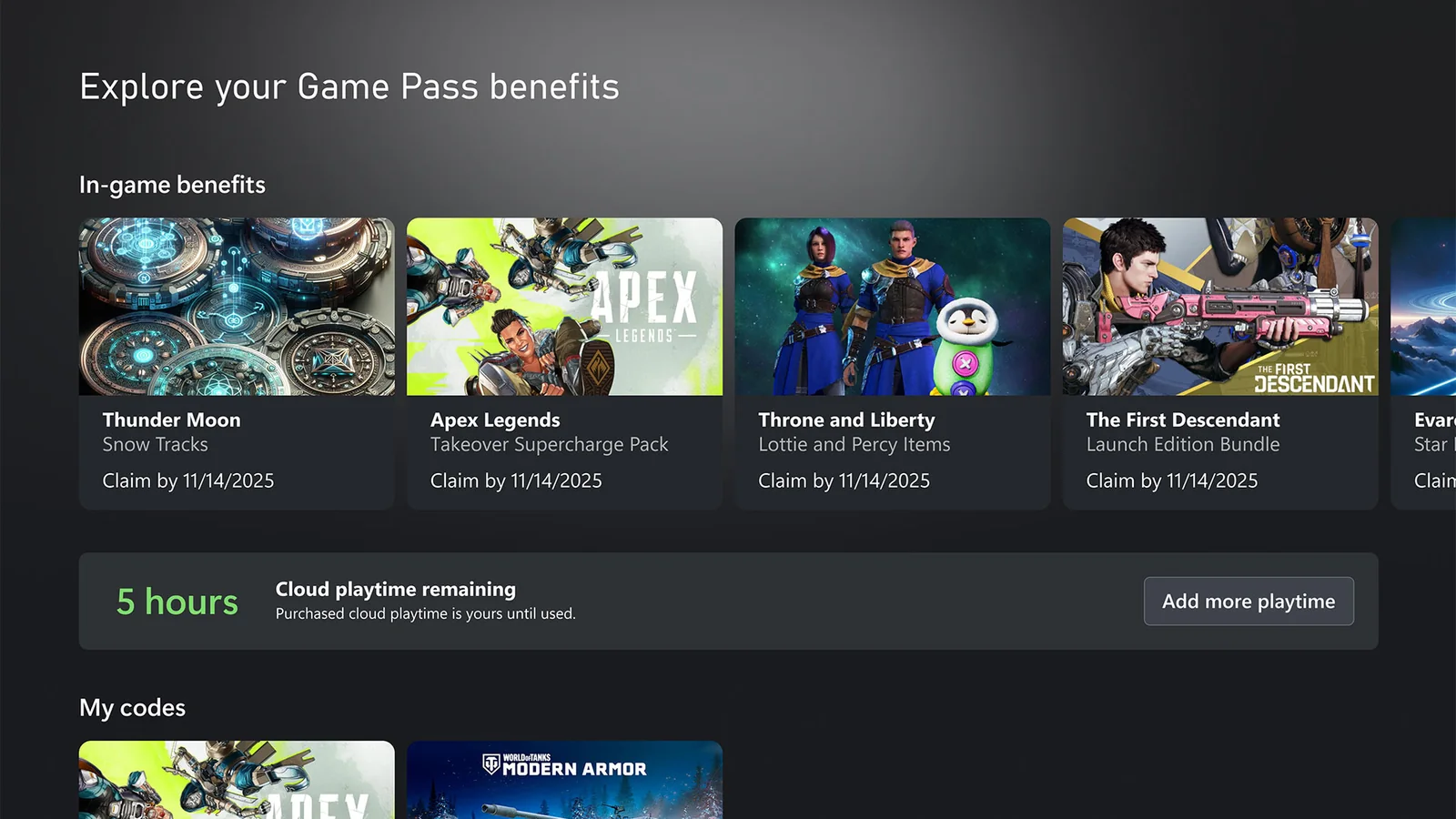
Cloud gaming remains an area where Microsoft is already making confirmed changes. The company is introducing monthly streaming limits for Game Pass members in November, with some existing auto-renewing subscribers retaining unlimited cloud access under specific conditions. Those changes show that Microsoft is willing to separate and meter parts of the Game Pass experience, but they do not verify the rumored 25-hour standalone package.
Microsoft has also been experimenting with the economics of Game Pass more broadly. Some customers have recently encountered different first-year Game Pass Ultimate prices, while the company has altered how major franchises enter the service. Call of Duty is already a notable exception to the traditional day-one strategy, although the existing catalog continues to expand, with the modern Call of Duty lineup now available through Game Pass.
Windows Central’s report leaves open the possibility that Microsoft could make additional exceptions for major releases in the future. The outlet specifically separates that analysis from its sourcing, noting that ideas such as moving expensive franchises into separate packages or higher-priced tiers remain speculation rather than confirmed plans. Its sourced claim is narrower: Microsoft is considering Game Pass changes, but the detailed 2027 structure circulating online does not represent a current finalized plan.
For now, the strongest confirmed position comes directly from Xbox: no restructuring has been finalized, and previously announced Game Pass Ultimate day-one launches remain unchanged. Combined with Windows Central’s sourcing, that significantly weakens the specific 2027 leak while leaving the broader question of how Microsoft will reshape Game Pass unresolved.
