


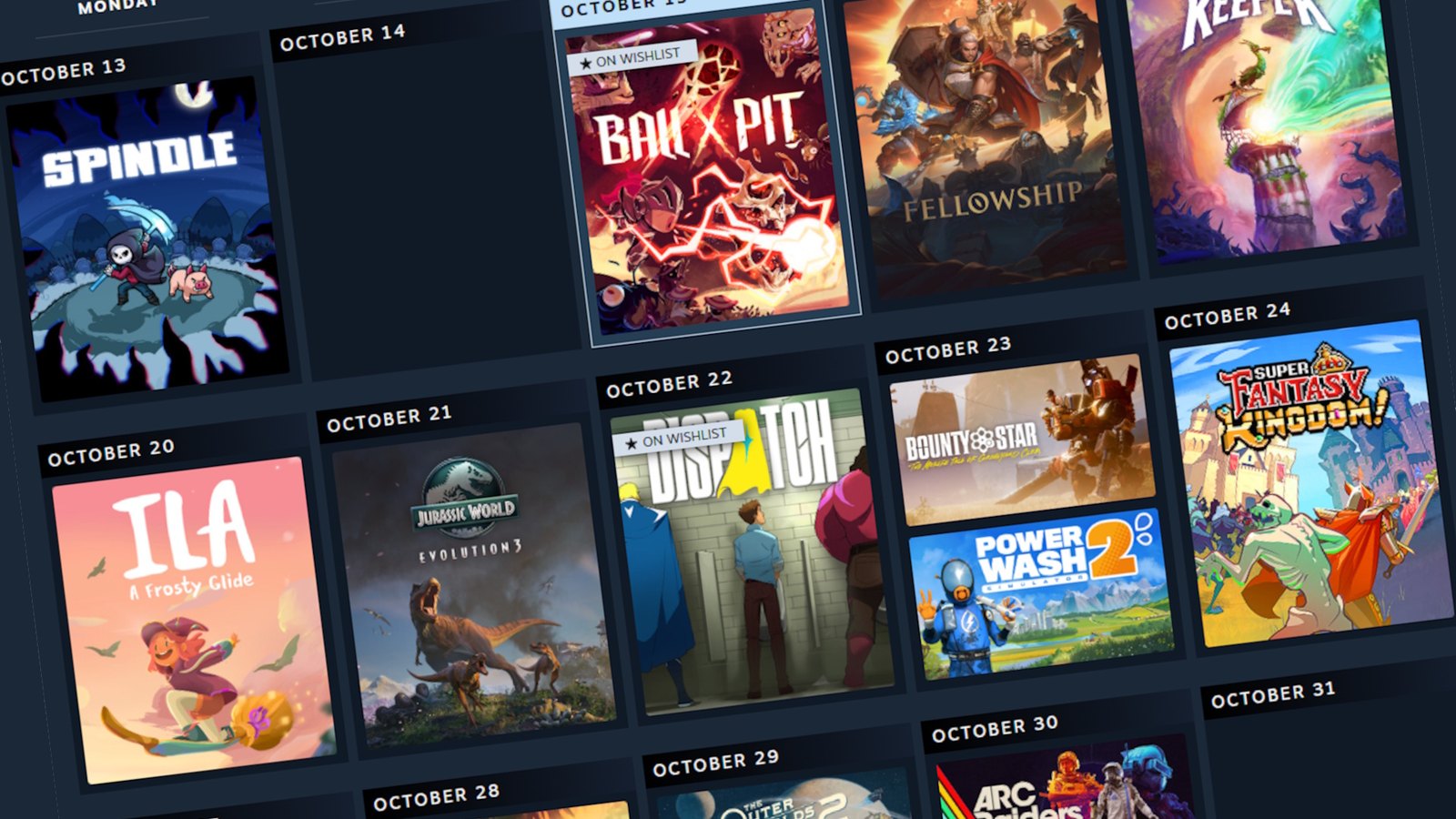
Valve has officially launched Steam’s Personal Calendar as a full Steam Store feature, moving the personalized game discovery tool out of Steam Labs. The October 23, 2026 update makes the calendar a permanent part of Steam, helping players discover recently released and upcoming PC games based on their gaming habits.
The announcement follows approximately a year of testing after the feature first appeared as a Steam Labs experiment in October 2025. Valve has also published new Steamworks documentation explaining how recommendations are generated and how developers can make their games eligible to appear.
Steam’s Personal Calendar is accessible directly from the Steam Store homepage or through its dedicated Personal Calendar page. The homepage version highlights recent and upcoming releases, while the expanded calendar covers eight weeks of games, allowing players to browse individual release dates and open their corresponding store pages.
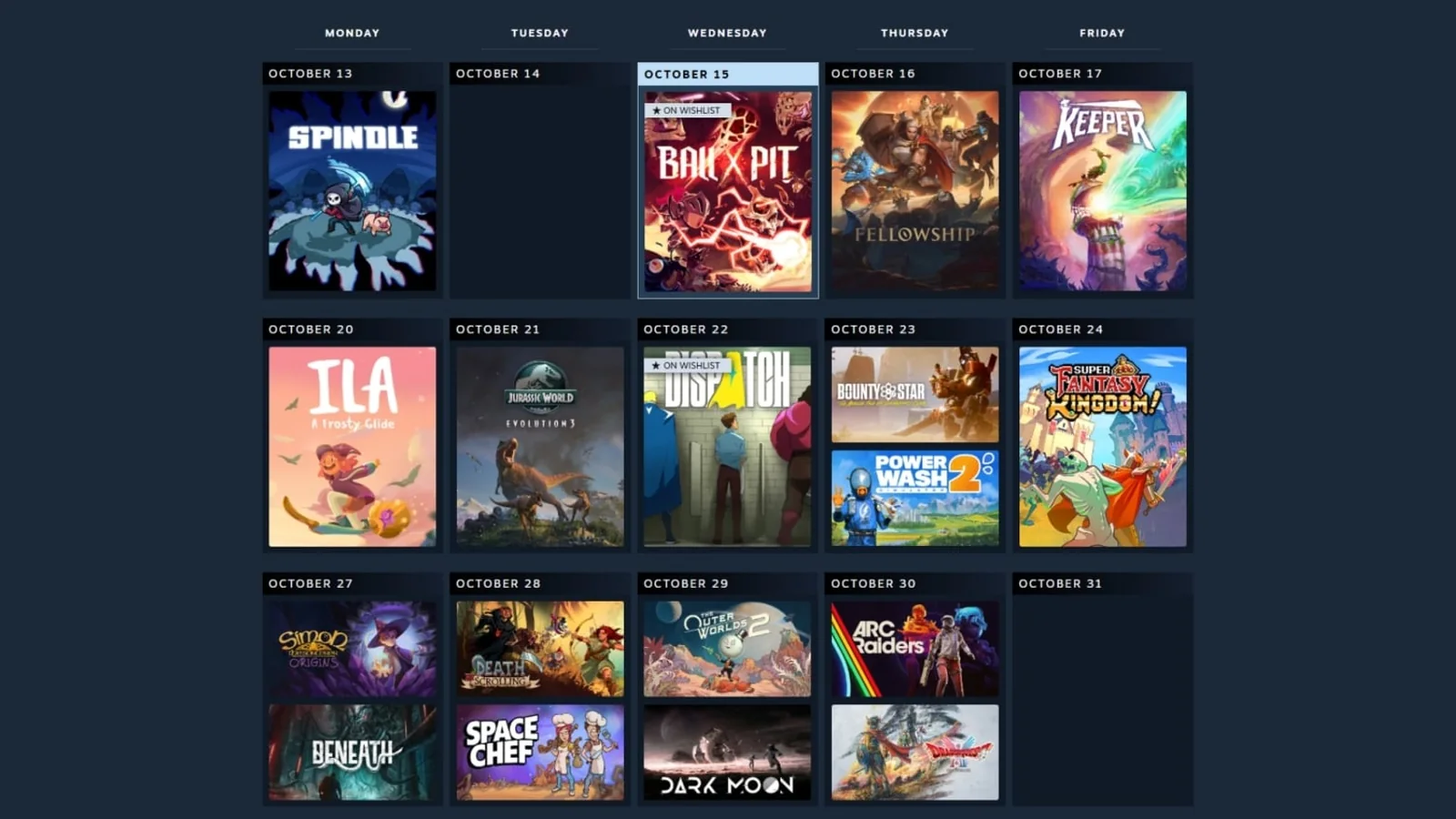
Unlike a conventional release calendar that displays every upcoming game, Steam’s version selects titles based on individual preferences. It analyzes games players spend significant time playing, identifies other users with similar playtime patterns, and examines which games those users have played or added to their wishlists.
Valve says the recommendation system places greater weight on games users regularly play rather than titles they briefly try. Spending a few minutes with an unfamiliar game is therefore unlikely to substantially change recommendations, while investing considerable time in a new favorite can influence future suggestions.
The system is retrained daily using updated player activity and wishlist information. However, Valve cautions that recommendations will not necessarily change significantly every day. New games are expected to appear as the calendar’s eight-week window advances and developers confirm additional release dates.
The feature also complements Steam’s existing discovery tools, including the Discovery Queue and personalized store recommendations. Players can use the calendar to explore upcoming releases beyond the games receiving the most attention on Steam’s main storefront. This is particularly relevant as events such as Steam Next Fest highlight upcoming PC games through playable demos and developer showcases.
For developers, Valve has outlined specific requirements for appearing in the Personal Calendar. Eligible games must have a publicly visible Coming Soon store page with a specific release date. This requirement applies to both new game launches and titles preparing to leave Early Access for version 1.0.
Valve recommends setting a release date at least 60 days in advance to maximize eligibility for the dedicated calendar page, or at least three weeks ahead for the homepage calendar. Newly eligible games can begin appearing within approximately one day.
Importantly, developers do not need to reach a minimum number of wishlists to qualify. Although higher wishlist activity can increase the likelihood of appearing in recommendations, the system considers individual player interests rather than simply ranking games by overall popularity.
Valve also confirms that calendar placements are entirely automated. Developers cannot pay for inclusion or request manual placement, giving smaller releases an opportunity to appear alongside more established games when their audiences share relevant gaming interests.
There are restrictions on release-date changes. If a developer postpones a game’s launch by more than 24 hours while it is within two weeks of release, the game will be removed from the calendar until it launches. Standalone demos are not eligible, although downloadable content can appear for players who already own the associated base game.
Valve says players click through to more than 2,000 different games from the Personal Calendar during an average 24-hour period. The figure represents distinct games receiving clicks through the feature, rather than the number of players using it.
With the experimental period concluded, the Personal Calendar is now an established Steam Store discovery feature, offering players a personalized view of upcoming releases while giving developers another automated route to reach potentially interested customers.
