


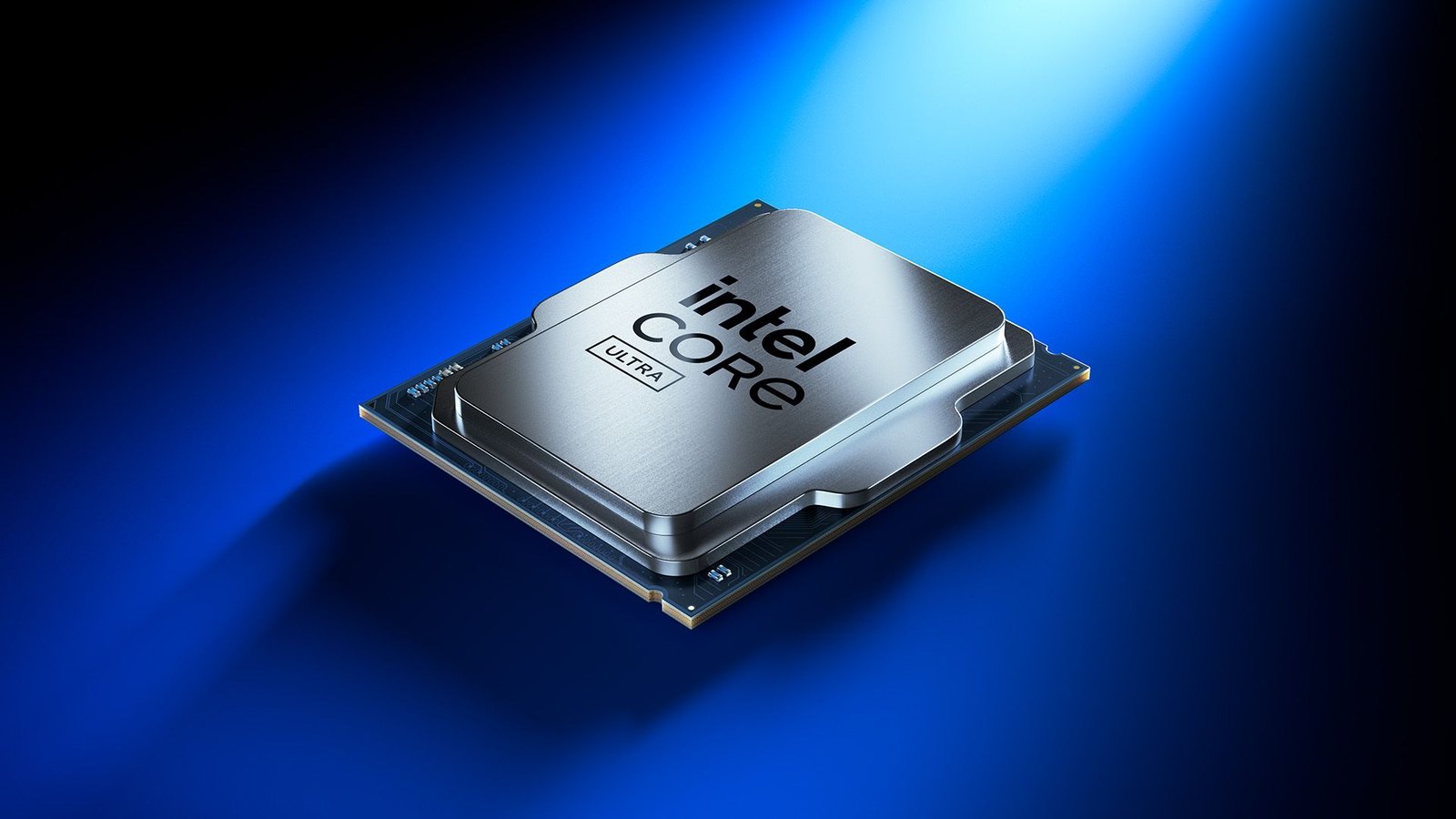
Microsoft is preparing Windows 11 to support Intel’s Advanced Performance Extensions (APX), with a new setting appearing in an experimental Insider build ahead of the expected arrival of compatible Nova Lake processors. The feature is designed to improve how CPUs execute software, although current consumer processors cannot take advantage of it.
The APX option has appeared in Windows 11 Insider Preview build 29695.1001, released on October 23, 2026, through Microsoft’s Experimental (Future Platforms) channel. Windows enthusiast Xeno shared evidence of the setting, which allows users to enable APX and requires a system restart.
The setting includes the description “Let Windows use APX for better performance,” indicating that Microsoft is preparing operating system support for the instruction set. However, the feature remains experimental, and Microsoft has not announced when it will become available in a stable Windows 11 release.
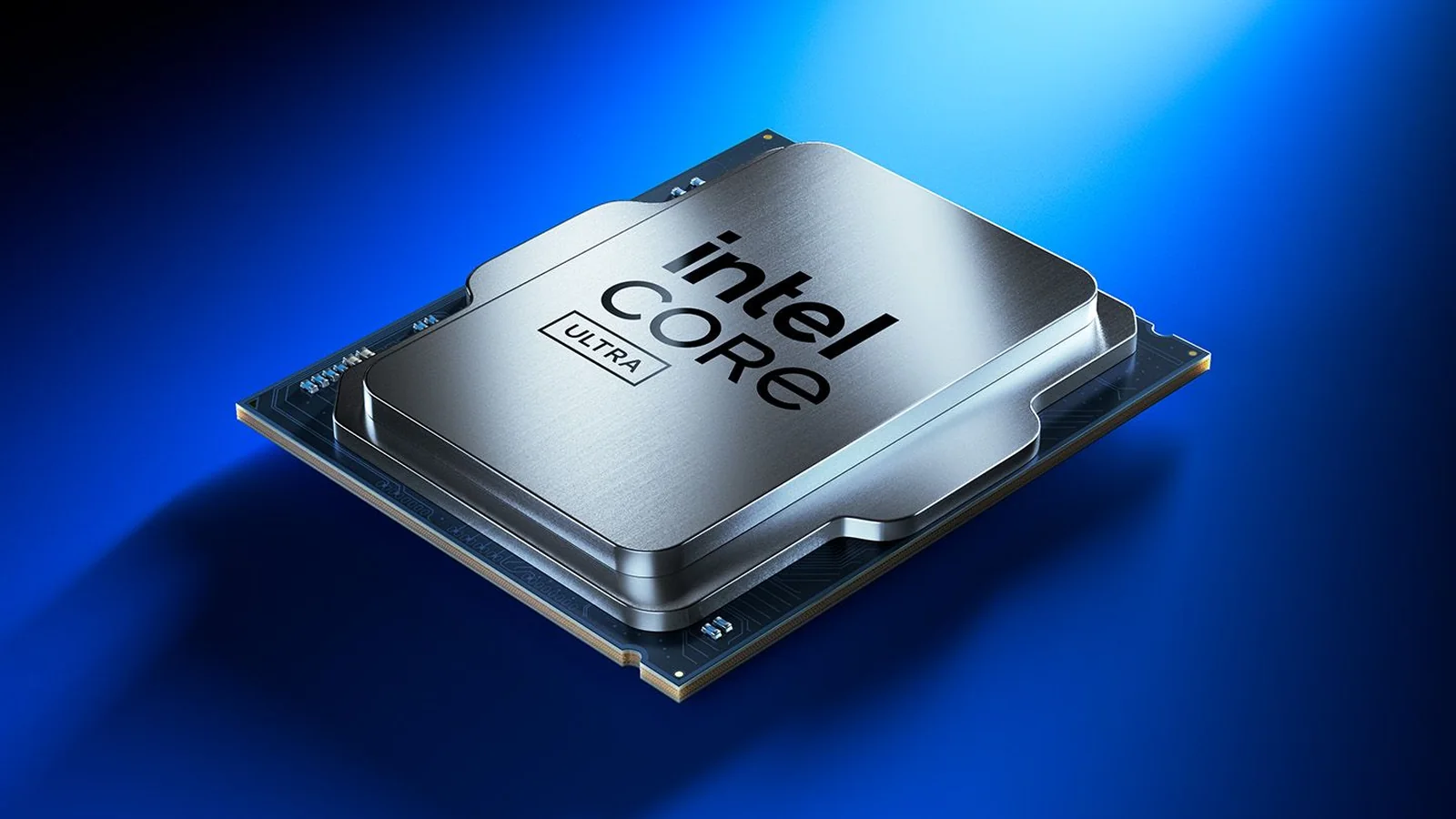
Microsoft’s official release notes confirm the availability of build 29695.1001 but do not specifically mention APX. The newly discovered setting therefore provides evidence of ongoing integration rather than a formal announcement of completed support.
Intel APX extends the existing x86-64 instruction set by introducing additional general-purpose registers and instructions intended to improve execution efficiency. One of its most significant changes is doubling the number of general-purpose registers from 16 to 32.
CPU registers provide extremely fast storage for values used during processing. Increasing their number allows compilers to keep more information directly inside the processor, potentially reducing the need to move data between registers and memory.
According to Intel’s technical documentation, software compiled with APX can contain approximately 10% fewer instructions, 10% fewer memory loads and more than 20% fewer memory stores compared with equivalent code compiled for the conventional Intel 64 instruction set.
These figures describe changes in generated code rather than equivalent improvements in application performance. A 10% reduction in instructions does not mean a game or application will run 10% faster.
APX also introduces additional conditional instructions intended to reduce unnecessary operations and improve efficiency in workloads affected by branch prediction. Intel says developers can take advantage of the extensions by recompiling existing applications, generally without modifying their source code.
For consumer PCs, Intel’s upcoming Nova Lake processor family is expected to introduce APX-capable hardware. The architecture is also being prepared for Intel’s Diamond Rapids Xeon processors.
Nova Lake is particularly relevant to desktop enthusiasts because the upcoming Nova Lake-S desktop processor lineup has already appeared in AIDA64 identification data under Intel’s expected Core Ultra 4xxx naming scheme.
Intel’s Nova Lake-HX laptop processors are also expected to adopt Core Ultra 4000-series branding, although the naming information does not independently establish which individual processors will support APX.
Existing Intel processor families, including Alder Lake, Raptor Lake, Meteor Lake, Lunar Lake and Arrow Lake, lack APX hardware support. Installing a newer Windows 11 build cannot provide the additional registers or instructions required to enable the feature.
The distinction matters because the Windows setting is not a conventional performance optimization that can be applied to every PC through a software update. APX requires compatible processor hardware, operating system support and software capable of using the expanded instruction set.
For gaming PCs, the potential benefits will depend on how developers and game engines use the new instructions. APX could improve efficiency in some CPU-intensive workloads, but its impact on actual gaming performance remains unproven.
Neither Microsoft nor Intel has published gaming benchmarks demonstrating frame-rate improvements from APX in Windows 11. Performance gains will need to be established through testing on compatible hardware using appropriately optimized software.
The appearance of APX controls in Windows 11 nevertheless shows that operating system preparations are progressing before the expected arrival of compatible consumer processors. Microsoft has not confirmed a general-release timeline for the feature, leaving its availability and practical performance benefits to be determined.
