


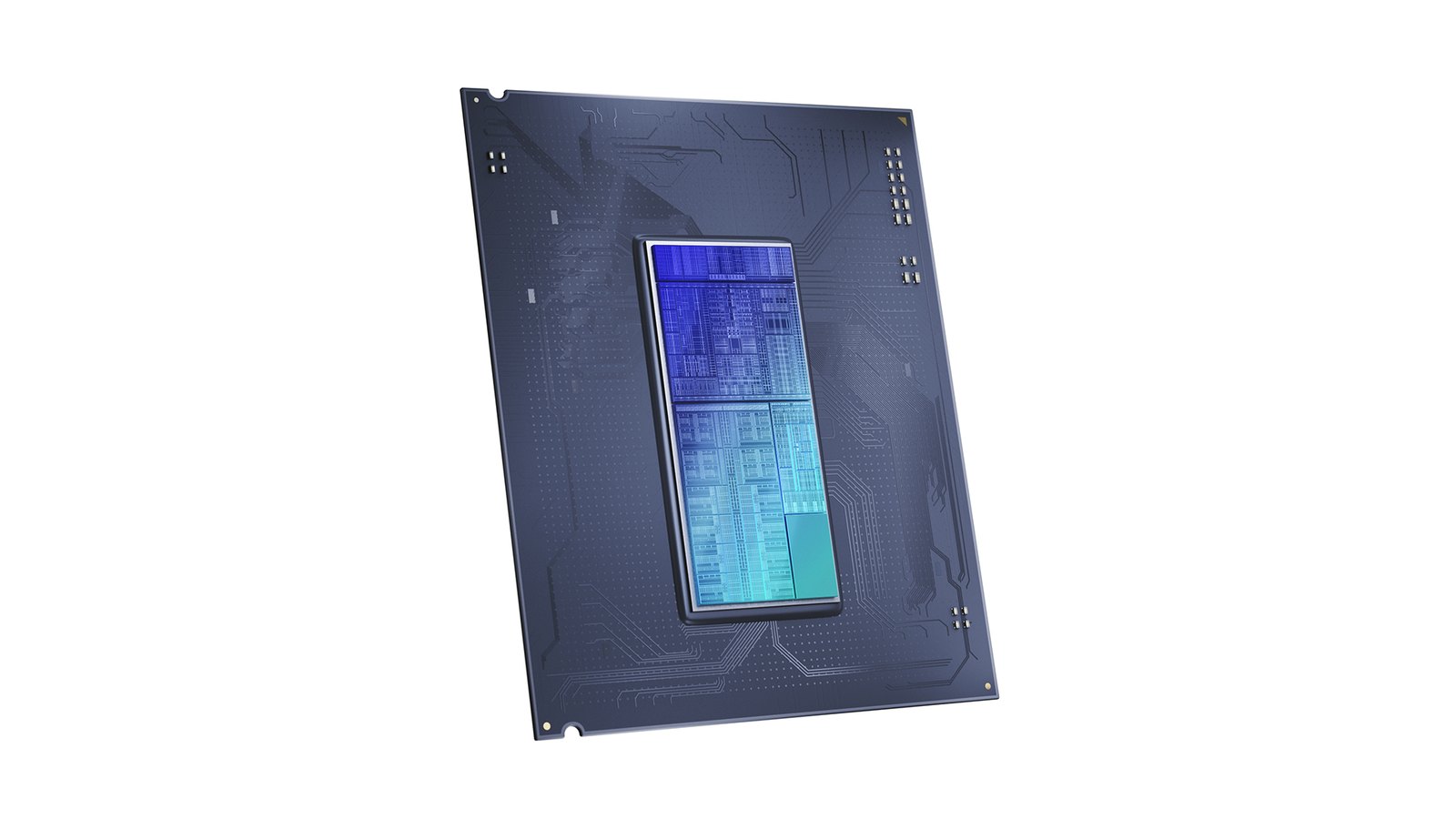
AIDA64 has added explicit identification for Intel’s upcoming Nova Lake-S desktop processors under the Core Ultra 5, Core Ultra 7 and Core Ultra 9 4xxx Series naming scheme. The reference appears in the official release notes for AIDA64 Extreme 8.40.8510 beta, released on October 5. Intel has not yet formally announced retail Nova Lake-S model names, so the software update should be treated as strong corroboration rather than an official Intel product announcement.
The wording is unusually specific. AIDA64’s developers list “identification of Intel Core Ultra 5/7/9 4xxx Series (aka Nova Lake-S)” among the changes in the latest beta, moving beyond the more generic Nova Lake support included in previous versions of the hardware-monitoring utility. AIDA64 already added improved Nova Lake CPU support and NVL-S temperature monitoring in earlier beta builds, suggesting development work around the platform has been progressing for some time.
That matters because several recent leaks have pointed toward Intel returning to four-digit model numbers for its next desktop generation. A leaked product table earlier this month listed chips such as the Core Ultra 9 4970K BFC, Core Ultra 9 4950K, Core Ultra 7 4870K BFC and Core Ultra 5 4650K. None of those individual SKUs has been officially confirmed by Intel, and AIDA64’s release notes do not mention specific processor numbers, but the utility now independently uses the broader Core Ultra 4xxx naming structure.
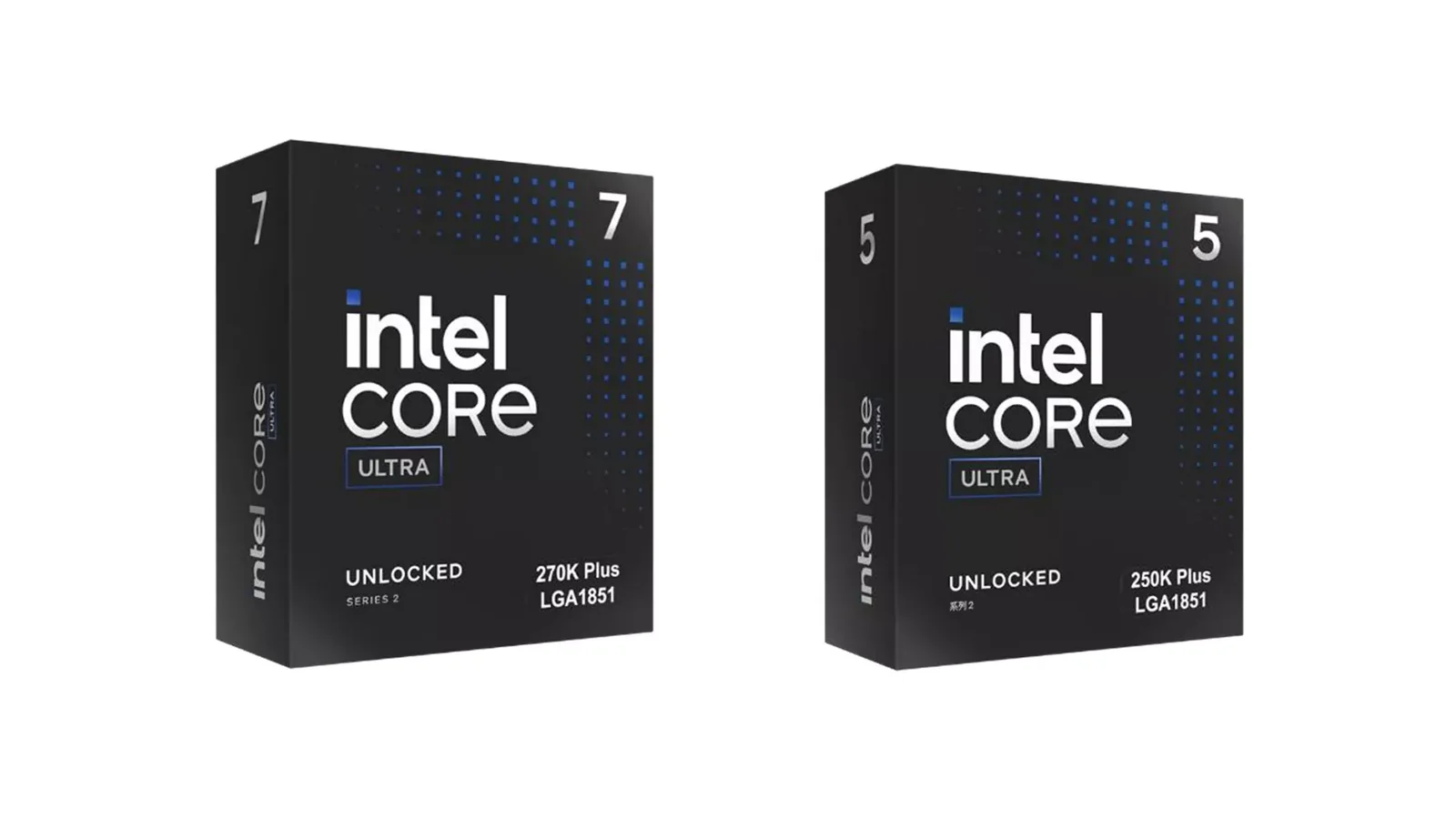
The change also lines up with reports about Intel’s high-performance mobile processors. Nova Lake-HX is also expected to use four-digit Core Ultra 4000-series names, while mainstream Nova Lake mobile chips are reportedly set to retain a three-digit numbering system. If that information holds, Intel would effectively divide the Nova Lake family between four-digit desktop and HX products and three-digit mainstream mobile processors.
Nova Lake-S is expected to succeed Arrow Lake-S as Intel’s next major desktop platform. Leaked configurations point to combinations of performance cores, efficiency cores and additional low-power efficiency cores, with some variants also reportedly carrying substantially enlarged last-level cache. Those higher-cache models have appeared with the “BFC” suffix in recent leaks and are widely expected to target high-end gaming performance, although Intel has not confirmed either the suffix or the associated cache specifications.
One leaked configuration lists the Core Ultra 9 4970K BFC with eight performance cores, 16 efficiency cores and four low-power efficiency cores for 28 total CPU cores. Other reported models include 24-core Core Ultra 7 variants and 22-core Core Ultra 5 processors. Some leaks also point to as much as 144MB of L3 cache on the highest-cache model, which would mark a significant shift in Intel’s approach to desktop gaming CPUs if the specification reaches retail hardware.
The platform is also expected to introduce a new desktop socket, with reports consistently pointing toward LGA1954. That would mean Nova Lake-S will require new motherboards rather than dropping into existing LGA1851 systems designed for Arrow Lake. Final chipset support, memory specifications, power limits and motherboard compatibility remain unconfirmed until Intel formally details the platform.
AIDA64’s involvement is notable because hardware-diagnostic utilities generally require processor identification data before products reach consumers. That does not make every pre-release label immutable, as names and specifications can still change before launch, but explicit support for an unreleased processor family can provide useful evidence when it matches other independent leaks. In this case, the reference strengthens the case that four-digit Core Ultra 4xxx branding is not simply the result of one leaked roadmap or engineering sample.
Intel is expected to bring Nova Lake-S to market in 2027, with current reports pointing toward the first part of the year. Until Intel announces the lineup itself, exact model names, specifications and launch timing remain unofficial. The latest AIDA64 beta nevertheless gives the Core Ultra 4xxx naming scheme another substantial piece of evidence and makes Intel’s next desktop branding direction increasingly difficult to dismiss as speculation alone.
