


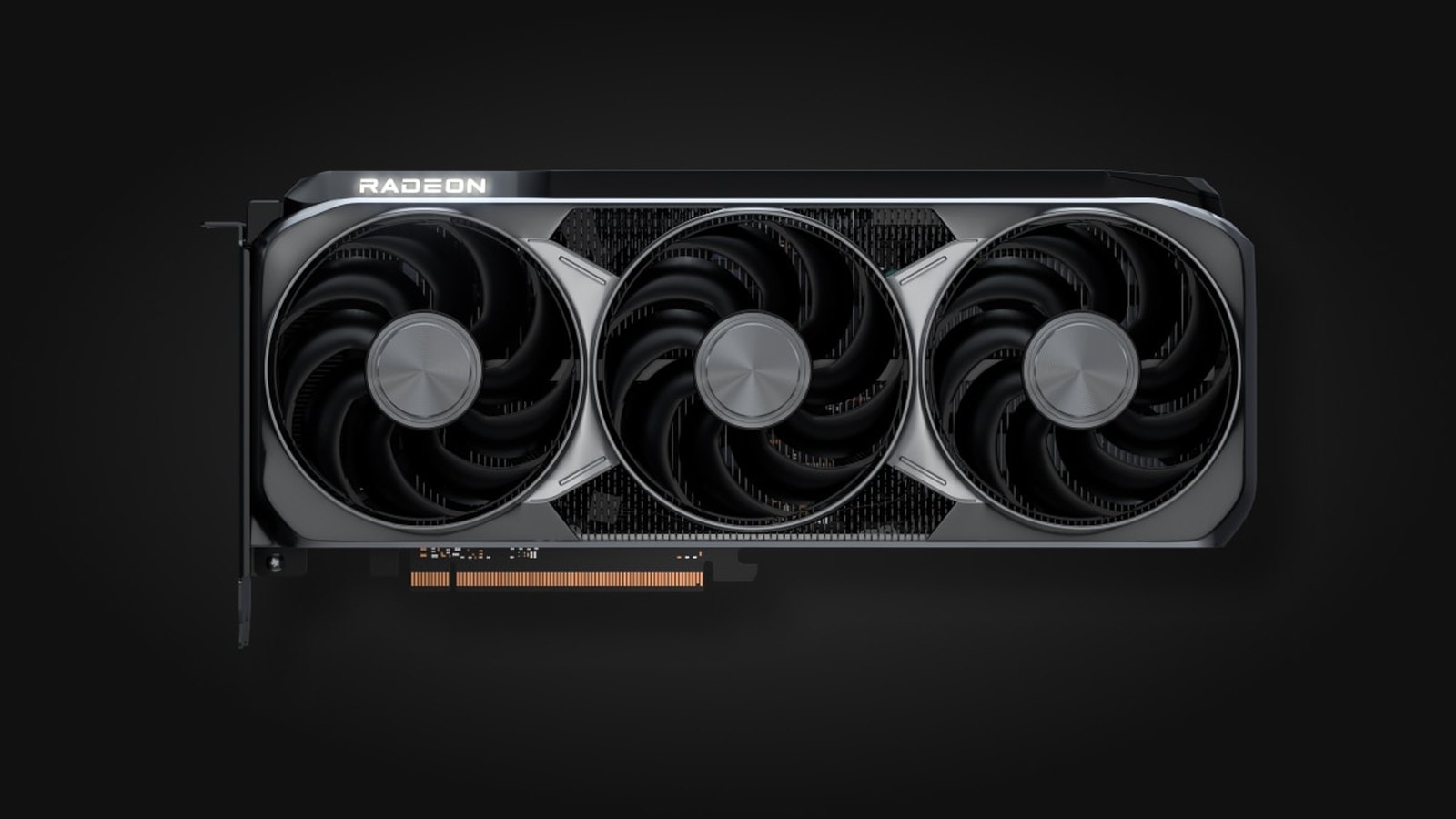
Developer Daniel Blanco has released version 0.8.0 of DLSS-NR-on-AMD, an unofficial modification that brings Nvidia’s major DLSS graphics technologies to AMD Radeon GPUs. The update adds DLSS Super Resolution, Ray Reconstruction and Frame Generation alongside the project’s existing DLSS 5 Neural Rendering support, expanding its capabilities beyond earlier experimental demonstrations.
According to the project’s GitHub documentation, the complete feature set now supports AMD’s Radeon RX 7000 and RX 9000 series, based on RDNA 3 and RDNA 4 architectures. Radeon RX 6000 cards based on RDNA 2 are also supported experimentally, although they currently have access to Neural Rendering rather than the full suite. The developer plans to bring additional features to RDNA 2 in a future release.
The project initially launched on September 3, 2026, focusing on bringing DLSS 5 Neural Rendering to Radeon hardware. Version 0.8.0 significantly expands that approach by incorporating several Nvidia technologies that would normally require compatible GeForce RTX graphics cards.
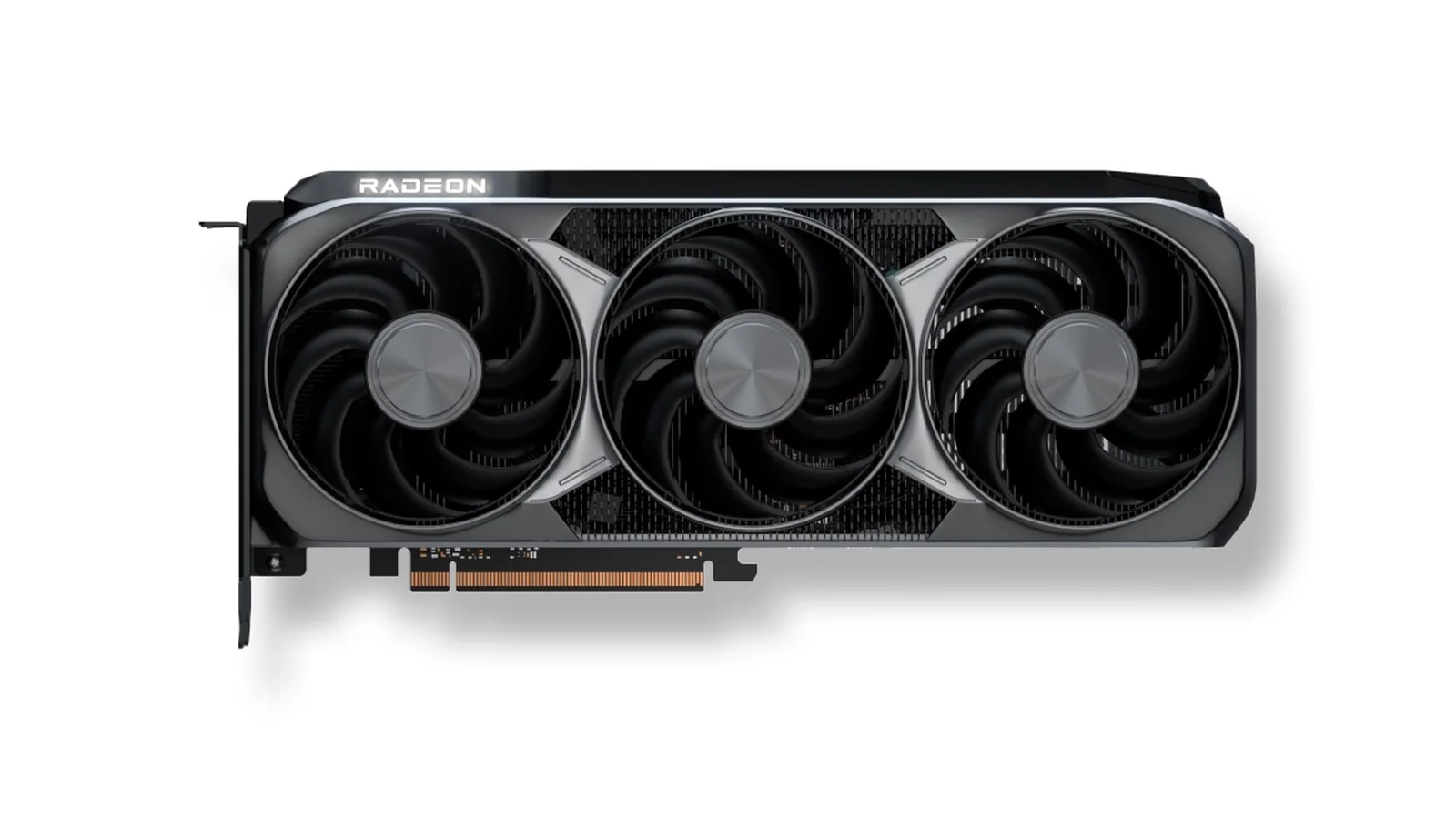
The newly supported features include DLSS Super Resolution for AI-based upscaling, DLSS Ray Reconstruction for improving ray-traced image quality, DLSS Frame Generation for generating additional frames, and DLSS 5 Neural Rendering for AI-assisted graphics processing. The implementation also includes AMD FSR Super Resolution, while support for FSR Frame Generation and Ray Regeneration is planned for a later update.
Rather than translating Nvidia’s original runtime instructions directly, Blanco describes the project as a ground-up reimplementation of the neural network runtime for AMD architectures. It uses custom HIP compute kernels, memory management and game integration to execute the models on Radeon hardware. The developer states that the project’s own code does not contain Nvidia’s proprietary software or model data.
Version 0.8.0 also introduces NeuralHub, a graphical management application designed to simplify installation and configuration. The application scans for compatible games, installs the necessary mod loader and lets users configure individual graphics features. An in-game overlay provides additional controls without requiring players to exit the game.
The mod targets DirectX 12 games that already support DLSS, AMD FSR or Intel XeSS. Players enable one of those upscaling technologies through the game’s graphics settings, allowing the modification to use the existing rendering pipeline. DLSS Frame Generation currently requires additional GPU spoofing and compatible frame-generation inputs.
Installation requires Windows 11, AMD Adrenalin driver 26.1.1 or newer and user-supplied copies of the relevant Nvidia DLSS DLL files. NeuralHub can import these files for Neural Rendering, Super Resolution, Frame Generation and Ray Reconstruction. Vulkan and Linux compatibility are planned but are not currently supported.
Performance has also improved compared with earlier versions. Blanco reports approximately 90–100 FPS at 1080p on a Radeon RX 9070 XT using the full HT Neural Rendering model. However, the project’s documentation does not establish that this result applies across different games, graphics settings or GPU configurations.
The developer says the rendered output is approaching the quality achieved on native Nvidia hardware, although some effects remain incomplete. His longer-term performance target is to match the GeForce RTX 5070 Ti, but that remains a development goal rather than a demonstrated result.
Early community testing has produced mixed results. One Radeon RX 9070 XT user reported no measurable frame-rate reduction when enabling DLSS Ray Reconstruction in Cyberpunk 2077 at 1440p with maximum graphics settings and path tracing. Other users have reported smaller frame-rate losses or performance reductions approaching 25%, depending on the game and configuration.
Compatibility remains another limitation. Community reports identify games such as Alan Wake 2, Resident Evil Requiem and Pragmata as problematic with the current implementation. Games using anti-cheat protections may also block the modification’s DLL files, making it unsuitable for many protected multiplayer environments.
The update follows earlier DLSS 5 modification experiments in The Witcher 3, which demonstrated substantial performance improvements from newer neural rendering software in unsupported configurations. Blanco’s project takes a different approach by bringing multiple DLSS technologies to AMD hardware rather than focusing on individual games or Nvidia GPUs.
Other community projects have also explored expanding modern graphics features through modifications, including native DLSS and FSR support added to GTA IV through a separate rendering modification.
DLSS-NR-on-AMD remains an unofficial, experimental project without endorsement from Nvidia or AMD. Although version 0.8.0 substantially expands the features available to Radeon owners, full compatibility and consistent performance have not been established. For RX 6000 users in particular, the current release remains a limited test implementation rather than a complete alternative to native DLSS support.
