


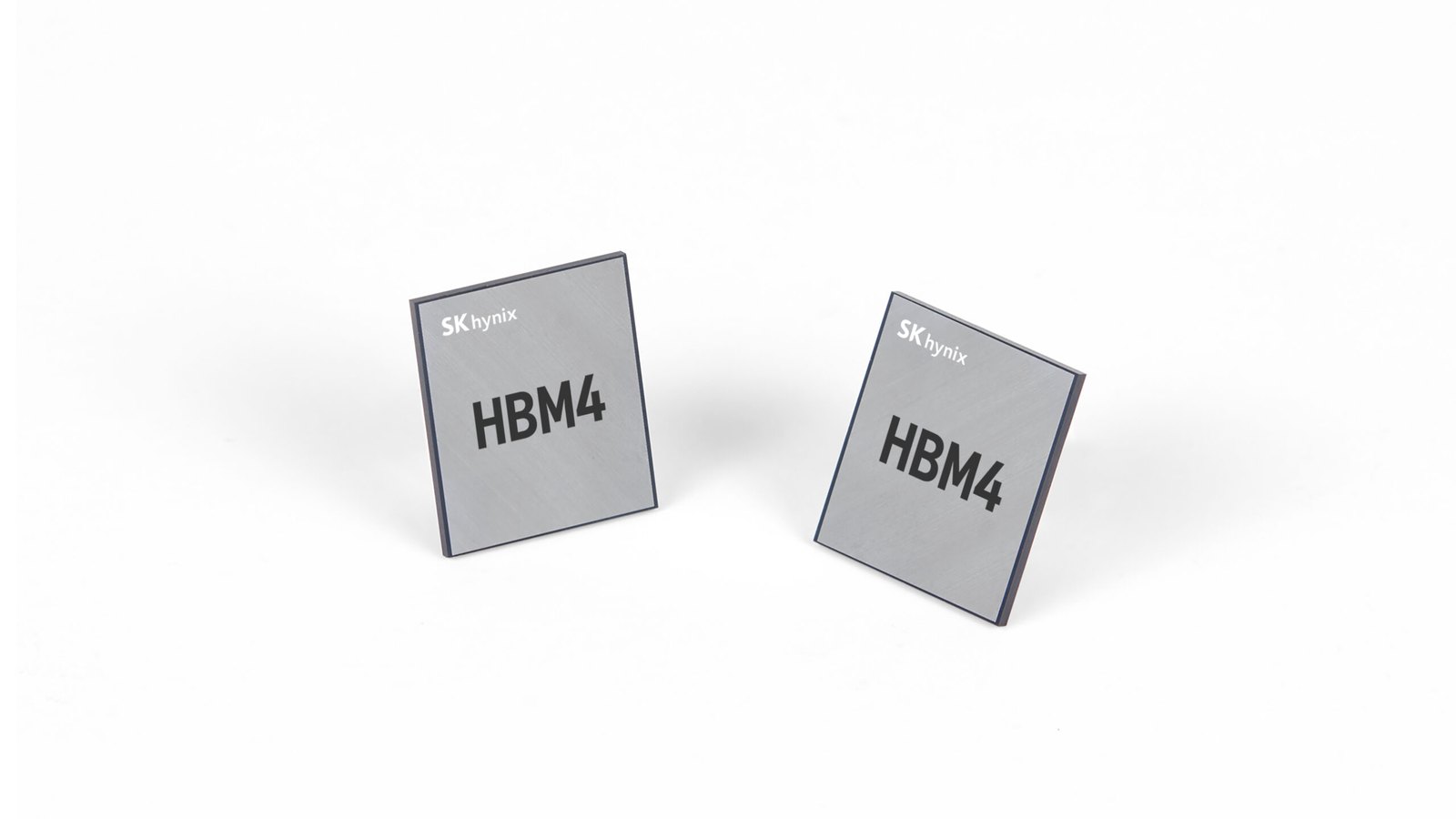
SK Hynix says its DRAM and high-bandwidth memory (HBM) production is effectively sold out through 2029, as strong demand from artificial intelligence infrastructure continues to strain the global memory market. The South Korean manufacturer disclosed the outlook during its October 28, 2026, third-quarter earnings conference call and expects broader memory supply shortages to persist through 2030.
The announcement raises concerns about the long-term availability and pricing of DDR5 memory used in gaming desktops, laptops, and other consumer PCs. Although SK Hynix has not announced specific retail RAM price increases, its latest forecast indicates that supply constraints could remain a factor for PC builders over the coming years.
SK Hynix explained that its sold-out outlook combines production volumes already committed through long-term supply agreements with demand currently under detailed negotiations with customers. These ongoing negotiations reflect concrete purchasing plans that the company considers highly likely to materialize.
Importantly, this does not mean every memory chip SK Hynix will manufacture through 2029 has already been purchased under a binding contract. The company’s assessment includes expected future orders alongside confirmed commitments.
SK Hynix has signed long-term supply agreements with 14 major customers, including leading global cloud service providers. These agreements already cover more than 50% of its total production capacity for 2027 and 2028.
The manufacturer intends to retain flexibility over its remaining production capacity, allowing it to respond to market conditions and demand for newer memory technologies. Nevertheless, the scale of existing commitments highlights how much manufacturing output is being secured years in advance.
AI infrastructure is a major driver of this demand. HBM is particularly important for AI accelerators, which require substantial memory bandwidth to process large workloads. SK Hynix indicated during its earnings disclosures that customer demand for HBM exceeds its available supply by more than twofold.
The pressure extends beyond specialized AI memory. SK Hynix reported significant growth in server DDR5 sales during the third quarter, demonstrating how expanding data center infrastructure is also driving demand for conventional DRAM technologies.
For gaming PC buyers, the distinction matters because DDR5 memory serves both consumer desktops and enterprise systems. Although server modules and consumer RAM kits have different specifications and target markets, they belong to the wider DRAM manufacturing ecosystem.
Strong demand for higher-value server products can influence manufacturers’ production priorities and the capacity available for other memory segments. This creates a potential risk of sustained pricing pressure and tighter availability for consumer DDR5 kits, although the actual effect will depend on future production decisions, demand, and retail market conditions.
The latest warning reinforces concerns about a prolonged memory supply imbalance. Micron has separately indicated that memory supply could remain tight through 2028, while major Chinese technology companies have reportedly pursued long-term DRAM supply agreements to secure future capacity.
SK Hynix’s outlook now extends the potential shortage timeline into 2030, reflecting the difficulty of expanding semiconductor manufacturing capacity quickly enough to match rising demand.
The company attributed the imbalance partly to the technical complexity of advanced manufacturing processes and the lengthy construction timelines required for new semiconductor facilities.
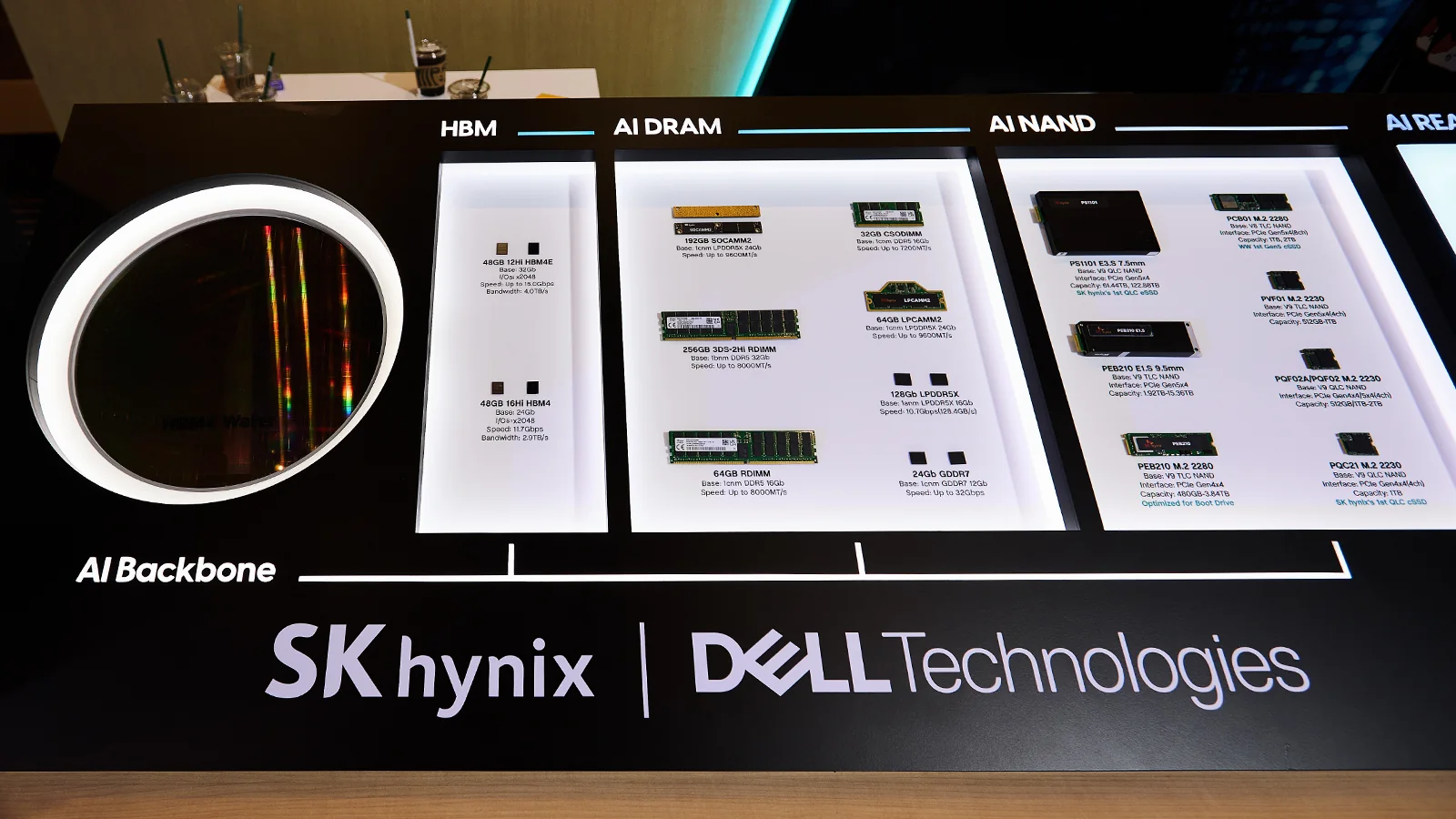
SK Hynix plans to expand production in response. Its M15X facility is expected to reach maximum capacity by the end of 2026, supporting increased HBM4 manufacturing. The company also intends to accelerate adoption of its sixth-generation 10nm-class manufacturing process, known as 1c, while expanding its DDR5 and LPDDR5 SOCAMM offerings for AI servers.
HBM4 shipments have already increased, and SK Hynix expects the newer technology to surpass HBM3E in both shipment volume and revenue during the fourth quarter of 2026.
Investment in additional manufacturing infrastructure is also scheduled to increase significantly in 2027, including expansion associated with the Yongin semiconductor complex.
The strength of the memory market was reflected in SK Hynix’s third-quarter financial results. Revenue reached 104.62 trillion South Korean won, up 32% from the previous quarter and 328% year over year. Operating profit climbed to 83.33 trillion won, representing an operating margin of approximately 80%, while net profit reached 39.78 trillion won.
These results reflect rising memory prices and strong sales of high-value products, particularly those serving AI infrastructure.
For consumers planning a DDR5 upgrade or a new gaming PC build, the company’s announcement does not establish that retail RAM will become unavailable or that prices will rise by a particular amount. Its sold-out assessment concerns expected manufacturing demand and supply commitments, not the immediate stock levels of consumer memory kits.
However, with SK Hynix forecasting a structural supply imbalance through 2030, the possibility of prolonged pressure on PC memory prices remains a significant consideration for the broader hardware market.
