


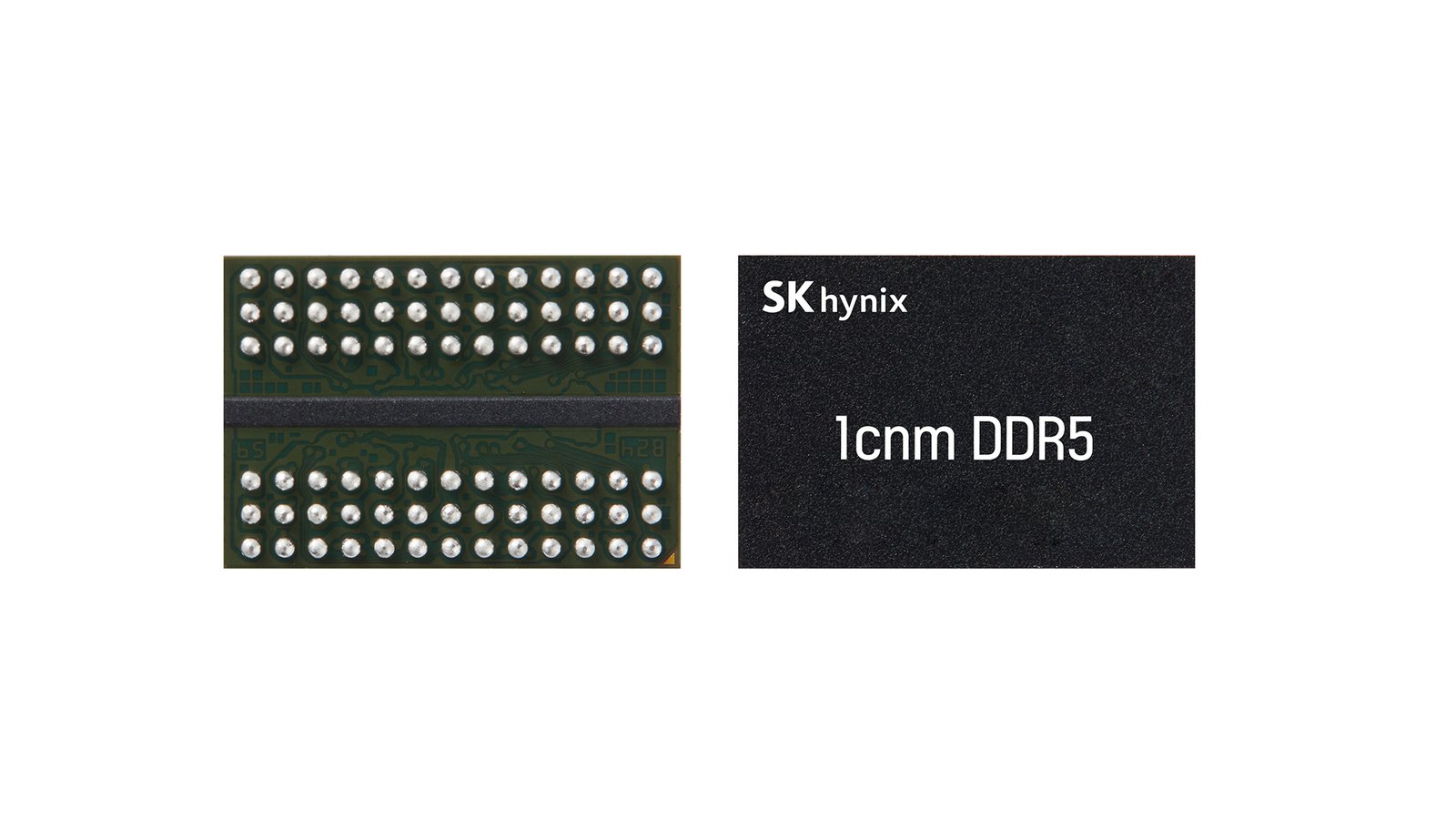
Chinese technology giants Alibaba, Tencent and ByteDance are reportedly seeking memory supply agreements lasting up to 10 years with Samsung Electronics and SK hynix as competition for DRAM intensifies. The proposed arrangements would extend well beyond typical industry contracts and could add to concerns about memory availability for consumer PCs.
South Korea’s Maeil Business Newspaper reported on October 27, 2026, citing semiconductor industry sources, that the three companies have approached the Korean memory manufacturers about long-term supply agreements for server memory. Some prospective customers are reportedly requesting commitments extending through 2035, compared with the usual three-to-five-year contract periods.
The discussions reportedly cover server-grade DDR memory and low-power LPDDR DRAM, both increasingly important for artificial intelligence infrastructure. However, neither the proposed 10-year agreements nor their individual terms have been publicly confirmed. It is also unclear which companies are specifically requesting the longest contracts.
The reported negotiations come as major American cloud providers have already secured substantial memory supplies through long-term agreements.
Maeil Business Newspaper reports that Samsung has completed supply arrangements with five major global data center customers and is negotiating with five additional customers. SK hynix has reportedly concluded long-term agreement discussions with approximately 10 customers.
Industry estimates cited by the newspaper suggest that 70% to 80% of Samsung and SK hynix’s planned memory production for 2027 could be covered by existing five-year agreements with major technology companies. These figures remain estimates rather than independently verified production commitments.
The Chinese companies are now attempting to secure additional memory supplies as they expand their AI services and data center infrastructure. Their reported interest in decade-long contracts highlights the importance of predictable component availability when planning large-scale infrastructure investments.
The demand extends beyond conventional server DDR modules. LPDDR, commonly associated with smartphones, tablets and power-efficient laptops, is also attracting interest from AI server operators seeking to reduce power consumption.
This creates another source of competition for memory manufacturers supplying both enterprise infrastructure and consumer electronics.
For gaming-PC builders, the development matters because DRAM production capacity must serve multiple markets. DDR5 memory used in desktop gaming systems is not identical to specialized server configurations, but both depend on the broader DRAM manufacturing industry.
Increased demand from cloud providers, particularly when backed by multiyear supply commitments, can make it more difficult for manufacturers to respond quickly to changes in consumer memory demand. However, the reported negotiations do not establish that retail DDR5 prices will rise further or quantify any potential effect.
Memory availability has already become a significant concern across the PC hardware market. Micron has warned that memory supply constraints could persist through 2028 as AI infrastructure demand absorbs substantial manufacturing capacity.
The consequences also extend to other hardware categories. Rising component costs have contributed to concerns about memory and storage expenses for next-generation gaming consoles, although the reported PlayStation 6 cost estimates remain unconfirmed.
The latest negotiations do not mean that Alibaba, Tencent or ByteDance have secured ten years of Samsung or SK hynix production. Contract volumes, pricing, delivery schedules and final durations have not been disclosed, and the reported requests could change during negotiations.
For consumers planning gaming-PC upgrades, the development adds another indication that large AI infrastructure customers are prioritizing long-term memory procurement. Whether these discussions translate into further pressure on retail RAM prices will depend on finalized contracts, manufacturing capacity and consumer demand.
