


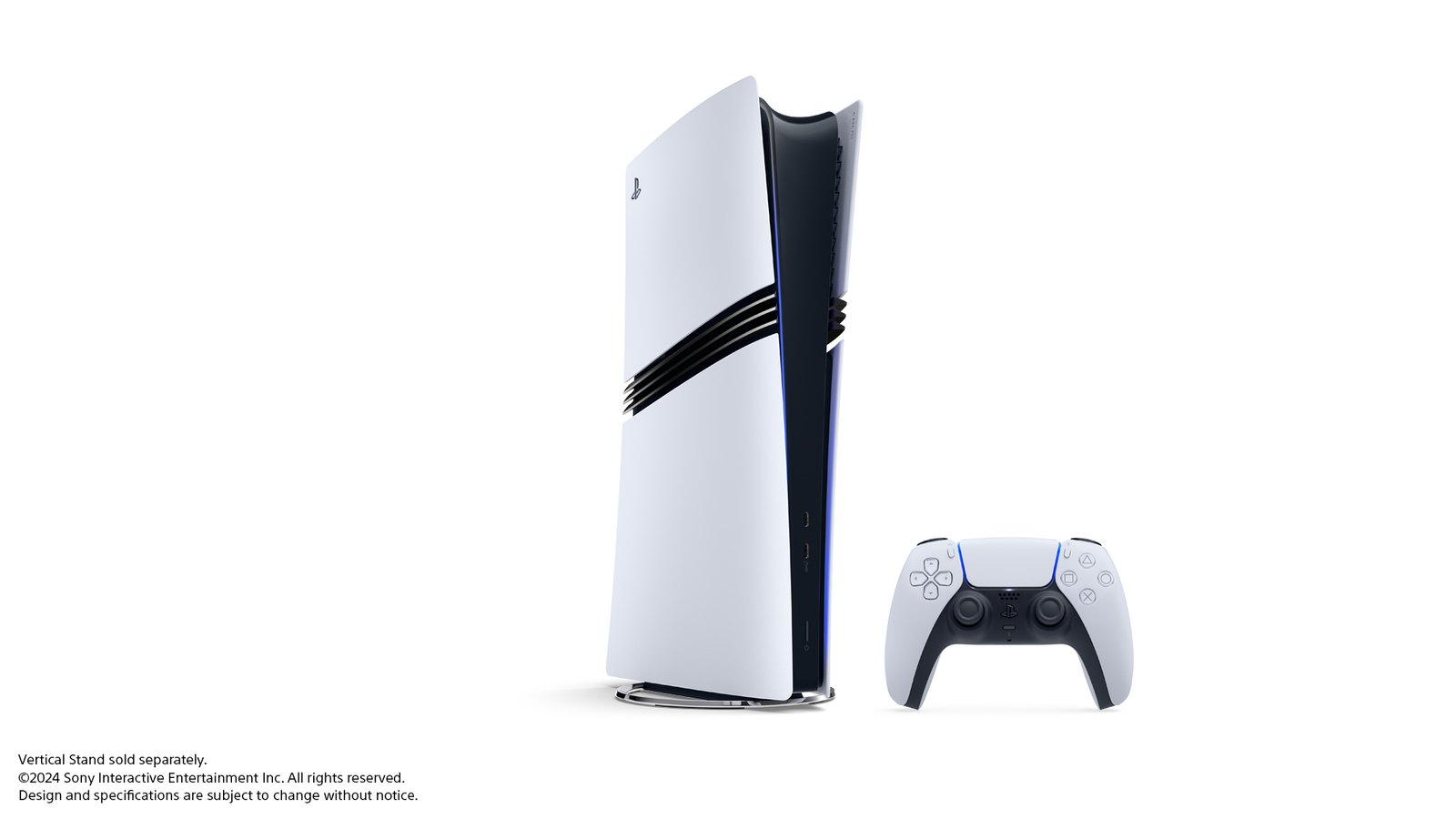
Sony’s PlayStation 6 could face substantial manufacturing costs, with hardware leaker KeplerL2 claiming that RAM and NAND storage alone now cost more than $680 per console. The estimate adds to concerns about the affordability of Sony’s next-generation hardware as memory prices continue to rise.
The claim emerged during an October 17 discussion on NeoGAF, where users were debating the PlayStation 6’s potential manufacturing costs and launch pricing. One participant suggested that Sony could release the console for approximately $680 by subsidizing its hardware costs, assuming earlier component estimates were overstated.
KeplerL2 responded with a brief statement: “RAM + NAND alone is over $680.”

The figure refers specifically to memory and flash storage components, excluding the processor, graphics hardware, cooling system, power supply and other parts required to manufacture a complete console. Sony has not confirmed the estimate, and no official PlayStation 6 component pricing has been disclosed.
The latest claim follows earlier manufacturing-cost estimates from the same leaker. In June 2026, KeplerL2 suggested that the PlayStation 6’s bill of materials had increased by approximately $200 from an earlier estimate of around $760, bringing the total close to $960.
The new $680 figure provides a more specific indication of how expensive memory and storage could become within that overall component budget. However, it does not establish the console’s current total manufacturing cost or its eventual retail price.
Memory capacity could be another factor affecting Sony’s costs. Earlier leaks from KeplerL2 suggested that the PlayStation 6 would feature 30GB of GDDR7 memory, compared with the standard PlayStation 5’s 16GB of GDDR6. That would represent an 87.5% increase in system memory capacity, although Sony has not confirmed the rumored configuration.
Rising DRAM and NAND prices have created broader cost pressures for consumer electronics manufacturers. Demand from AI infrastructure and data centers has contributed to tighter memory supplies, potentially complicating efforts to keep next-generation gaming hardware affordable.
These pressures are already relevant to the current console market. Xbox and PlayStation hardware sales declined in the United States during 2026 as console prices reached record levels. Higher component costs have also affected other gaming-related devices, including NVIDIA's Shield TV Pro, which increased to $299.
For the PlayStation 6, a sustained increase in memory costs could force Sony to reconsider its component configuration, accept lower hardware margins or charge customers more. Those remain possible outcomes rather than confirmed decisions.
Manufacturing costs also do not translate directly into retail prices. Console manufacturers can absorb part of their hardware costs and recover revenue through software sales, subscriptions and other services. Final pricing will depend on component contracts, production volumes, market conditions and Sony’s commercial strategy.
Sony has not officially announced the PlayStation 6’s specifications, launch date or retail price. KeplerL2’s latest estimate therefore remains an unverified claim, rather than confirmation that the next PlayStation will cost $1,000 or more.
