


AMD is reportedly preparing another price increase for the GPU and GDDR6 memory bundles it supplies to graphics card manufacturers in November 2026. The proposed adjustment follows earlier increases in October and could put additional pressure on retail prices for Radeon RX 9000 series graphics cards. AMD has not officially confirmed the November increase, and its exact size remains unknown.
The information originates from Chinese graphics card supply-chain publication ChannelGate, which cites sources connected to AMD’s board partners. According to the report, GDDR6 memory procurement costs increased by approximately 8% to 10% during the third quarter of 2026, prompting AMD to consider another adjustment to the prices it charges graphics card manufacturers.
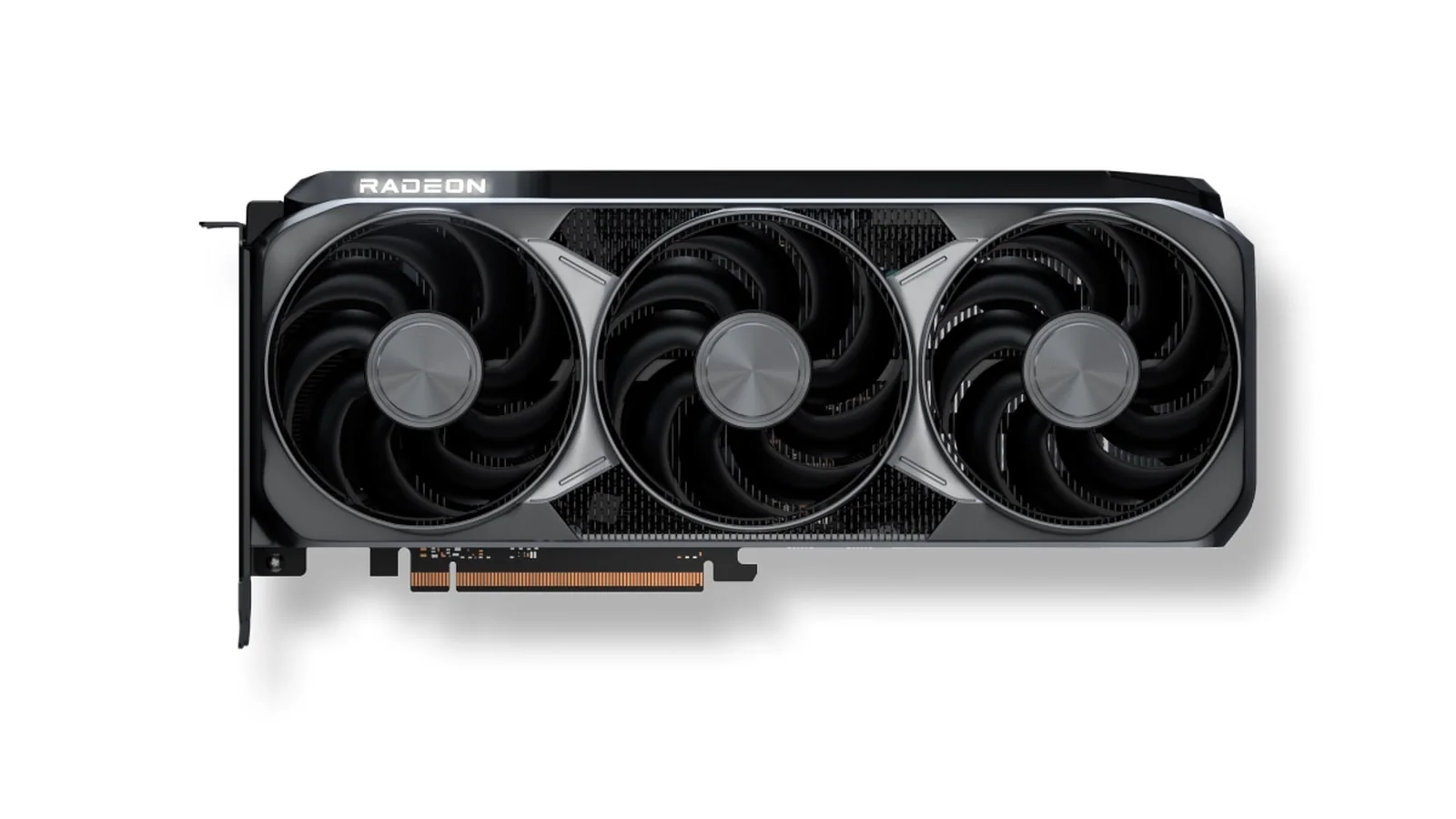
The reported increase would affect the GPU and memory packages supplied to companies that manufacture finished Radeon graphics cards. These manufacturers combine AMD’s graphics processors and memory with their own circuit boards, power delivery components and cooling systems before selling the completed products through retailers.
ChannelGate indicates that AMD has been reviewing GPU and memory procurement costs on a quarterly basis, with earlier pricing adjustments already taking effect in October. The proposed November increase would represent another round of higher component costs within the same quarter.
However, the reported 8% to 10% increase specifically concerns GDDR6 memory costs. It does not establish that AMD will raise its GPU bundle prices by the same percentage or that retail graphics cards will become 8% to 10% more expensive.
Radeon graphics card prices have already increased substantially in several markets. German hardware publication ComputerBase recorded average Radeon RX 9070 XT retail prices rising from approximately €900 at the beginning of October to more than €1,000 toward the end of the month. The Radeon RX 9070 and RX 9060 XT also experienced notable increases during the same period.
Broader graphics card pricing data indicates that the pressure extends beyond AMD. A recent international pricing analysis by Hardware Unboxed found that GPU prices across AMD, Nvidia and Intel products had increased by approximately 35% over the preceding three months.
The increases come amid wider component supply constraints affecting PC hardware manufacturers. Rising manufacturing and material costs have also raised concerns about higher prices for gaming PC components, including motherboards and other products dependent on printed circuit boards.
For gamers considering a Radeon upgrade, the November report is particularly relevant to the RX 9000 lineup, including the RX 9070 XT, RX 9070 and RX 9060 XT. These graphics cards compete across different gaming performance and price segments, making changes in retail pricing important when comparing potential upgrades.
The RX 9000 series has also demonstrated competitive gaming performance in recent testing, including Modern Warfare 4 benchmarks comparing Radeon ray tracing performance. Further price increases could change the value proposition of these GPUs relative to competing products.
Any effect on retail pricing would depend on how much of the increased procurement cost board partners and distributors choose to absorb, along with existing inventory purchased at earlier prices. Consequently, a November supplier adjustment would not necessarily translate into immediate or uniform increases at retailers.
For now, the additional Radeon price increase remains an unconfirmed supply-chain report. AMD has not announced revised November pricing for its board partners or provided a timeline for any corresponding changes to consumer graphics card prices.
