


Intel is reallocating part of its manufacturing capacity originally intended for consumer processors to increase production of data center CPUs, responding to surging demand from AI infrastructure operators. The company confirmed the shift during its October 29, 2026, earnings call, outlining plans to replace some Intel 18A production capacity in Oregon with Intel 3 manufacturing resources for server processors.
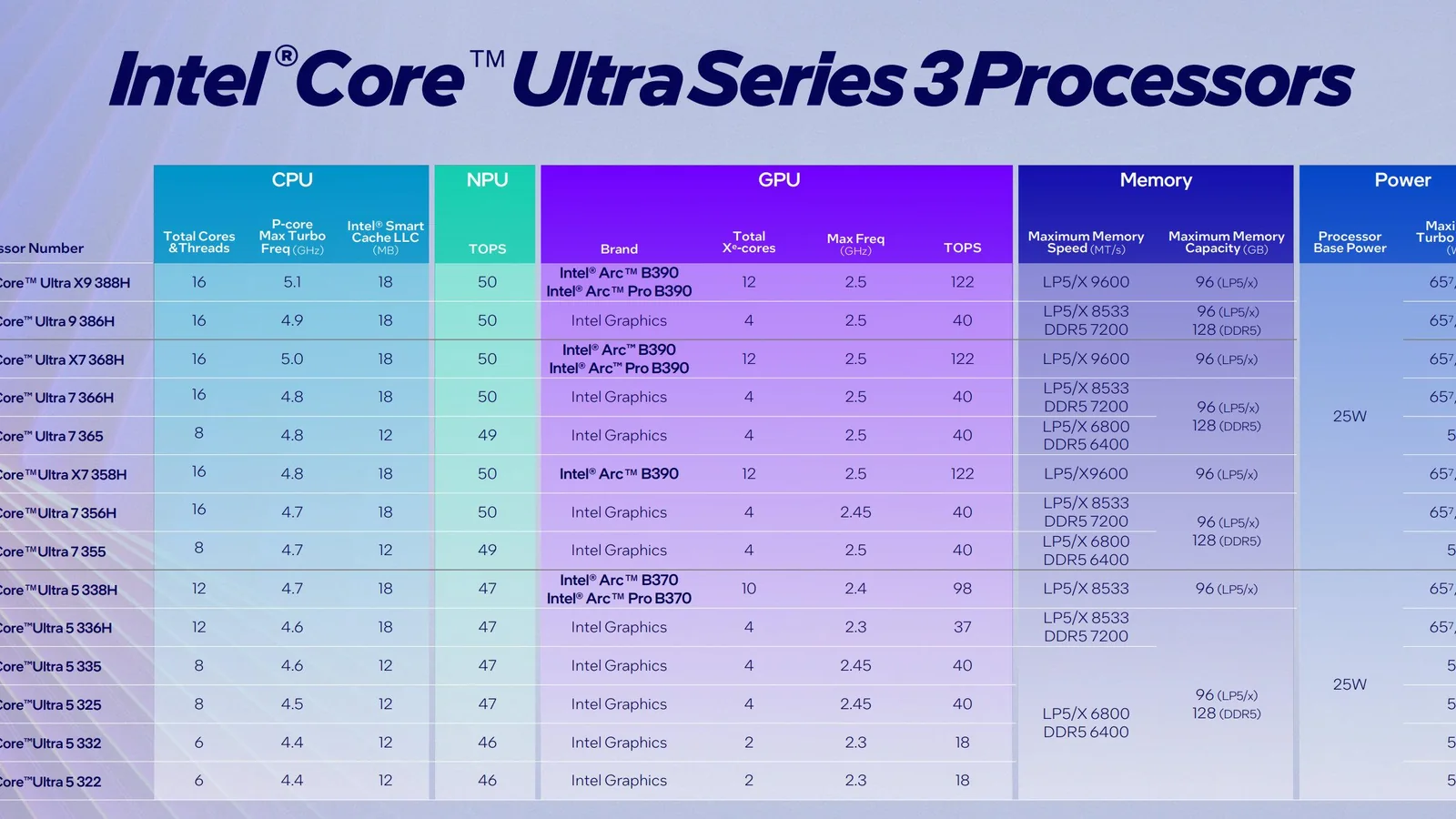
The change affects capacity previously intended for Panther Lake, Intel’s consumer processor platform built using its 18A process technology. Intel Chief Financial Officer Dave Zinsner confirmed that weaker PC demand has created an opportunity to redirect those resources toward higher-demand server chips.
Intel’s Data Center and AI division generated $7.3 billion in revenue during the third quarter of 2026, an increase of 78% year over year. Meanwhile, its Client Computing and Physical AI Group, which includes consumer PC processors, recorded $8.1 billion in revenue, down 5% from the same period last year.
The contrasting results highlight the manufacturing decisions Intel faces as demand for AI infrastructure accelerates while the consumer PC market struggles with elevated component costs.
Intel is particularly focused on increasing production of its Xeon 6 Granite Rapids processors, which use the Intel 3 manufacturing process. The company is adding Intel 3 capacity at its Oregon facilities, with the additional production expected to begin in the second half of 2027.
Intel is also expanding manufacturing capacity in Ireland, where additional Intel 3 equipment is being installed. Meanwhile, the company is accelerating equipment installation at its Fab 62 facility in Arizona and expanding advanced chip packaging operations in New Mexico and Malaysia.
However, increasing wafer production alone will not resolve the company’s supply limitations. Intel is also facing shortages of advanced substrates, which are essential for packaging complex processors containing multiple silicon dies.
During the earnings call, Zinsner explained that both wafer manufacturing capacity and substrate availability must improve before Intel can fully address server processor demand. The company expects conditions to remain especially tight during the first half of 2027, with additional manufacturing and substrate capacity becoming available later in the year.
Intel CEO Lip-Bu Tan described the semiconductor industry’s current supply situation as one of its most significant shortages, driven by unprecedented demand for AI computing infrastructure. The company expects strong server CPU demand to continue as operators deploy increasingly CPU-intensive AI inference and agent-based workloads.
For gaming PC builders and laptop buyers, the manufacturing shift comes during an already difficult period for consumer hardware.
Intel’s latest financial disclosures identify high memory prices, restricted component availability and tighter customer budgets as major factors weakening PC demand. These pressures coincide with broader concerns over long-term memory supply shortages and AI-driven constraints on PC hardware manufacturing.
Intel expects these conditions to worsen during the fourth quarter of 2026 and persist into 2027. Company management also anticipates that the overall PC market will decline by approximately 10% in unit shipments next year.
Nevertheless, the production reallocation does not establish that Intel is discontinuing Panther Lake or reducing availability of every consumer processor. The confirmed change concerns specific manufacturing resources being repurposed to increase server CPU output. Intel has not disclosed how many consumer processor units the decision will affect.
The company also continues to develop its next-generation consumer lineup, including the Core Ultra 400-series Nova Lake processors, which are expected to strengthen its position in high-end desktop computing during 2027.
For consumers, the immediate implications remain uncertain. Redirecting manufacturing resources toward server processors could influence future CPU supply, but Intel has not announced retail shortages or price increases directly resulting from this decision.
The wider challenge is already evident in Intel’s contrasting PC and data center performance, with strong AI-related revenue growth occurring alongside weaker consumer demand.
Intel’s manufacturing expansion will take several quarters to deliver additional output, leaving the company balancing substantial server processor demand against a consumer PC market facing continued pressure from component costs and supply constraints.
