


Growing demand for AI servers is reportedly creating a new shortage of printed circuit boards (PCBs), threatening the supply of essential components used in gaming motherboards, graphics cards and laptops. PC manufacturers, including HP and Dell, are facing concerns about securing enough circuit boards for their 2027 product lineups as AI infrastructure companies consume increasing amounts of manufacturing capacity.
An investigation by Nikkei Asia details mounting pressure across the PCB supply chain, including sharply higher material costs and unusually long manufacturing lead times. Some circuit board orders reportedly face waits of up to 30 months, while one supplier indicated that newly placed orders might not be delivered until late 2028.
The shortages are particularly concerning because PCBs form the physical foundation of nearly every major computing device. They connect processors, memory chips, graphics components and other electronics, making them indispensable to both consumer PCs and high-performance AI servers.
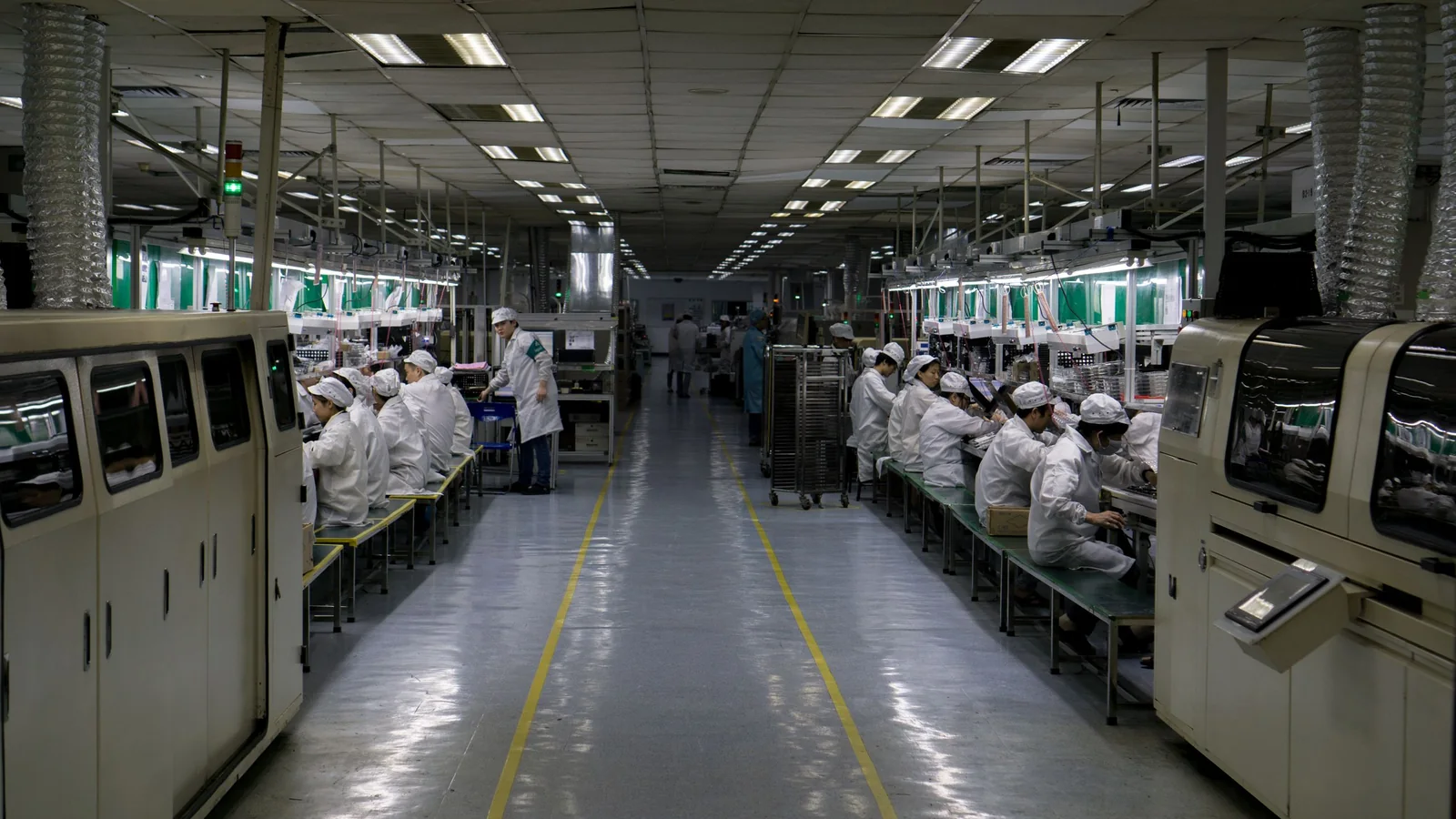
The competition for manufacturing capacity has intensified as AI infrastructure companies purchase increasingly complex circuit boards. Advanced server PCBs can contain dozens of layers and require specialized low-loss laminates, copper materials and glass fabrics. Their construction consumes substantial manufacturing resources, while the higher prices paid for server-grade products encourage suppliers to prioritize AI customers over traditional consumer electronics manufacturers.
According to Nikkei Asia’s industry sources, a Taiwanese PC manufacturer reported that copper-clad laminate prices had increased at least twelvefold since July 2026. Copper-clad laminate is a foundational material used to manufacture printed circuit boards, typically combining reinforcing material, resin and copper foil.
That reported increase applies to laminate costs quoted by one manufacturer, not finished motherboards or graphics cards. It does not mean consumer hardware prices will rise by the same percentage.
Supply constraints are extending beyond current material prices. One major laminate manufacturer reportedly has orders stretching into 2030 despite plans to triple its production capacity by 2028. PCB manufacturers are also experiencing longer delivery schedules, with lead times reportedly doubling across a significant number of products.
The manufacturing difficulties are compounded by shortages of experienced engineers. Industry sources indicate that competition for skilled PCB workers has pushed salaries approximately 20% to 30% higher, creating additional challenges for companies expanding production.
Manufacturers are investing in new capacity, but expansion cannot immediately resolve shortages of specialized materials, factory equipment and qualified personnel. Taiwanese substrate manufacturer Unimicron is reportedly planning to increase capacity by approximately 2.5 times over the next three years, while NVIDIA is working with major substrate suppliers including Ibiden, Samsung Electro-Mechanics and Unimicron.
For PC enthusiasts, the immediate concern is the potential impact on motherboard, graphics card and gaming laptop production. If manufacturers struggle to secure sufficient circuit boards, they could face higher production costs, constrained product availability or delays in introducing new hardware.
The latest PCB supply concerns also arrive during broader pressure on consumer computing components. Long-term memory supply shortages have already raised questions about future RAM and storage availability, while reported Radeon GPU price increases highlight additional cost pressures affecting graphics hardware.
Manufacturers are also reconsidering their production strategies. Reported changes to PC manufacturing locations illustrate how rising component costs are influencing broader supply-chain decisions.
However, the latest PCB figures do not establish that specific gaming motherboards or graphics cards will become more expensive. The 30-month lead times apply to certain reported orders rather than the entire PCB market, and manufacturers have not provided confirmed consumer price increases directly attributable to the newly reported constraints.
The concern heading into 2027 is that PCB production could become another significant bottleneck for consumer PC hardware, even if demand for finished computers weakens. With AI infrastructure continuing to compete for materials and manufacturing capacity, PC manufacturers may face additional difficulties securing the components needed for future gaming systems.
