


SK hynix expects global memory demand to continue exceeding supply through 2030, warning that expanding semiconductor manufacturing capacity may not be enough to keep pace with growing demand from artificial intelligence infrastructure. The South Korean memory manufacturer outlined the forecast in its third-quarter 2026 financial results, published on October 28, citing the technical complexity of advanced manufacturing processes and the lengthy construction timelines required for new semiconductor facilities.
The outlook has implications for the PC hardware market, particularly DDR5 memory, gaming laptops and SSDs. SK hynix is a major supplier of DRAM and NAND flash, two essential components used throughout consumer computing. Although the company has not forecast specific retail price increases, prolonged supply constraints could sustain pricing pressure on memory-dependent products and make future PC upgrades more expensive.
The company attributed its forecast primarily to the continued expansion of AI infrastructure. It expects investment in data centers to grow beyond major technology companies as more businesses and governments deploy AI systems. This increasing demand for high-performance memory is creating additional pressure on semiconductor production capacity.
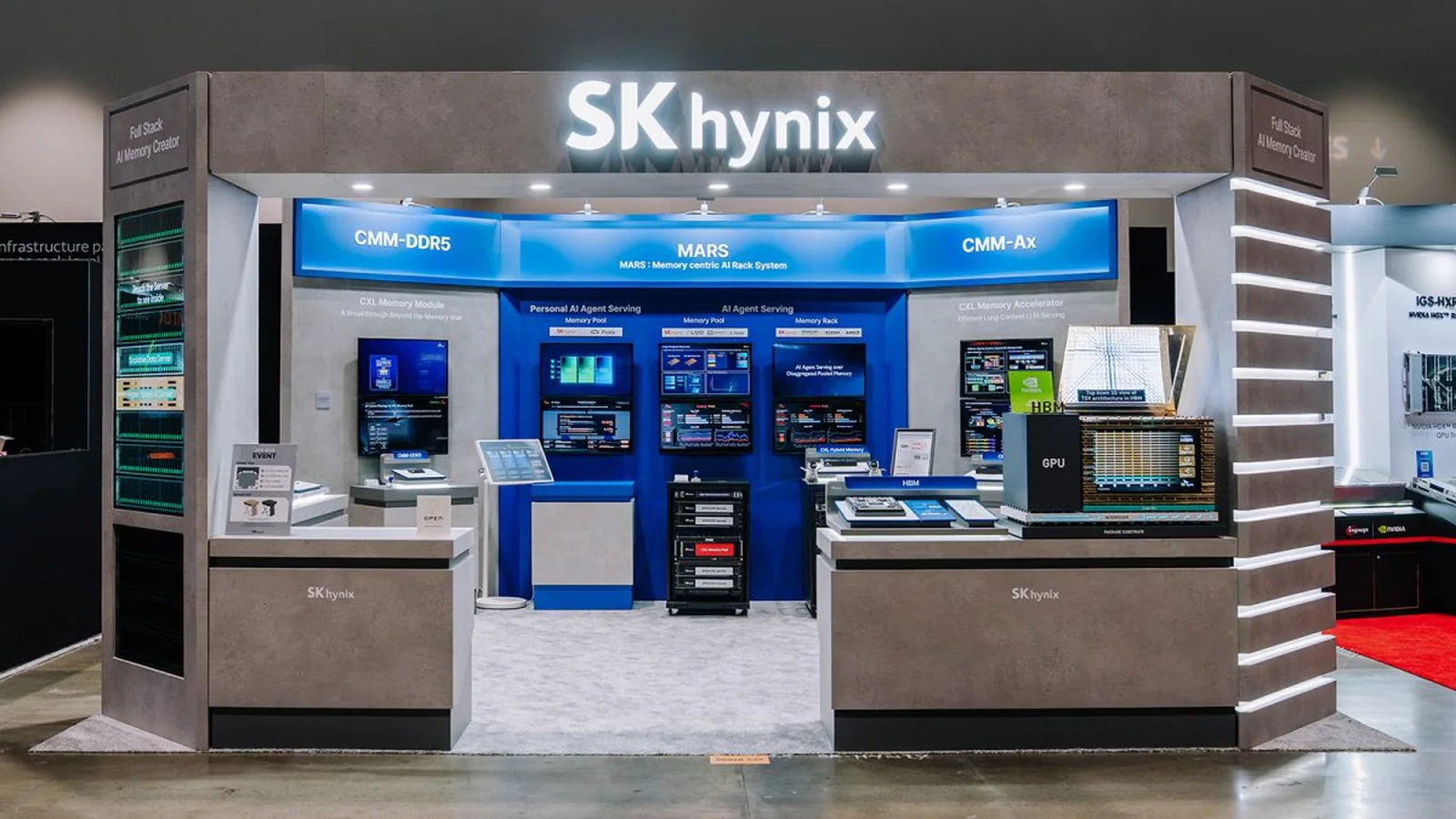
SK hynix said advanced manufacturing processes are becoming increasingly difficult to implement, while new fabrication facilities require years of construction and preparation before reaching meaningful production volumes. Consequently, additional investment cannot immediately eliminate supply constraints.
The company has already secured long-term supply agreements with 14 major customers, including leading global cloud service providers. These contracts account for more than 50% of SK hynix’s total production capacity for 2027 and 2028. The agreements typically cover five years, although the company is discussing potential extensions with customers.
This provides manufacturers and large technology companies with greater visibility into future memory availability while leaving a substantial portion of production capacity outside existing long-term contracts. SK hynix said it intends to retain flexibility to respond to changing market conditions and demand for next-generation products.
The latest forecast adds a longer-term perspective to SK hynix's assessment that DRAM and high-bandwidth memory demand has effectively booked production through 2029. During its third-quarter earnings conference call, the company explained that this assessment includes both signed agreements and advanced customer negotiations, rather than exclusively completed contracts.
Other memory manufacturers have also warned about constrained production. Micron's outlook for tight memory supplies through 2028 reflects similar pressure from AI servers and high-bandwidth memory production.
SK hynix is planning substantial manufacturing investments to address growing demand. Its M15X facility is expected to reach maximum production capacity by the end of 2026 as the company increases output of HBM4, the advanced high-bandwidth memory used in AI accelerators. SK hynix expects HBM4 to overtake HBM3E in both shipment volume and revenue during the fourth quarter.
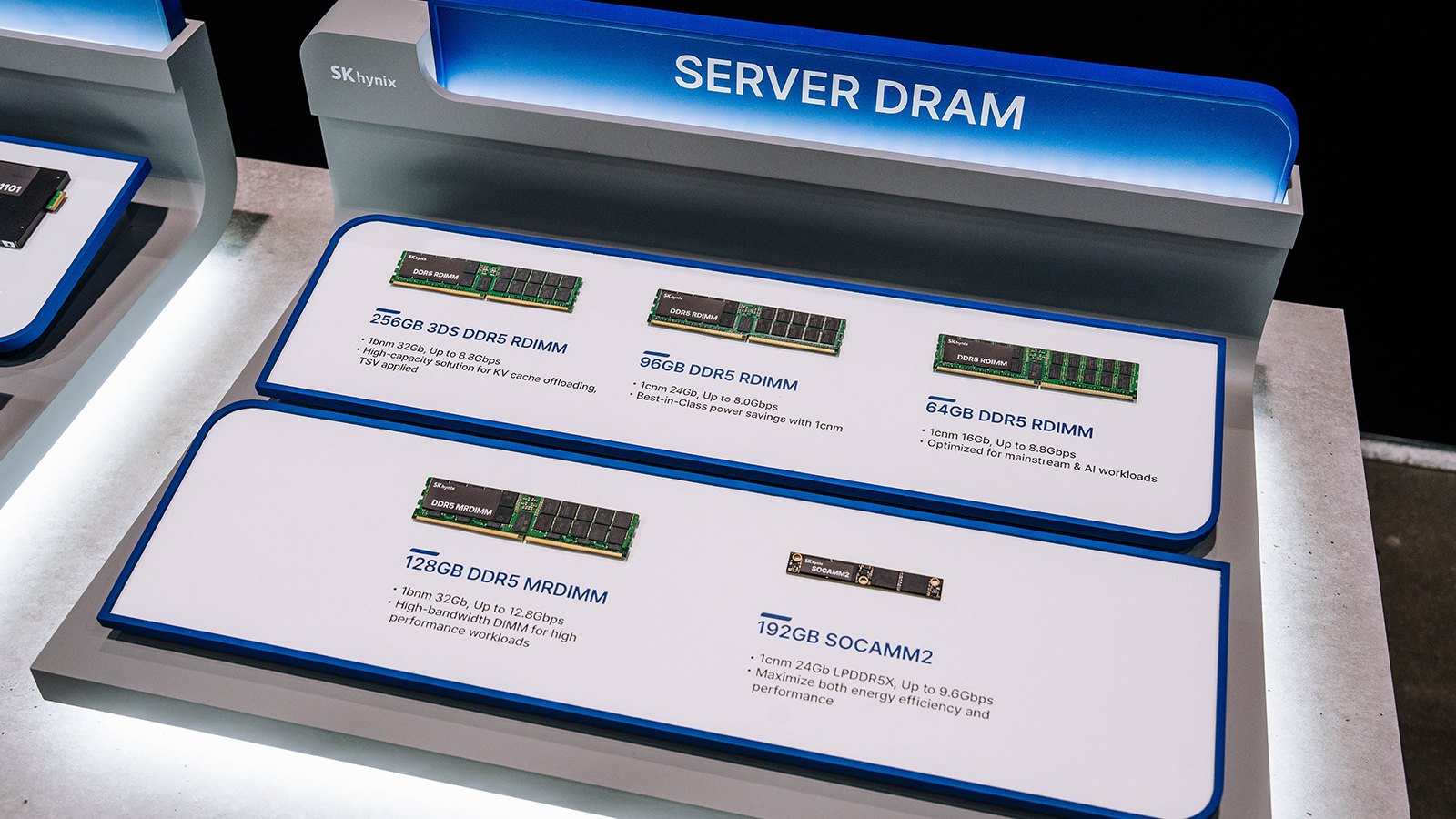
The manufacturer also plans to expand production using its sixth-generation 10nm-class DRAM process and increase sales of DDR5 and LPDDR5 SOCAMM memory for AI servers. On the NAND side, it intends to increase the share of its 321-layer manufacturing process to more than half of domestic production capacity during the fourth quarter, supporting greater output of high-capacity enterprise SSDs.
Further expansion is planned for 2027, including the full-scale operation of Yongin Phase 1 and increased investment in domestic and overseas manufacturing infrastructure. SK hynix expects capital expenditure to rise significantly but said the timing and scale will depend on market demand, profitability and investment efficiency.
The company’s financial results illustrate the strength of the current memory market. Third-quarter revenue reached 104.6155 trillion Korean won, increasing 32% from the previous quarter, while operating profit rose 38% to 83.3338 trillion won. SK hynix attributed the performance to stronger demand for AI memory, higher prices for key products and increased sales of high-value server components.
For PC builders, the distinction between overall memory shortages and specific consumer component availability remains important. High-bandwidth memory used in AI accelerators is not interchangeable with standard desktop DDR5, and enterprise SSDs serve different markets from consumer gaming drives. Nevertheless, demand across these product categories influences manufacturers’ investment and production priorities.
Continued pressure on DRAM and NAND supplies could affect the affordability of memory upgrades, gaming PCs and high-capacity SSDs. However, SK hynix has not announced a specific timeline for consumer price increases or stated that individual DDR5 kits and SSD models will remain unavailable through 2030.
The forecast represents the company’s assessment of future industry supply and demand rather than a guarantee that shortages or elevated retail prices will persist for the entire period. Actual consumer pricing will depend on production increases, market conditions and demand across both enterprise and consumer markets.
