


Former Xbox Senior Product Manager Derek Reese has offered new insight into The Coalition’s development expenses, suggesting that a substantial portion of the costs associated with Gears of War: E-Day reflects the studio’s wider responsibilities for Microsoft’s Unreal Engine technology. His comments add another perspective to the ongoing debate surrounding the game’s reported $500 million budget.
In an October 30, 2026, Bluesky post, Reese explained that The Coalition was responsible for supporting Microsoft’s internal branch of Unreal Engine while simultaneously developing one of Xbox’s flagship franchises. He also described an unsuccessful attempt to persuade leadership to distribute those technology costs across additional Xbox studios.
“So much of that cost is The Coalition being on the hook for the Microsoft branch of Unreal and one of the flagship titles,” Reese wrote.
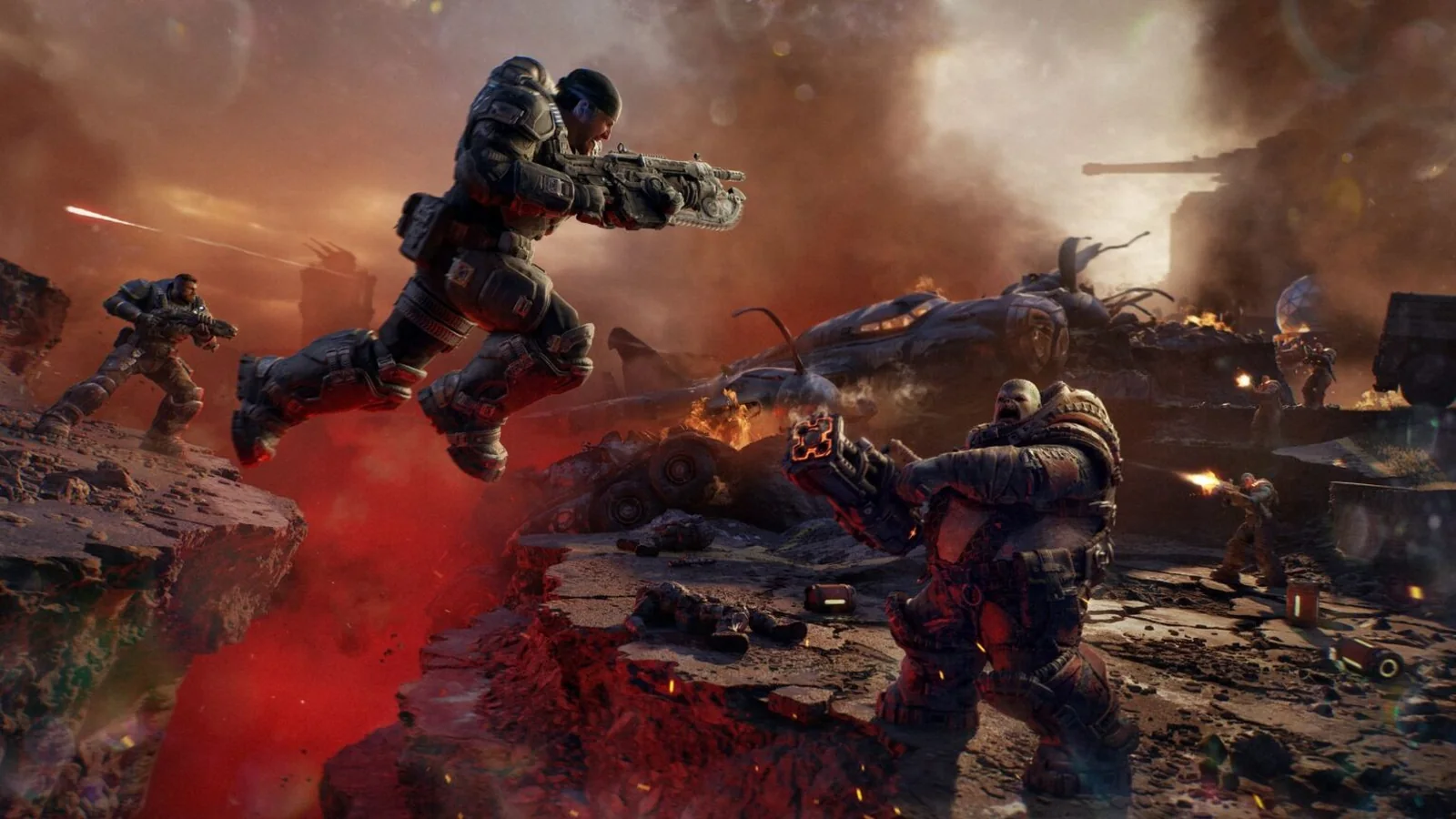
Reese said he had personally proposed a plan encouraging other studios to adopt the technology, which he believed could help distribute its support expenses. He added that Turn 10 Studios faced a comparable situation with ForzaTech, the proprietary engine associated with the Forza Motorsport franchise.
Reese worked at Microsoft between January 2022 and September 2023 as Senior Product Manager for Xbox Game Creator Services, according to his professional résumé. His comments therefore provide a firsthand account of an internal proposal during his employment, although they do not establish precisely how Microsoft currently allocates those expenses.
The remarks follow reports that Gears of War: E-Day carried a development budget of approximately $500 million. That figure has attracted scrutiny because its scope remains disputed, with questions over whether it represents the game’s production expenses alone or includes broader operations and technology investments at The Coalition.
The distinction matters because Microsoft’s investment in The Coalition extends beyond individual Gears releases. Xbox leadership has publicly identified the studio as a center of expertise for Unreal Engine technology, with its engineering work supporting other developers throughout Xbox Game Studios.
The Coalition has previously collaborated with Epic Games on Unreal Engine optimization for Xbox hardware and assisted Undead Labs with Unreal Engine 5 technology for State of Decay 3. These activities demonstrate that the studio contributes to projects beyond its own franchise.
Meanwhile, Gears of War: E-Day's launch on Xbox and PC followed a substantial technical rebuilding effort. The Coalition previously explained that the game was developed using Unreal Engine 5, with new assets, animations and systems rather than simply carrying forward the technology of earlier installments.
That investment also provides context for The Coalition's expectation of faster development for future Gears games, with the studio anticipating benefits from the foundation established during E-Day’s production.
Reese’s comparison with Turn 10 highlights a broader cost-accounting challenge for Xbox studios responsible for both game production and technology development. His comments suggest that attributing all associated spending to a single release could provide an incomplete picture of that studio’s responsibilities.
However, Reese did not disclose an itemized budget, specify how much money was spent on shared Unreal Engine development, or confirm that his proposed cost-sharing arrangement was implemented.
Microsoft has not publicly verified the reported $500 million figure or provided a detailed breakdown separating Gears of War: E-Day’s direct development expenses from The Coalition’s wider technology responsibilities. Reese’s account offers additional context, but it does not independently establish the game’s actual production budget.
