


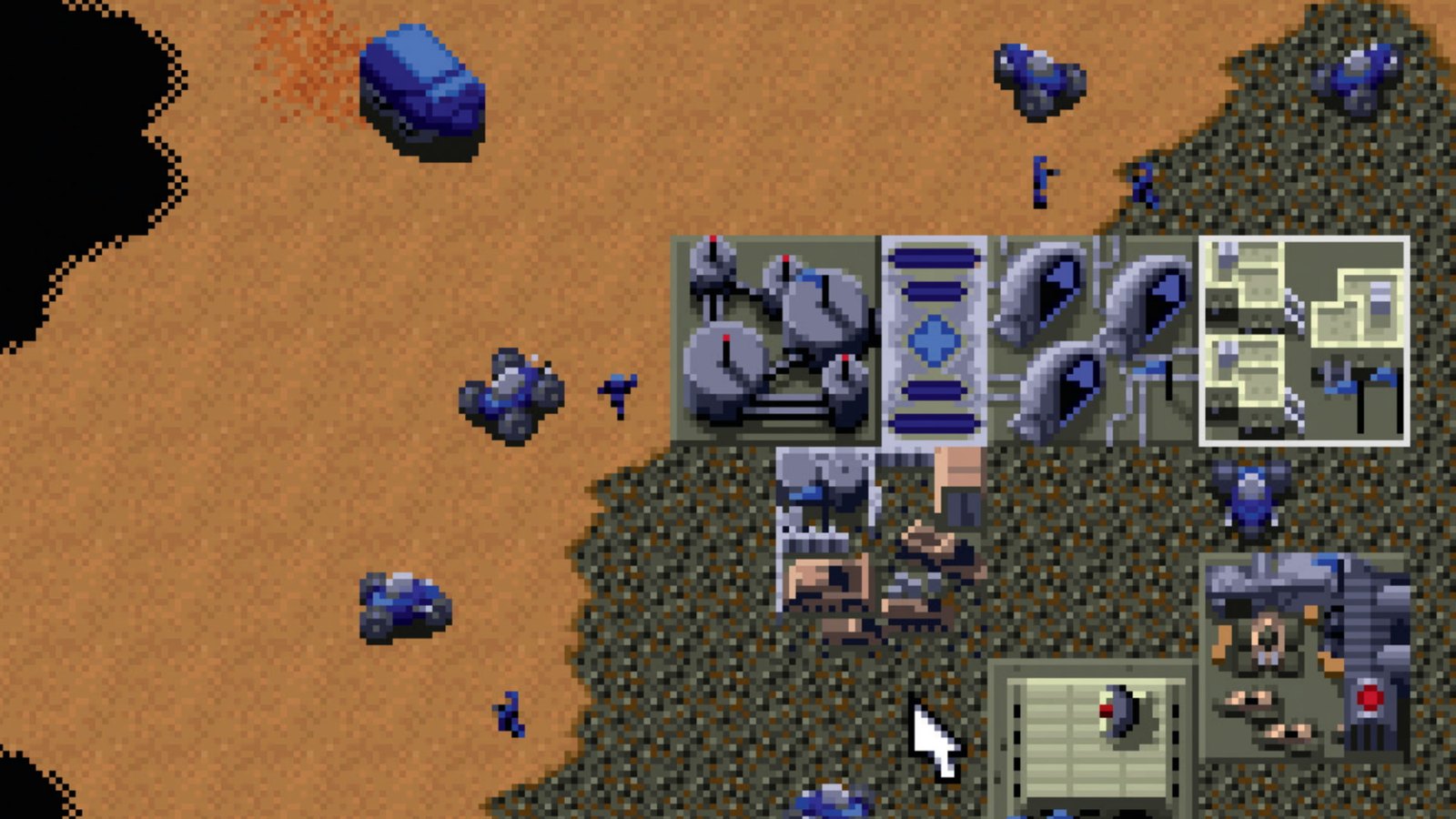
GOG has revealed why Dune II: The Building of a Dynasty, one of the most influential real-time strategy games ever released, remains unavailable for purchase on modern PC storefronts. Despite the company’s interest in preserving the 1992 classic, a complicated licensing arrangement involving Electronic Arts, multiple film rights holders and the Dune intellectual property has prevented an official re-release.
In an original interview with GamesRadar+, GOG senior business development and partnerships manager Marcin Paczynski explained that bringing Dune II back requires navigating rights associated with five separate parties. The situation is further complicated by a licensing agreement connected to Funcom’s Dune: Awakening, although it remains uncertain whether that agreement would actually prevent the older game from returning.
Developed by Westwood Studios and released in 1992, Dune II helped establish the conventions that shaped modern real-time strategy games. Its approach to resource gathering, base construction and commanding military units influenced subsequent titles, including Warcraft and Westwood’s own Command & Conquer series.
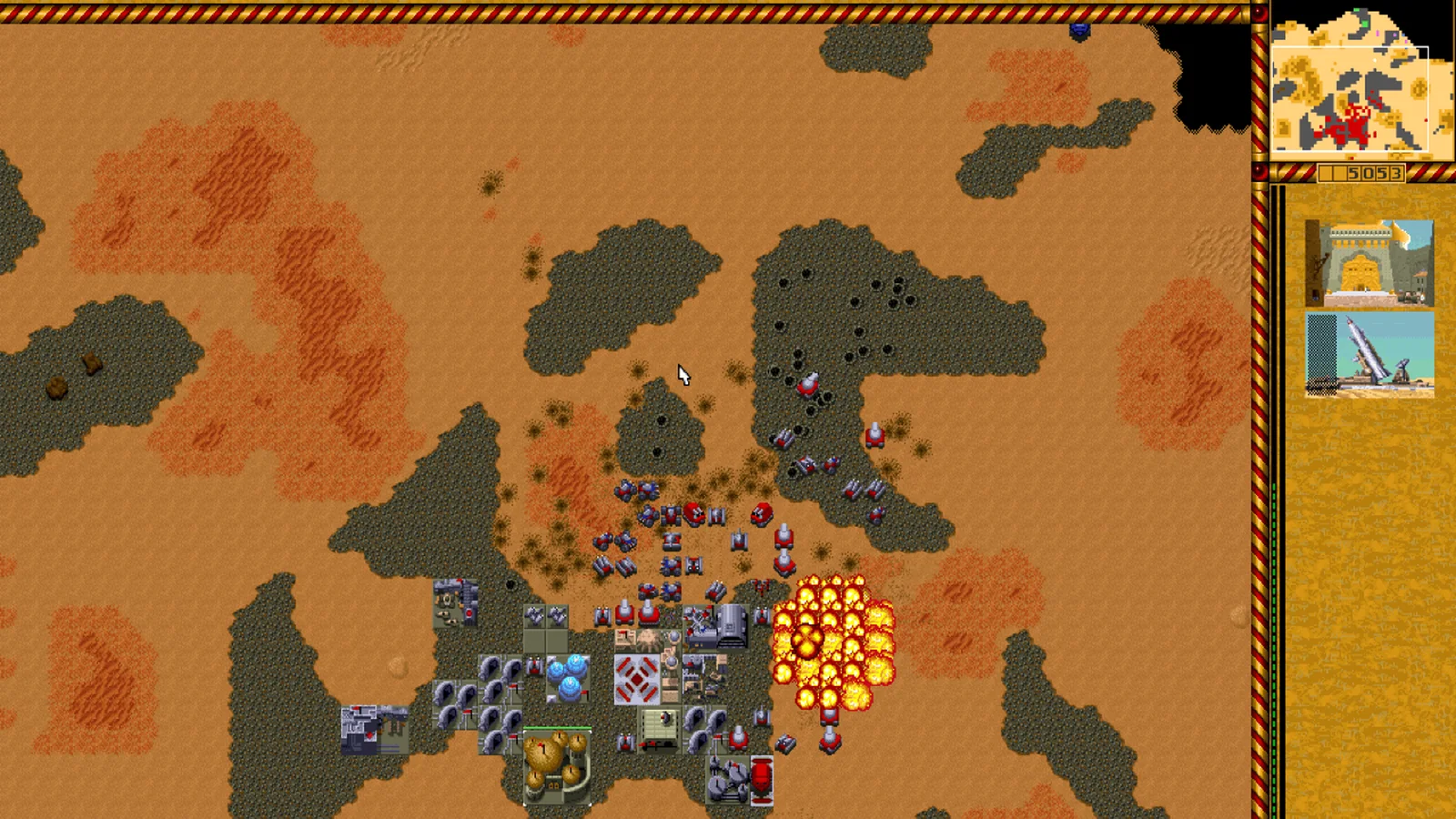
Electronic Arts owns the original game’s code, assets and associated materials after acquiring Westwood Studios in 1998. However, ownership of those materials does not automatically provide the rights needed to distribute the game commercially.
Paczynski explained that the licensing complications originate partly from Dune II’s connection to David Lynch’s 1984 Dune film rather than directly to Frank Herbert’s novels. Universal Pictures was involved in the film, while producer Dino De Laurentiis held a portion of the associated movie rights. Following De Laurentiis’ death, those interests passed to a successor, creating another party potentially involved in approving a re-release.
The Herbert Foundation, which controls rights associated with the broader Dune intellectual property, adds another layer. Legendary Pictures, which holds rights connected to the newer Dune films, is also part of the licensing picture described by Paczynski.
Together, these interests create a situation in which Electronic Arts, Universal Pictures, the successor to De Laurentiis’ film rights, the Herbert Foundation and Legendary Pictures may all need to be considered before GOG can secure the necessary permissions.
The complications potentially extend beyond the original Dune II. Legendary Pictures has licensed Dune game development rights to Funcom, the studio behind the multiplayer survival game Dune: Awakening. According to Paczynski, that arrangement includes an exclusivity provision.
However, he emphasized that the implications for older Westwood titles remain unclear. There is currently no confirmation that Funcom’s agreement directly prohibits the commercial re-release of Dune II, Dune 2000 or Emperor: Battle for Dune. The exclusivity represents a potential additional licensing complication rather than an established legal prohibition.
Paczynski also highlighted the commercial difficulties involved in coordinating so many rights holders for a relatively inexpensive classic PC game.
As an illustrative scenario rather than a sales forecast, he suggested that a re-release might sell approximately 50,000 to 100,000 copies at prices of $5.99 or $9.99. Those figures demonstrate the potential mismatch between the relatively modest revenue from an older game and the complexity of negotiating agreements involving several major entertainment companies.
For GOG, the situation is particularly frustrating because preserving historically significant PC games remains central to its business. Paczynski described Dune II as one of his personal priorities for a future re-release, explaining that he has a strong nostalgic attachment to the game.
The obstacles also illustrate a broader challenge in PC game preservation. Although the original software and its historical importance are well established, making an older licensed game legally available can require agreements covering intellectual property that has changed hands repeatedly over several decades.
For players interested in experiencing the foundations of modern RTS gaming, Dune II’s absence from contemporary digital storefronts means there is still no straightforward official purchasing option comparable to other classic PC games available through GOG.
No release date, completed licensing agreement or official restoration project has been announced. GOG’s continued interest leaves open the possibility of an eventual return, but the rights situation described by Paczynski provides no indication that a commercial re-release is imminent.
