


Team Group has warned that global memory shortages could become significantly worse between the fourth quarter of 2026 and the second quarter of 2027, potentially leaving manufacturers and consumers unable to secure sufficient supplies even at elevated prices. The Taiwanese memory manufacturer expects the supply-demand imbalance to persist until at least the second half of 2028, raising concerns about RAM availability and pricing for gaming PCs and consumer hardware.
During its November 2, 2026 earnings conference, Team Group CEO Chen Ching-wen explained that the memory industry’s supply constraints have not yet reached their most severe stage. Although DRAM and NAND flash products remain available at increasingly high prices, the company believes limited production capacity and long-term supply commitments could make certain products considerably harder to obtain over the coming months.
The warning comes as major memory manufacturers prioritize high-bandwidth memory (HBM), advanced DDR5 and other products serving artificial intelligence infrastructure. This shift is reducing available production capacity for conventional memory products, particularly DDR4, while demand from enterprise customers continues to absorb a substantial portion of global supply.
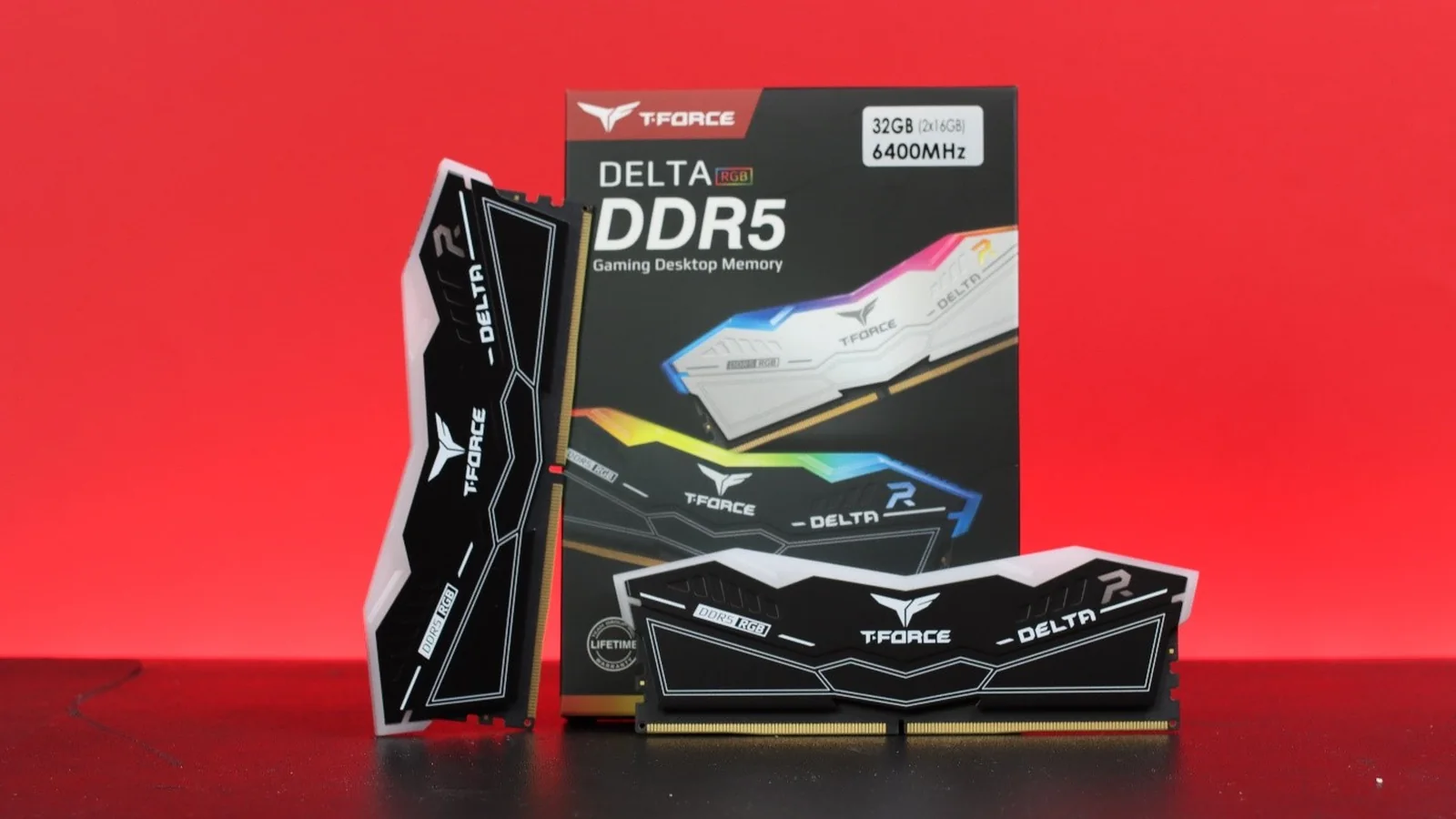
Team Group believes the current shortage differs from previous memory market cycles, which typically experienced pricing fluctuations over periods of several months. With manufacturing capacity concentrated among a relatively small number of suppliers, the company sees little indication that elevated prices will quickly reverse.
The manufacturer’s outlook adds to concerns about prolonged DRAM supply shortages, with SK hynix also anticipating sustained pressure as AI infrastructure demand competes with traditional computing markets.
Team Group identified long-term purchasing agreements as another major obstacle to improving availability. Large customers have secured substantial portions of future production, restricting the amount of memory that can be purchased outside existing contracts. Even additional manufacturing capacity may provide limited immediate relief if its output has already been allocated to customers.
The company estimates that the broader memory market may not return to a more balanced supply position until the second half of 2028 or later. This remains an industry forecast rather than a confirmed timeline, and actual conditions will depend on manufacturing expansion, customer demand and future production decisions.
The pressure is also changing Team Group’s business. During the first nine months of 2026, business-to-business sales accounted for 64.6% of revenue, compared with 24.6% during the corresponding period in 2025. Consumer sales declined from 75.4% to 35.4% of the company’s revenue mix over the same comparison period.
This substantial shift reflects growing demand from enterprise, industrial and server customers. Team Group is responding by prioritizing long-term contracts and higher-value products while maintaining its consumer hardware business through brands such as T-FORCE.
The company plans to focus its consumer portfolio on high-frequency DDR5 memory and PCIe Gen5 SSDs, including products targeting gaming enthusiasts and content creators. Its inventory allocation strategy will prioritize servers, industrial customers with long-term agreements and high-end consumer products.
Team Group also highlighted the increasingly difficult outlook for DDR4. As major suppliers devote more manufacturing resources to HBM and DDR5, production of older memory technologies is being reduced despite continued demand from industrial systems and existing PCs.
For PC builders, these developments create uncertainty around both component prices and availability. Consumers upgrading DDR4 systems could face tighter supplies, while those building new DDR5 gaming PCs may encounter continued pricing pressure as manufacturers compete for limited memory production.
The wider effects of rising component costs are already visible across consumer computing, with increasing memory expenses affecting major PC manufacturers. Long-term DRAM purchasing commitments, including reported efforts by Chinese technology companies to secure extended supply agreements, further illustrate the competition for future production.
Team Group has not announced specific retail price increases or confirmed shortages for individual T-FORCE memory kits. Its projections nevertheless suggest that PC enthusiasts should not assume RAM prices will decline simply because memory products have already become substantially more expensive.
The company’s immediate forecast places the greatest supply pressure between late 2026 and June 2027, with any broader market recovery potentially remaining several years away.
