


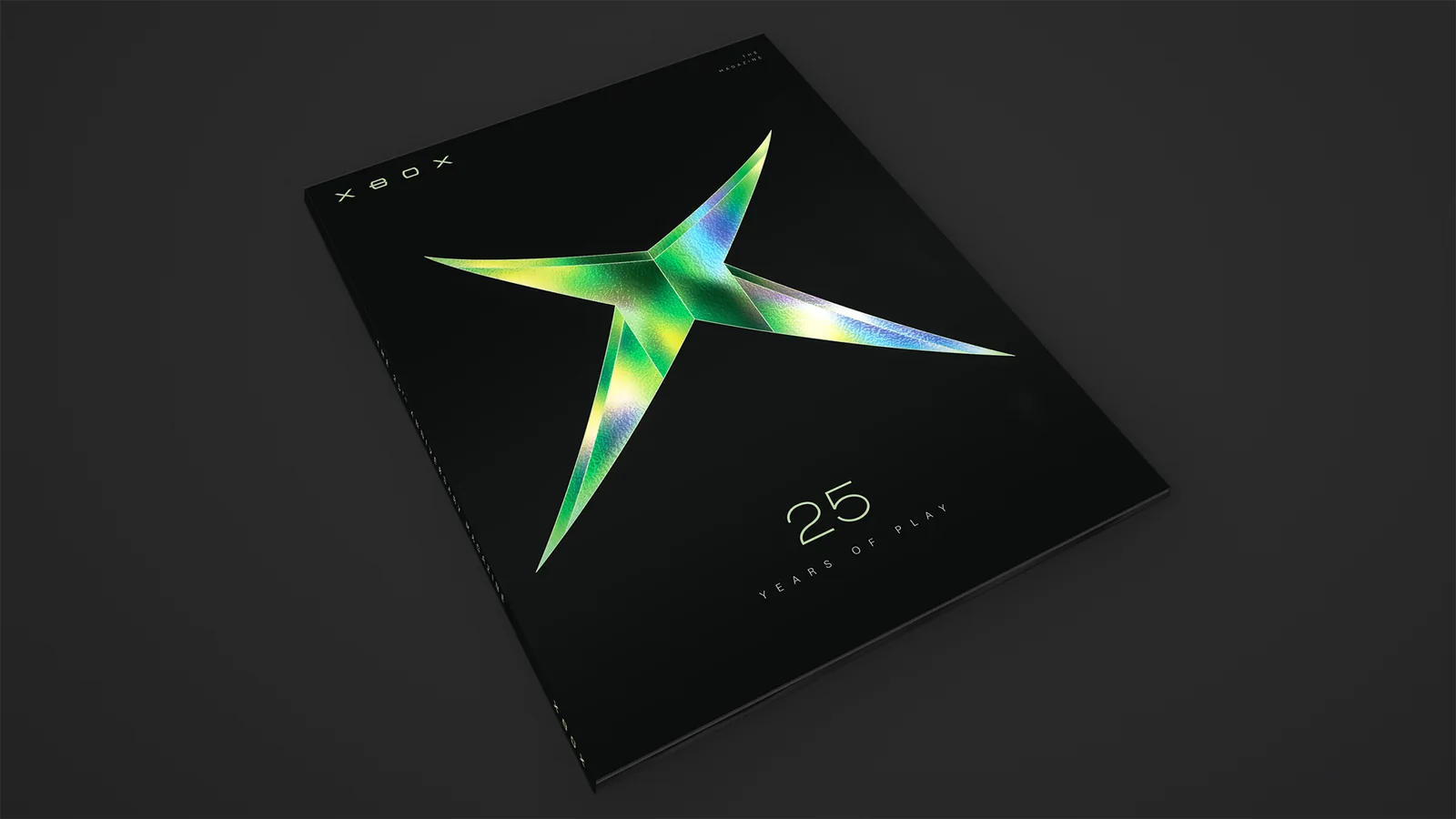
Microsoft has clarified that its next-generation Xbox, codenamed Project Helix, is being designed as a gaming console capable of running PC games rather than a conventional gaming PC with Xbox compatibility. Jason Ronald, Xbox Vice President of Next Generation, explained the distinction in an interview published in Xbox’s official 25th Anniversary Magazine on November 15, 2026. The company also confirmed plans to combine straightforward console operation with more advanced customization options for experienced players.
Ronald emphasized that Project Helix will prioritize the accessibility and convenience associated with traditional Xbox hardware while expanding the types of games players can access. The distinction addresses speculation that Microsoft’s next console could effectively become a Windows gaming PC with a console-style interface.
According to Ronald, the primary objective is to provide immediate access to games without requiring players to manage operating system updates, graphics drivers or complicated configurations. However, enthusiasts who prefer greater control over their gaming experience will have access to deeper settings and performance customization.
This approach means Microsoft intends to retain the simplicity of a dedicated console without restricting every player to the same configuration options. The company has not yet explained which settings will be adjustable or how extensively users will be able to customize the system.
Project Helix’s support for PC games was originally confirmed during Microsoft’s Game Developers Conference announcements in March 2026. The latest comments clarify the company’s intended design philosophy rather than introducing PC compatibility for the first time.
An important unanswered question concerns how PC game libraries will function on the hardware. Microsoft has not confirmed whether Project Helix will support third-party PC storefronts such as Steam or the Epic Games Store, nor has it detailed how existing PC game purchases will be recognized and installed.
Backward compatibility is another major focus. Ronald described Microsoft’s intention to preserve access to Xbox games and player progression spanning four console generations. That commitment builds on the company’s continuing work to bring older Xbox titles to modern platforms, including the recent expansion of original Xbox backward compatibility on Windows 11.
The company also sees the ROG Xbox Ally handheld as an important precursor to Project Helix. Microsoft’s work on handheld gaming interfaces and unified game libraries has helped inform its next-generation console strategy. Recent developments such as Auto SR support and additional performance options on ROG Xbox Ally hardware illustrate its broader efforts to improve gaming experiences across different device categories.
On the hardware side, Microsoft previously confirmed that Project Helix will use a custom AMD system-on-chip developed through the companies’ ongoing partnership. The platform is being designed around next-generation DirectX and AMD FidelityFX Super Resolution technologies, with Microsoft targeting substantial improvements in ray tracing performance and rendering efficiency.
Ronald also identified neural rendering as a key area of development. Microsoft believes AI-assisted graphics techniques could enable greater visual fidelity without requiring proportional increases in processing power or memory. These technologies are particularly relevant as rising component costs make conventional hardware performance improvements increasingly expensive.
Despite the additional clarification, Microsoft has not announced Project Helix’s final specifications, retail price or consumer launch date. The company previously confirmed plans to begin distributing alpha versions of the hardware to developers in 2027.
For Xbox players, the central distinction is now clearer: Project Helix is intended to preserve the convenience of a traditional gaming console while accommodating PC games and offering additional control over performance. Exactly how Microsoft will deliver that combination, particularly regarding supported PC storefronts and game compatibility, remains unconfirmed.
