


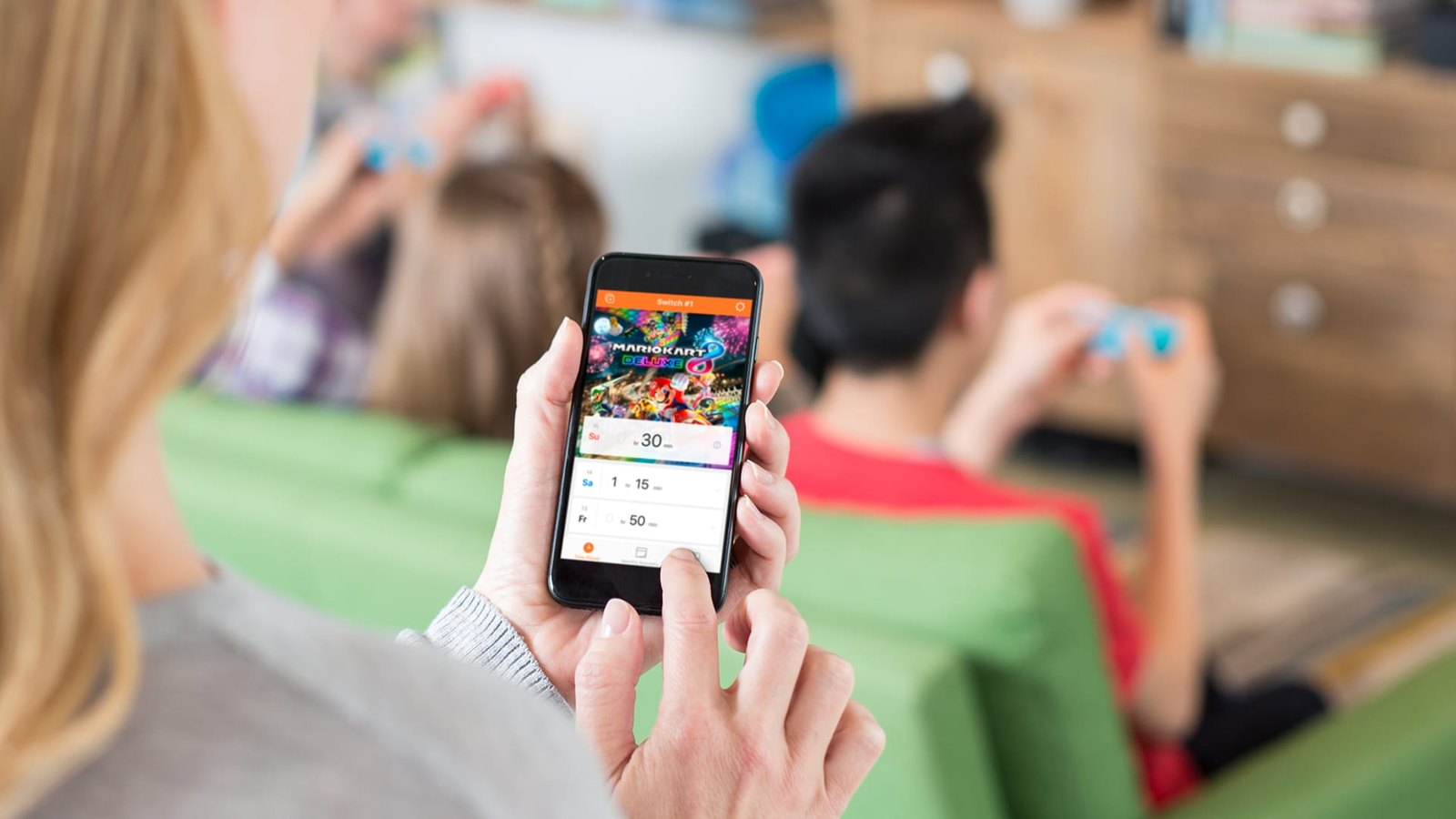
Nintendo has introduced a free Parent’s Guide to Gaming with Confidence following new research showing that 68% of UK parents make decisions about their children’s video gaming without always feeling fully informed. The guide, announced on October 26, 2026, offers practical information about game age ratings, screen time, online safety and parental controls.
The initiative follows a Nintendo-commissioned survey of 2,000 UK parents with children aged seven to 16. The findings suggest that gaming remains one of the activities parents find most difficult to understand, despite its popularity among younger audiences.
According to the research, 28% of surveyed parents identified gaming as the hobby they understood least, compared with 16% for watching online content, 15% for social media and 10% for sports. Additionally, 71% said they relied on their children to explain gaming terminology or related issues.
The survey also identified several concerns surrounding children’s gaming habits. Screen time was the most frequently cited worry, mentioned by 35% of respondents. Exposure to inappropriate content concerned 28%, while 25% were worried about whom their children communicated with during online gaming.
Parents also indicated which resources would help them make better-informed decisions. Guidance on managing screen time was requested by 37% of respondents, while 32% wanted help setting parental controls and 30% wanted more information about game content. Nearly one-quarter identified parental controls as an area they understood particularly poorly.
Nintendo’s new guide aims to address these knowledge gaps by explaining how different gaming experiences work and what parents should consider before allowing their children to play.
The Parent’s Guide to Gaming with Confidence was written by family gaming specialist Andy Robertson, with contributions from child psychologist Dr Amanda Gummer and games journalist Ellie Gibson. It is available through the Family Gaming Database.
The resource covers age classifications, managing screen time, online interactions, parental controls and the differences between gaming experiences. Rather than concentrating exclusively on restrictions, it encourages families to understand the games children enjoy and make decisions based on their individual circumstances.
Robertson said the research reflected the difficulties he regularly encounters when helping families understand video games. He explained that improving gaming literacy allows parents to establish appropriate boundaries without relying entirely on unfamiliar rules or restrictions.
Nintendo already provides parental control tools and support documentation for Nintendo Switch and Switch 2. These resources explain how families can manage aspects of their children’s console use, including access to age-restricted content and supported communication features.
The new guide takes a broader educational approach, addressing gaming habits and digital safety beyond individual console settings.
Despite their concerns, surveyed parents also recognised potential benefits from gaming. According to the study, 58% believed video games could help children develop problem-solving skills, while 45% associated gaming with teamwork and creativity. Another 30% believed gaming could support communication skills.
The findings also indicated that 61% of parents played video games with their children either regularly or occasionally. Among those who played together, 40% reported stronger family connections, while 43% said the activity helped them better understand their children’s interests.
Gummer emphasised the importance of making reliable information accessible to families as games and online platforms continue to evolve. The guide reflects that approach by presenting gaming as an activity parents can better understand through practical resources and conversations with their children.
Nintendo’s Parent’s Guide to Gaming with Confidence is available free through the Family Gaming Database, offering families information on age ratings, online safety and managing children’s gaming experiences.
