


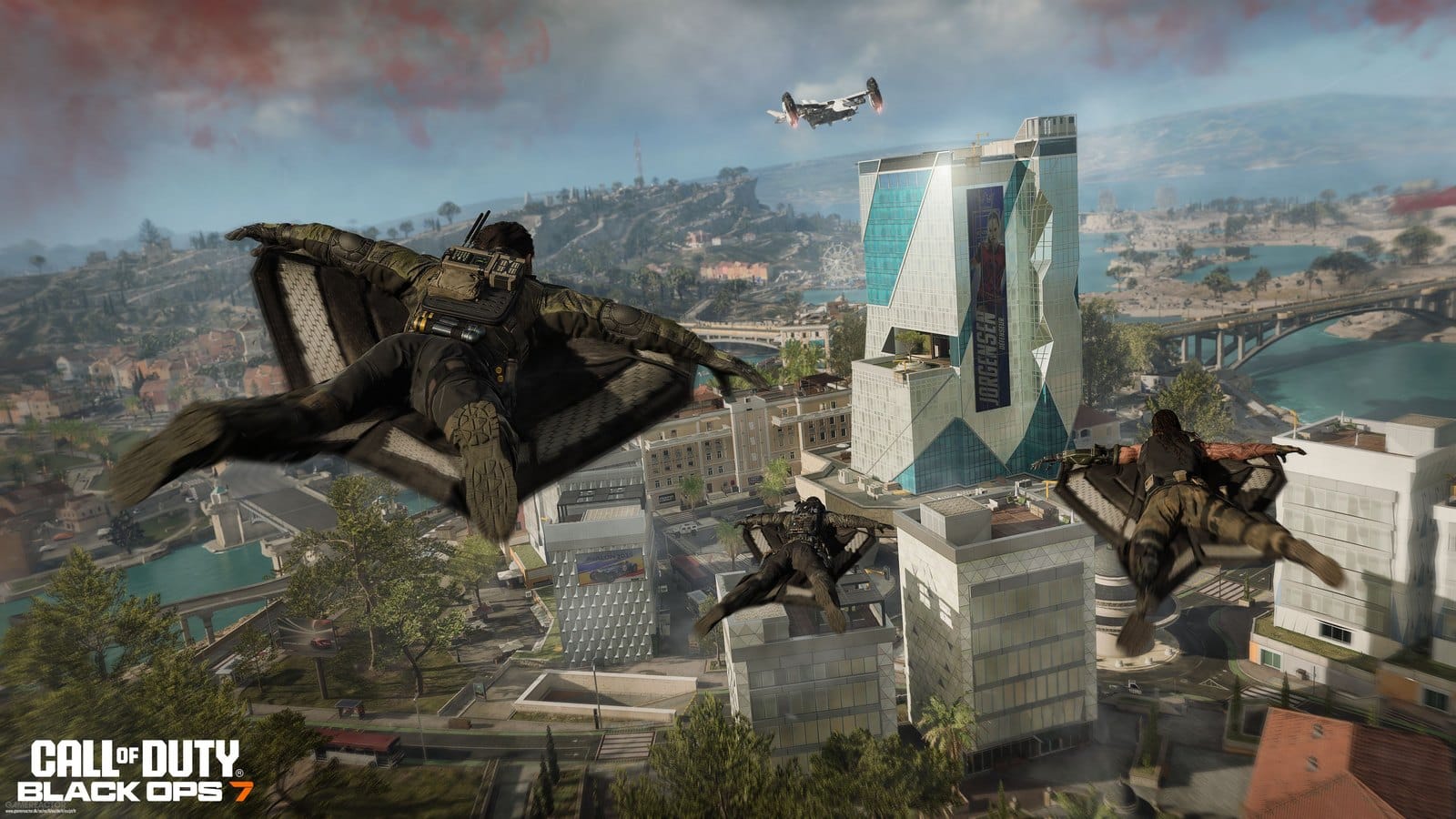
Activision has acknowledged that Call of Duty: Black Ops 7 failed to meet player expectations, with chief marketing officer Tyler Bahl admitting that the publisher was dissatisfied with aspects of the 2025 release. The comments come as new analysis highlights the franchise’s declining sales performance and player numbers ahead of Modern Warfare 4.
Speaking in an October 15 interview with The Game Business, Bahl said Activision had taken player criticism seriously and was making changes to its approach with the upcoming Modern Warfare 4.
“I don’t think we were happy with every aspect of last year’s game, and we heard the feedback loud and clear,” Bahl said.
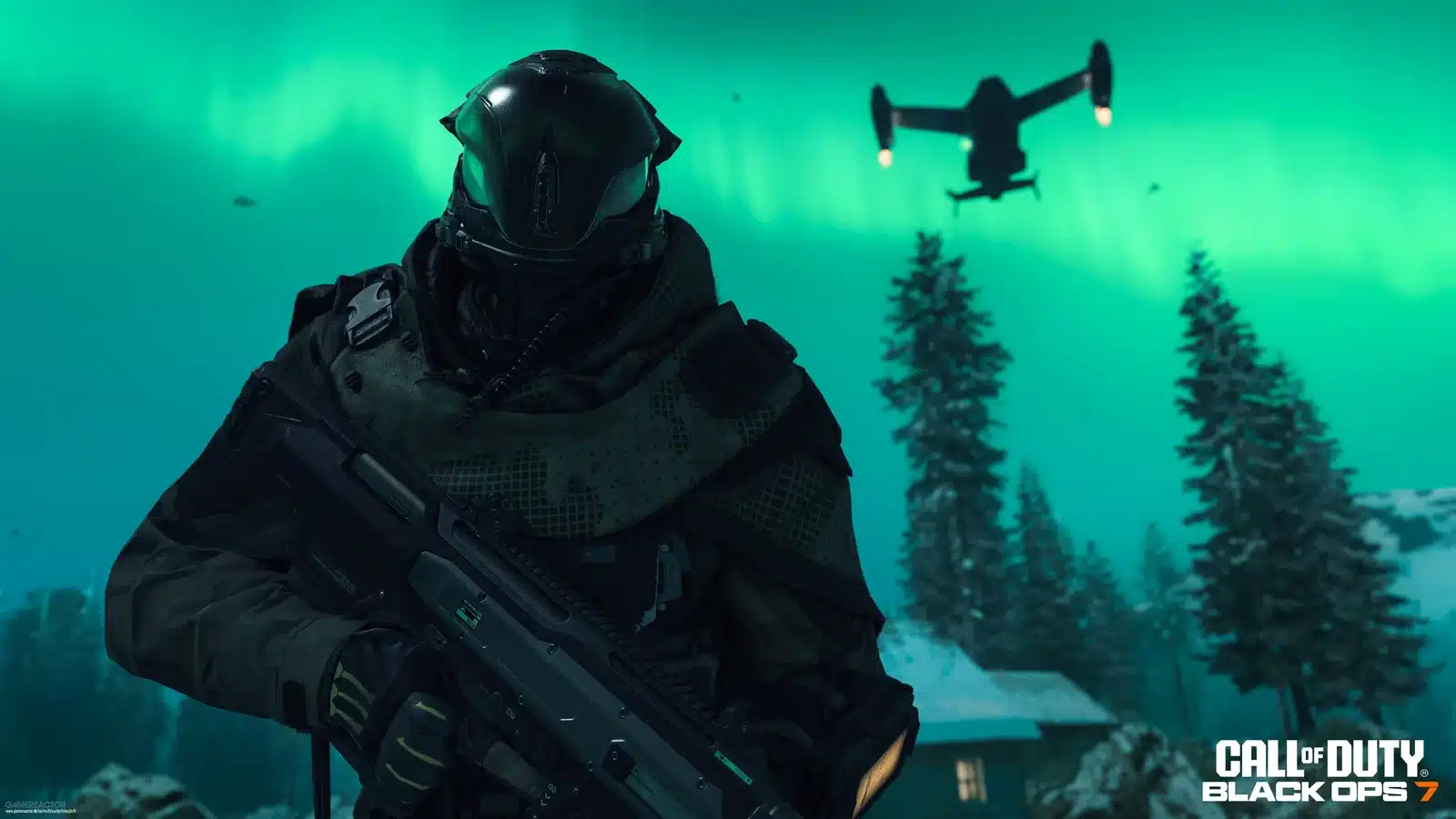
The admission follows a difficult commercial period for Call of Duty. According to figures reported by The Game Business, Black Ops 7’s European launch sales were more than 50% below those of Black Ops 6. In the United States, Black Ops 7 finished 2025 as the fifth-best-selling game, the franchise’s lowest annual ranking since Call of Duty: World at War in 2008.
Battlefield 6 also overtook Call of Duty as the best-selling shooter of 2025, ending the franchise’s long-standing dominance of the category.
Player engagement has similarly weakened, although the available figures require some qualification. Data from Ampere Analysis indicates that Call of Duty typically attracted around 40 million monthly players during 2024, compared with figures in the mid-20 millions during parts of 2026. However, the dataset excludes Modern Warfare II and III after July 2025 and Black Ops 6 after July 2026, meaning the figures do not represent a complete like-for-like comparison.
Bahl linked some of the dissatisfaction to Activision’s recent release strategy. The publisher launched Modern Warfare II and Modern Warfare III in consecutive years, followed by Black Ops 6 in 2024 and Black Ops 7 in 2025.
“It was not something that our community was looking for,” Bahl told The Game Business, explaining that players wanted a noticeably different direction rather than another entry in an established series.
Activision is attempting to address that feedback with Modern Warfare 4, which Bahl described as a return to a more grounded military shooter. The publisher wants to emphasize cinematic presentation, authenticity and the elements traditionally associated with Call of Duty.
The company is also placing greater importance on rebuilding its relationship with players. Bahl said the success of Modern Warfare 4 would not be judged solely by sales or player counts, arguing that strong commercial performance would mean little if players remained dissatisfied.
That broader change in direction extends beyond the upcoming release. Activision has already confirmed plans for a new Call of Duty sub-franchise, with preliminary groundwork completed for a future game outside its familiar Modern Warfare and Black Ops branches.
Despite the decline, Call of Duty has shown signs of renewed interest. Ampere’s figures indicate that monthly player numbers approached 40 million again during the summer following the PlayStation releases of the original Black Ops and Black Ops II. Bahl said the unexpectedly strong response reinforced the importance of playing with friends and the appeal of the franchise’s earlier multiplayer experiences.
For Activision, the immediate challenge is whether Modern Warfare 4 can turn that renewed interest into sustained engagement. The game is scheduled to launch on October 23, 2026, making it the publisher’s first major opportunity to demonstrate how it has responded to Black Ops 7’s reception.
The October 15 interview provides the clearest acknowledgment yet from Activision’s marketing leadership that the franchise needs to change course, even as Call of Duty remains one of the industry’s largest gaming properties.
