


AMD expects worldwide PC shipments to decline by a double-digit percentage in 2027 as rising memory and component costs put pressure on consumer demand. CEO Dr. Lisa Su outlined the company’s outlook during its third-quarter 2026 earnings call on November 3, warning that higher system prices are already affecting PC purchasing activity.
Su said PC sales to end customers slowed toward the end of the third quarter as increasing memory and component costs made systems more expensive. AMD is adjusting shipments to manufacturers and distributors accordingly, aiming to prevent excess inventory from accumulating across its sales channels.
“In 2027, we are planning for PC market unit shipments to decline by a double-digit percentage,” Su stated during the earnings presentation.
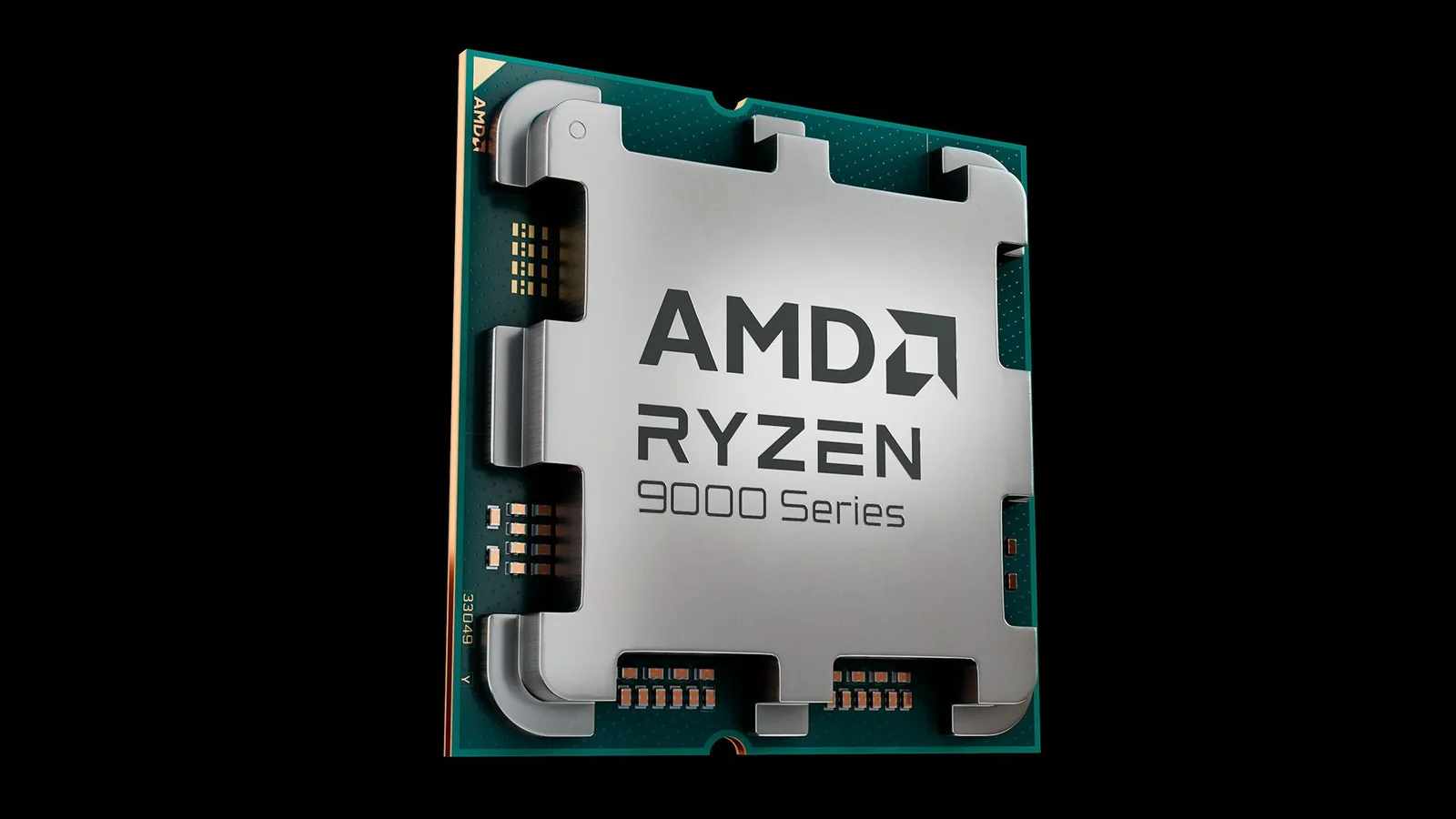
The forecast applies to the broader PC market rather than AMD’s processor shipments specifically. It represents AMD’s current planning assumption, not a confirmed industry-wide decline or a prediction that AMD’s own Ryzen sales will fall at the same rate.
During the earnings call’s question-and-answer session, Su explained that higher component prices ultimately affect the cost of complete systems, with consumer buyers particularly sensitive to those increases. AMD had already anticipated weaker-than-normal seasonal demand during the second half of 2026, and Su said market conditions had developed broadly in line with those expectations.
The outlook comes amid mounting pressure on PC hardware supply chains. Warnings that RAM shortages could worsen through mid-2027 have highlighted the possibility of continued memory pricing pressure, while AI-driven PCB supply constraints threaten to increase costs for other PC components.
For gamers and PC enthusiasts, these developments could affect the affordability of new desktops, gaming laptops and hardware upgrades. Memory remains an essential component of every modern PC, meaning sustained price increases can raise the total cost of a system even when processor prices remain unchanged.
Separate concerns about potential Radeon graphics card price increases also illustrate the pricing pressure facing consumers assembling or upgrading gaming PCs. However, AMD has not provided a specific forecast for gaming PC prices in 2027.
Despite anticipating a difficult year for the overall market, AMD expects its Ryzen processor business to perform better than the industry average.
Su identified premium consumer PCs, desktop processors and enterprise systems as areas where AMD intends to concentrate its efforts. The company also expects its upcoming Ryzen products and expanding commercial PC presence to help it outperform the broader market.
AMD’s third-quarter results provide additional context for that strategy. The company reported total quarterly revenue of $13.4 billion, representing 45% year-over-year growth, driven primarily by its data center business. Meanwhile, gaming segment revenue declined 40% year over year to $773 million, largely because of lower semi-custom processor sales associated with the console hardware cycle.
AMD also reported that Radeon GPU sales through retail and distribution channels increased sequentially, despite gaming graphics revenue declining year over year.
The contrasting performance highlights the different conditions facing AMD’s consumer and data center businesses. While demand for enterprise computing and AI infrastructure remains strong, rising hardware costs are creating a more challenging environment for PC buyers.
AMD has not specified an exact percentage decline for global PC shipments or provided a detailed quarterly forecast for 2027. Its current expectation is that the industry will experience a double-digit percentage reduction in unit shipments, while AMD seeks to gain ground through its Ryzen product roadmap and commercial PC expansion.
