


Danganronpa creator Kazutaka Kodaka has revealed that his studio, Too Kyo Games, sometimes submits unfinished game builds for physical production, relying on day-one patches to deliver the intended experience at launch. The developer explained that manufacturing deadlines, particularly for collector’s editions, can force studios to finalize physical copies long before development is effectively complete.
Kodaka discussed the issue during a developer roundtable at the Console Game Developers Conference 2026, held at the SKY31 Convention in Seoul, South Korea. His comments, documented by Korean gaming outlet INVEN, offer an unusually candid look at how physical game production schedules influence development decisions.
The discussion included former PlayStation executive Shuhei Yoshida, who moderated the panel, alongside other industry veterans. Kodaka explained that physical releases remain particularly important to Too Kyo Games because of their commercial performance in Japan.
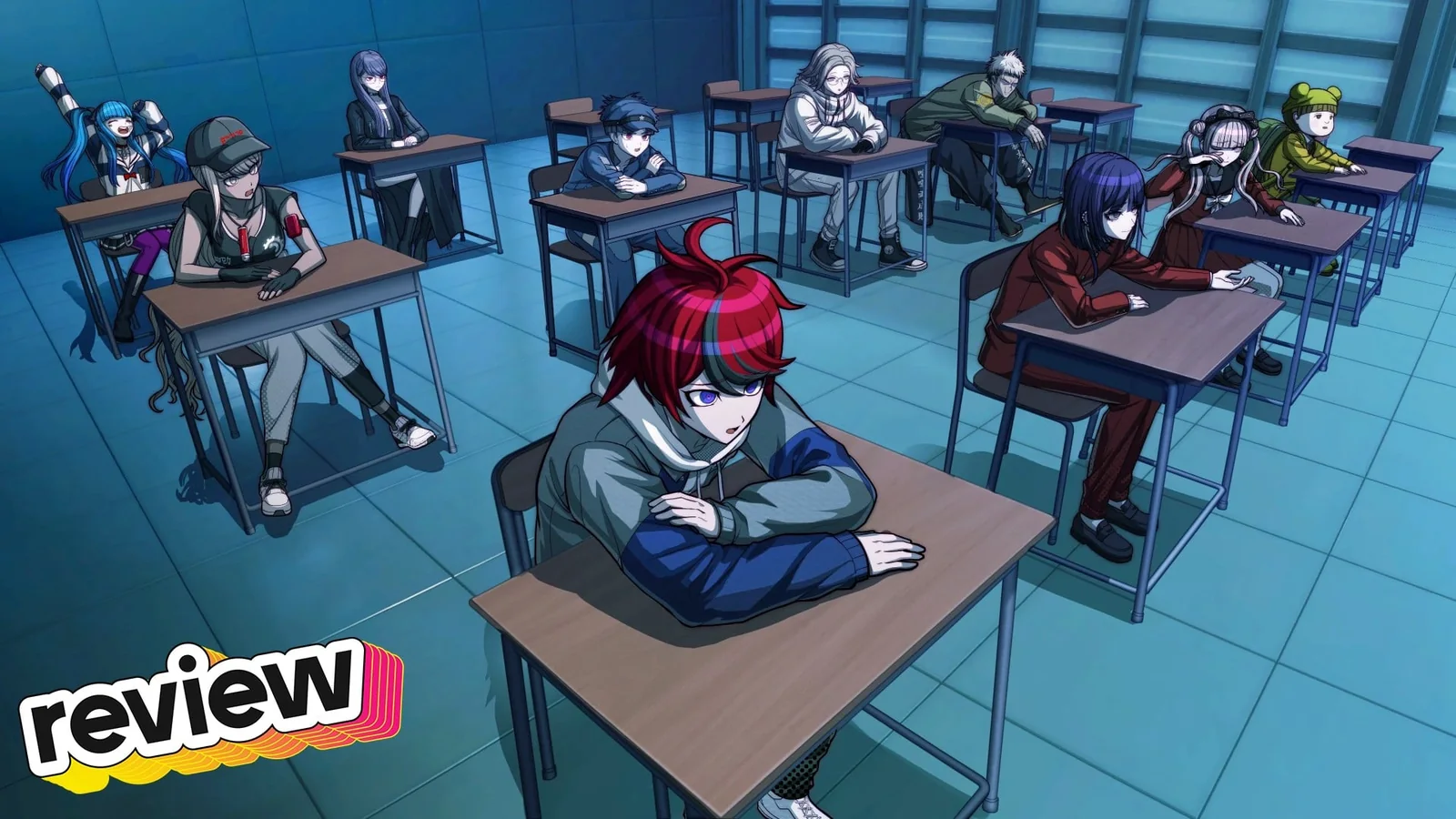
According to Kodaka, approximately one-third of the company’s revenue comes from Japan, where boxed editions of character-driven games continue to attract buyers. The studio also uses retailer-exclusive bonuses to appeal to fans of games with anime and manga influences, including The Hundred Line: Last Defense Academy.
Although Too Kyo Games also releases its titles digitally and through Steam, Kodaka said physical console editions remain a major business priority.
That approach creates significant scheduling challenges. Physical releases require developers to submit a master build early enough for cartridge or disc manufacturing, packaging, distribution and retail delivery. Collector’s editions can introduce additional delays because manufacturers must also prepare figures, accessories and specialized packaging.
Kodaka explained that these requirements become especially demanding for limited editions distributed in North America and Europe, where production deadlines can arrive much earlier than developers would prefer.
Rather than treating the submitted master as the final version, Too Kyo Games sometimes continues improving the game through downloadable updates.
“We sometimes submit builds where we think, ‘No one should ever play it in this state,'” Kodaka said, according to the translated account of the discussion.
He added that the studio sometimes submits builds that only narrowly satisfy platform certification requirements, assuming players will connect to the internet and install subsequent updates.
The remarks were delivered partly humorously, rather than as a formal disclosure of defects in a particular release. Kodaka did not identify specific games that shipped with unacceptable offline performance or provide technical details about problems in any submitted build.
Yoshida responded by joking that developers effectively release physical copies while hoping players download the day-one patch before experiencing the original version. Kodaka agreed, then humorously questioned whether he should be sharing such details at a public industry event.
The exchange highlights an important distinction between a game passing platform certification and being in the state its creators ultimately intend players to experience. Certification establishes compliance with platform requirements, but it does not necessarily mean every planned improvement or correction has been incorporated into the physical master.
For players who purchase boxed games, this raises questions about how much of the intended experience is preserved on the disc or cartridge itself.
A physical copy may contain a version that technically runs without downloading an update but still lacks important launch-day improvements. Players with unreliable internet connections, limited download access or an interest in preserving games for future offline use could therefore encounter a different experience from someone who installs the latest patch.
This concern is particularly relevant to Nintendo’s physical game ecosystem, where discussions about cartridge manufacturing and download-dependent releases have intensified. Developments such as Macronix's planned phaseout of ROM production used in Nintendo Switch cartridges have also raised questions about the future of physical distribution.
At the same time, physical releases continue to attract collectors. Upcoming offerings such as the physical Nintendo Switch release of Mega Man X Legacy Collection 2 demonstrate the continuing market for boxed editions and collectible packaging.
Kodaka’s comments do not establish that physical copies of The Hundred Line or other Too Kyo Games titles are unplayable without updates. Nor do they prove that every physical game release depends on a substantial day-one patch.
Instead, they provide first-hand insight into a production practice that can leave a gap between the version manufactured for retail and the version developers expect customers to play.
For physical game collectors and preservation enthusiasts, that distinction matters because the contents of a cartridge or disc cannot automatically be assumed to represent the finished launch experience.
