


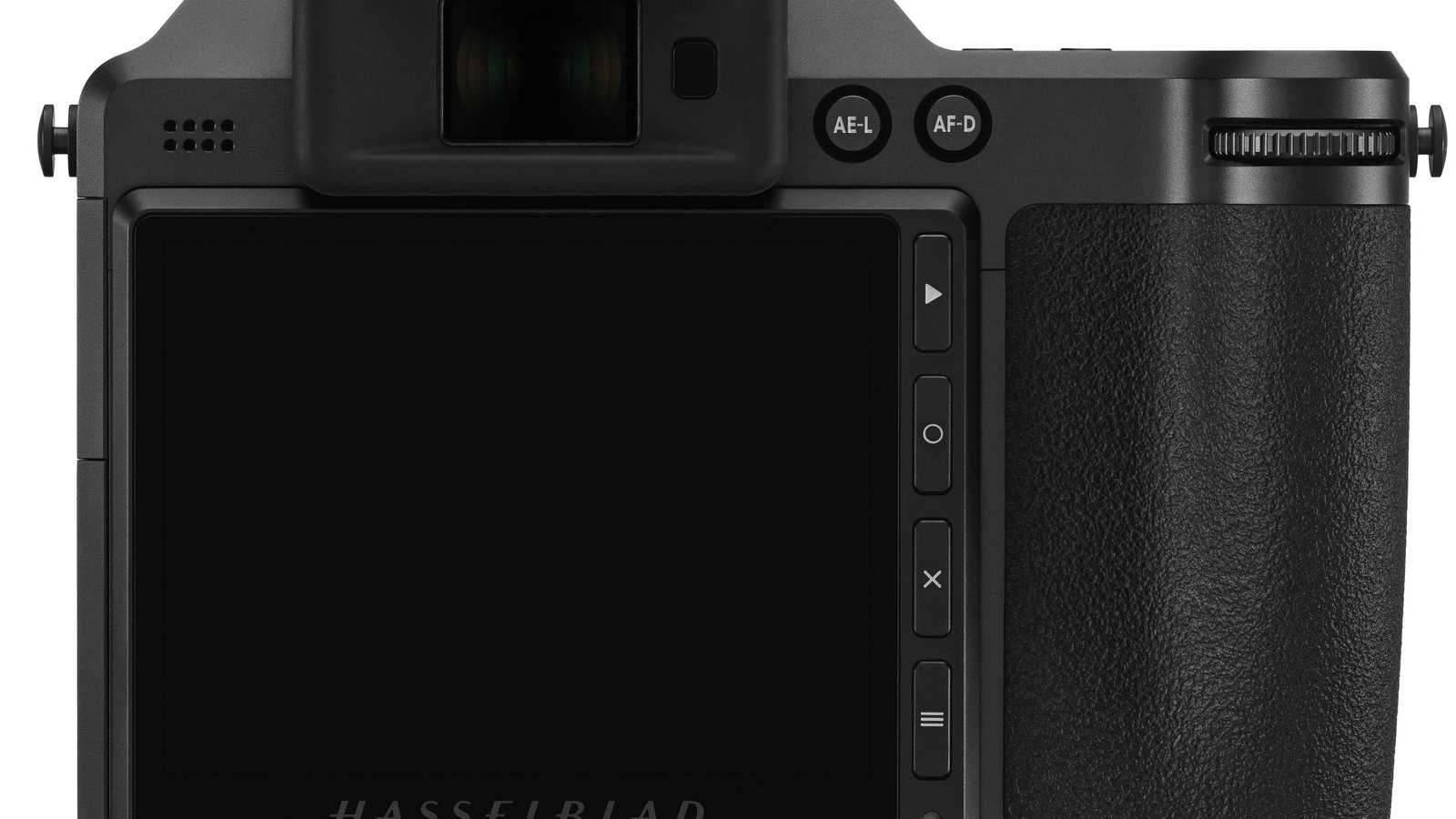
Doom has been ported to Hasselblad’s X2D 100C medium-format camera, continuing the long-running tradition of running id Software’s 1993 shooter on increasingly unlikely hardware. Independent researcher Radium Wang demonstrated the game running directly on the camera and has published the associated work as part of an open-source Hasselblad firmware research project. The X2D currently sells for $8,199 from Hasselblad, making this one of the more expensive pieces of hardware to join the “Can it run Doom?” list.
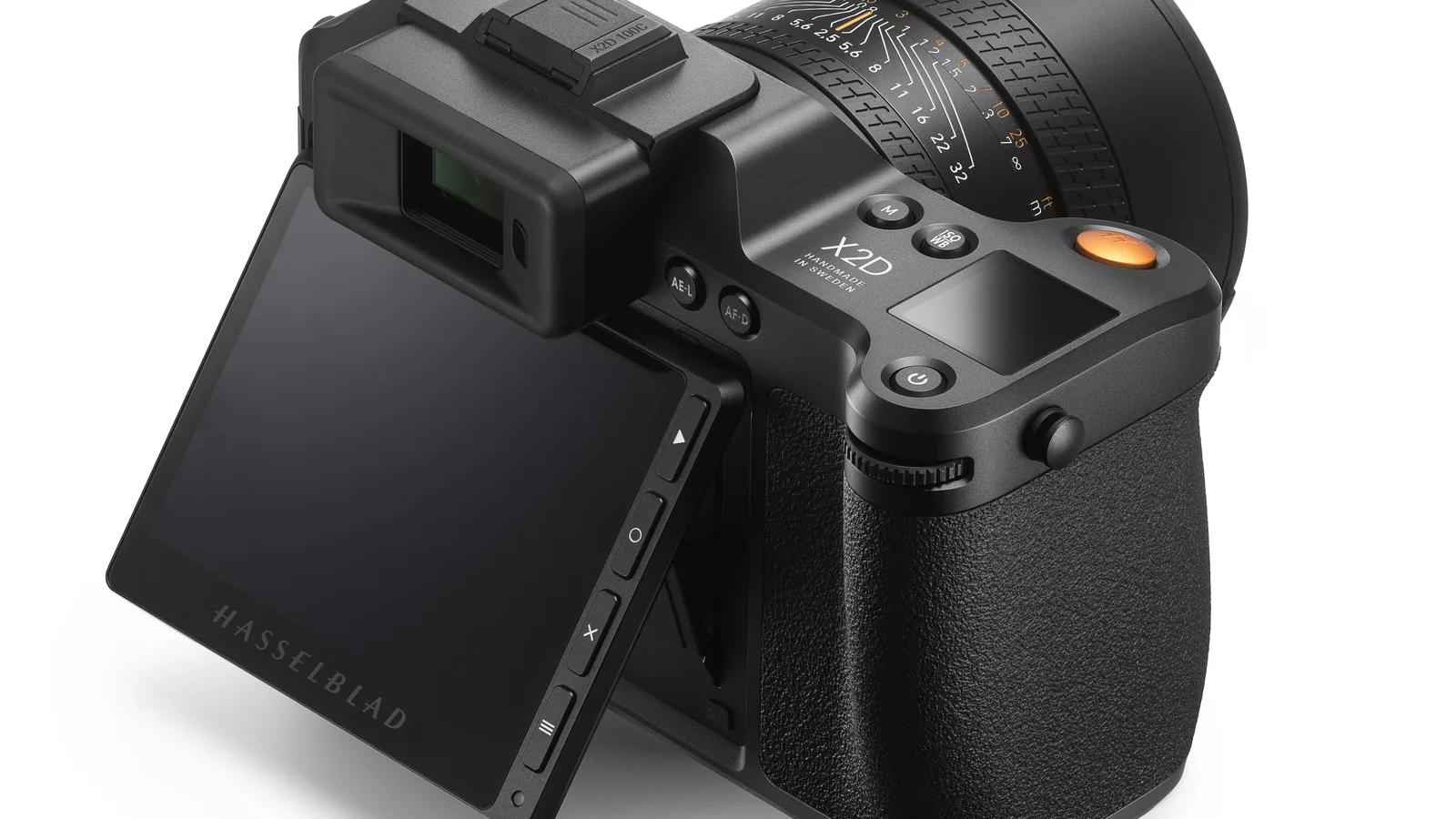
The implementation uses the X2D’s own controls rather than relying on an external gamepad. Wang’s project describes touchscreen swipe input for turning, audio support and the camera’s physical shutter button being mapped to fire weapons. Hasselblad’s X2D has a 3.6-inch tilting touchscreen, so while it is hardly an ideal gaming display, it provides enough input surface for the experiment to function.
The Doom work is part of a broader repository called Hasselblad-X-System-CIM-Firmware-Research-Feature-Extensions. The project focuses on the X2D and X2D II firmware environment, including menu extensions, autofocus research, object recognition experiments and user-interface modifications. Its documentation specifically lists the Doom module as hardware-validated work on the X2D 100C rather than merely a mock-up running elsewhere.
Wang has also published the Doom module under the GPL-2.0-or-later license, but the repository deliberately stops short of packaging Hasselblad firmware or other proprietary vendor components. The public version contains source code, offline tools, tests and sanitized research findings, while original firmware, vendor libraries, device logs and generated installation payloads are excluded. The Doom runner also requires an explicit apply step before interacting with a camera over USB and ADB.
That distinction matters because this is not a normal application installation process. The repository warns that its device-side research is experimental, tied to specific hardware and firmware conditions and performed at the user’s own risk. It does not provide a one-click flashing package or guarantee that the modifications will work across different X2D units or firmware revisions.
The camera itself is considerably more capable than Doom’s original target hardware. Hasselblad’s X2D 100C uses a 102-megapixel medium-format sensor, includes a built-in 1TB SSD and has a 3.6-inch 2.36-million-dot touchscreen. Doom originally required a far more modest PC with an Intel 386-class processor, 4MB of memory and VGA graphics, making raw computing performance the least surprising part of getting the game to run on a modern digital camera.
What makes the project interesting is the software access rather than the processing requirement. Digital cameras are sophisticated embedded computers, but their operating environments are normally tightly controlled by manufacturers and designed around photography rather than general-purpose applications. Getting Doom onto one therefore demonstrates how much functionality can be exposed once researchers understand enough of the underlying firmware and interface layers.
It also joins an increasingly elaborate collection of unconventional Doom ports. Developers have managed to make the game run on everything from calculators and appliances to other cameras and tiny embedded devices. A recent project even implemented Doom’s game logic and renderer inside a SQL database, showing how far the challenge has moved beyond simply finding hardware powerful enough to execute the original code.
Wang’s work is still framed primarily as firmware research rather than an attempt to turn the X2D into a gaming platform. The repository includes multiple experimental features and repeatedly distinguishes between source-level findings, offline validation and actual hardware testing. Doom is simply the most immediately recognizable demonstration of what that access can enable.
There is little practical reason for anyone to play Doom on a professional medium-format camera, especially one worth more than many complete gaming PCs. That is also largely the point. The experiment shows that the X2D’s embedded system can be pushed well beyond its intended photography interface, while adding another unusually expensive device to Doom’s decades-long history of appearing on hardware it was never designed to run on.
