



Current and former Electronic Arts employees have criticized the publisher’s management practices following its latest round of layoffs, describing declining morale, disrupted game development and increasing pressure to adopt generative AI tools. The allegations emerge less than a week after EA reportedly eliminated approximately 400 positions across multiple studios, including the closure of BioWare.
In an investigation published on October 27, 2026, Vertical Slice journalist Chris Kerr interviewed several current and former EA workers who spoke anonymously about conditions inside the company. Their accounts describe uncertainty surrounding layoffs, disagreements over production priorities and growing frustration with senior management.
The report provides new details about the internal consequences of EA’s restructuring, which has affected teams associated with Mass Effect, Skate, The Sims, Battlefield and other major gaming franchises.
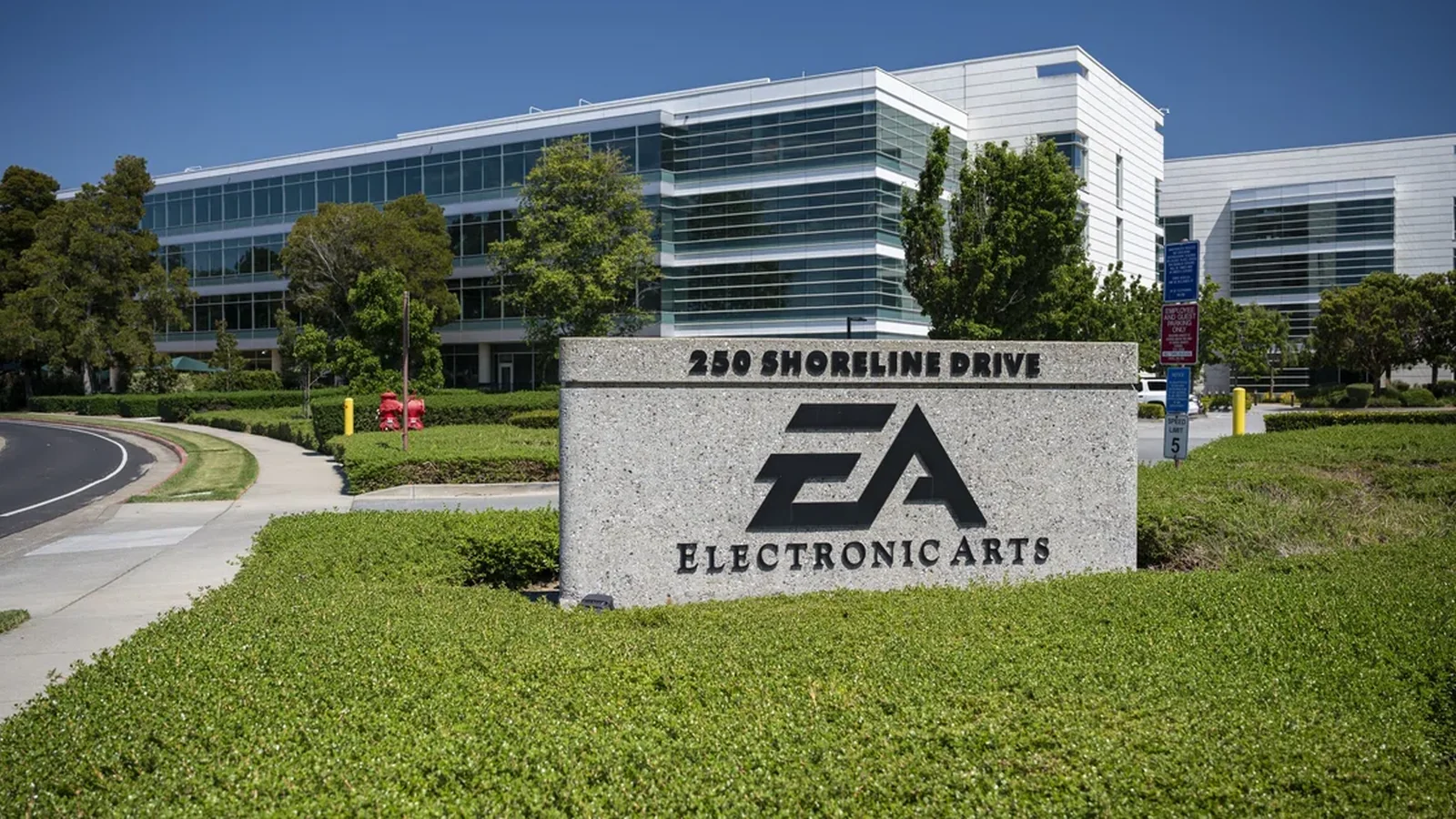
Employees interviewed by Vertical Slice claimed that EA’s layoff procedures frequently leave remaining staff uncertain about which colleagues have departed. Although workforce reductions are communicated internally, the company reportedly does not consistently disclose the identities of affected employees to individual teams or even some managers.
According to one source, the resulting confusion can take a week or two to resolve, particularly when employees responsible for unfinished tasks disappear from ongoing production workflows. Teams must then determine which assignments remain incomplete and how to redistribute responsibilities among fewer developers.
Several affected workers also described being informed of their dismissals through Zoom meetings where participant visibility and chat functionality were disabled. They said the format prevented employees from asking questions or communicating directly with colleagues during the process.
Other employees reportedly discovered that coworkers had lost their jobs only after seeing farewell messages on LinkedIn. Workers questioned whether the company’s stated emphasis on protecting employee privacy justified the lack of communication.
The investigation also highlights mounting tensions over EA’s approach to generative AI.
One employee described morale as “terrible,” claiming the publisher’s repeated emphasis on doing less work more effectively had translated into maintaining existing workloads with reduced staffing.
The same source said senior management had shown considerable enthusiasm for Anthropic’s Claude and generative AI technology, despite objections within their team.
Other workers told Vertical Slice that generative AI tools were being promoted heavily throughout EA, although their use had not yet become an explicit company-wide requirement. One employee suggested that management was increasingly creating working conditions in which avoiding those tools would become difficult.
These comments represent employee accounts rather than confirmation that EA has formally mandated AI adoption or replaced specific development positions with automated systems. However, they suggest growing tension between management’s technology strategy and the concerns of some game developers.
The criticism extends to decisions affecting individual EA studios.
Following the closure of BioWare and cancellation of the next Mass Effect game, former employees questioned the publisher’s handling of the RPG developer. One source alleged that BioWare had repeatedly been pushed away from its traditional strengths in player choice, narrative consequences and companion-driven storytelling toward multiplayer and live-service development.
According to that account, substantial resources were spent pursuing creative directions that ultimately failed to produce successful projects.
Employees also raised concerns about Full Circle, the studio responsible for Skate. Despite EA reportedly describing the franchise as having long-term potential in its restructuring communications, multiple sources claimed that approximately 30% to 40% of Full Circle’s workforce had been eliminated.
The studio reportedly employed more than 100 people before those reductions. The estimated proportion comes from employee testimony and has not been independently confirmed through an official studio headcount.
Some workers additionally criticized management decisions involving EA’s Seattle-area offices. Sources described the relocation to a Kirkland facility intended to accommodate Ridgeline Games and Cliffhanger Games, studios that were subsequently closed. They argued that the relocation increased costs and commuting difficulties despite management’s emphasis on reducing expenditure.
The complaints arrive during a significant transition for EA following its $55 billion acquisition by an investor consortium led by Saudi Arabia’s Public Investment Fund, alongside Silver Lake and Affinity Partners.
Several interviewees expressed concern that the publisher’s financial priorities were increasingly influencing decisions about staffing, development budgets and the types of games receiving investment. Those concerns reflect employees’ interpretations of management decisions rather than independently established corporate intentions.
EA’s latest restructuring has also affected Maxis, Motive, Respawn Entertainment and Ripple Effect, according to the reporting. The layoffs have intensified uncertainty over the future of projects that fall outside the publisher’s established commercial priorities.
For fans of narrative-driven games, the campaign to preserve the Mass Effect franchise illustrates the wider reaction to BioWare’s closure. The employee interviews add a different perspective, suggesting that disagreements over creative direction and production management had developed internally over several years.
Vertical Slice said it contacted EA for comment. The investigation did not include a company response addressing the employees’ allegations.
The report does not establish additional studio closures or game cancellations beyond those already announced. Its main new findings concern how existing restructuring decisions are reportedly affecting developers, internal production processes and confidence in EA’s leadership.
