


Developer Kami4ka has released the F1GameStation, an open-source gaming handheld designed for retro gaming and emulation. The project combines inexpensive hardware, a 3D-printed enclosure and Linux-based firmware, with an estimated material cost of approximately $25 per unit.
According to the project’s official documentation on GitHub and Hackaday, the handheld uses an Allwinner F1C200s system-on-chip featuring an ARM926EJ-S processor and 64 MB of integrated RAM. Its 4.3-inch LCD has a resolution of 480 × 272 pixels.
The PSP-inspired design features a directional pad, four face buttons, shoulder triggers and dedicated Start, Select and Menu buttons. Storage is handled through a microSD card, while a rechargeable lithium-ion battery provides power and supports USB-C charging.
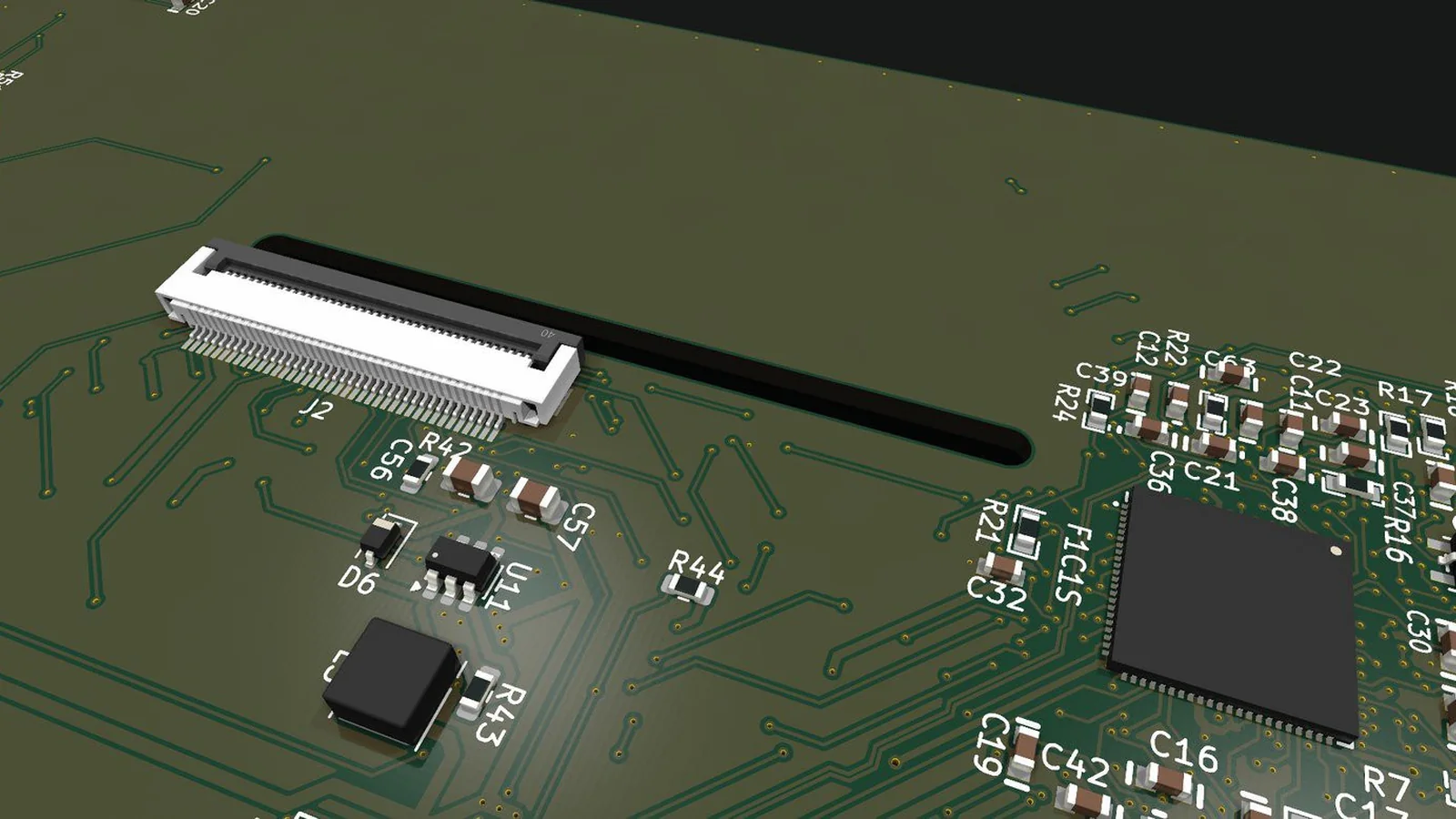
The estimated $25 construction cost includes electronic components, the display, battery, printing material and a share of the PCB manufacturing expenses. However, this figure represents material costs rather than the retail price of an assembled handheld.
Kami4ka has published the KiCad circuit board designs, manufacturing files, component lists, Fusion 360 files and printable enclosure models. Building the console requires a custom four-layer PCB, soldering equipment and access to 3D printing.
The handheld runs a modified version of MiyooCFW 2.0, featuring a custom display driver, an updated gmenu2x interface and a cover-flow game launcher. The project documentation lists support for adding games from retro platforms including the NES, SNES, Game Boy, Game Boy Advance and Sega Mega Drive.
A custom QEMU model also allows developers to run the handheld’s firmware without assembling the physical hardware. The firmware currently needs to be compiled from source using Docker, as a prebuilt system image is not available.
The initial hardware revision is functional but retains several design limitations. Three buttons require a software workaround because of ineffective internal pull-up resistors, while the shoulder switches require physical modification before installation. External pull-up resistors are planned for the second hardware revision.
