


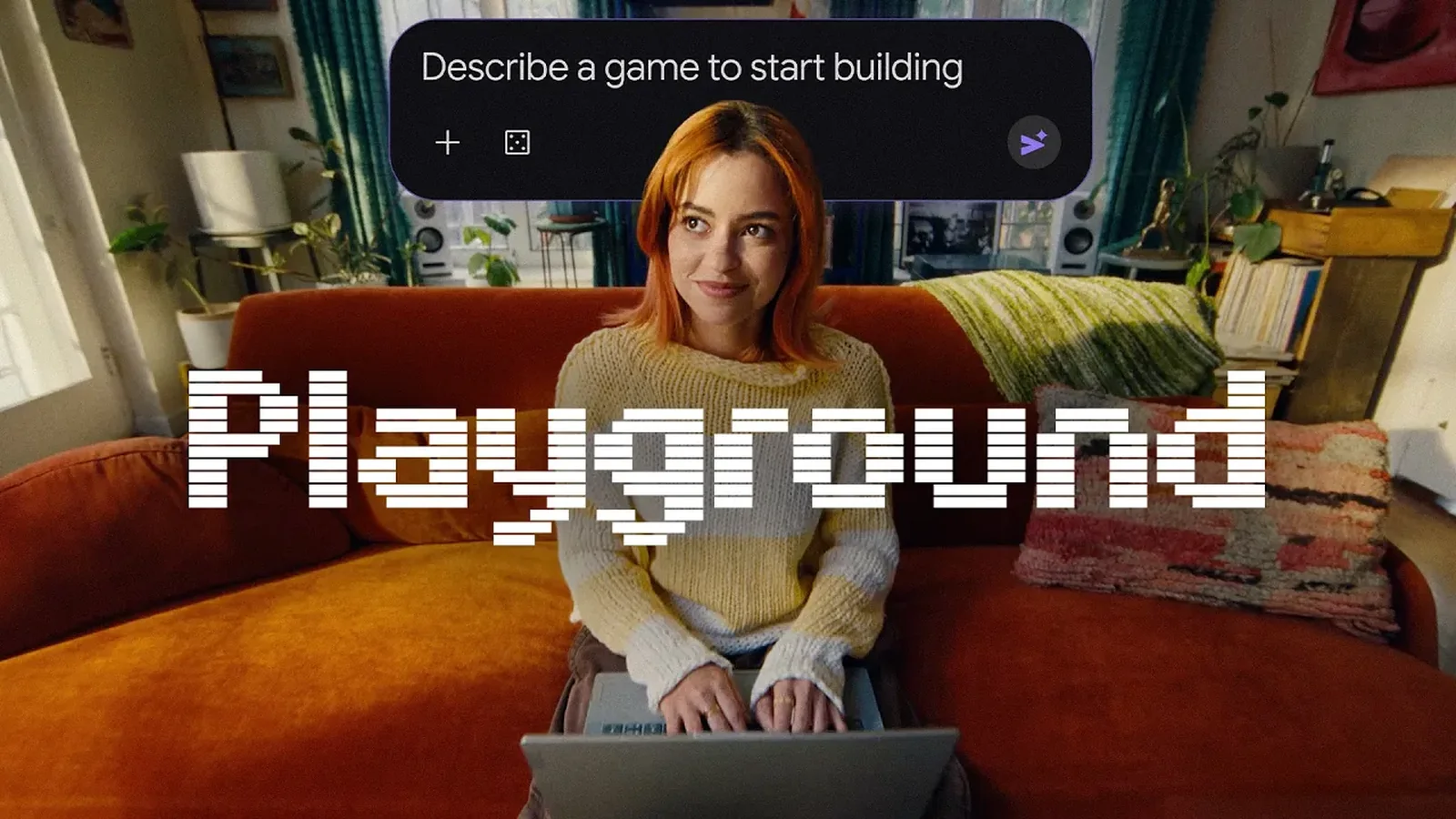
Google has launched Playground, an experimental gaming platform that lets users create playable browser games by describing what they want through text prompts. The service requires no coding experience and allows creators to build, modify, play and share games directly through a web browser. Playground is available now in the United States for users aged 18 and older, with creation limits varying by Google One membership.
Playground uses a conversational interface rather than a traditional game engine editor. Users can begin with a blank project, remix a starter prompt or use guided tools to establish a concept, then continue changing it through natural-language instructions. Google says creators can ask the system to adjust physics, rewrite rules, change characters or overhaul environments without manually editing code.
The platform already supports several recognizable game formats, with Google highlighting genres such as trivia, tower defense, racing, platformers and arcade shooters. Finished creations run in the browser and can be played on laptops or phones without requiring a separate download. Players can also browse an Explore gallery containing games made by other Playground users.
Creators decide whether a game remains private, is distributed through a shareable link or is published publicly in the Explore gallery. Google says some genres support multiplayer, while games can also include leaderboards. Users with a Google Play Games profile can create a custom handle, follow creators, like games and compete for leaderboard positions.
Google is using player ratings and activity to determine which community-created games receive additional visibility. Publicly published games go through safety screening aligned with the platform’s community guidelines, while users can also report content after publication. That gives Playground characteristics of both a creation tool and a user-generated gaming platform rather than simply an AI coding demonstration.
The launch adds another example of generative AI being applied directly to game development. Unlike tools that primarily assist programmers with scripts or assets, Playground is aimed at users who may have no technical game-development background at all. The approach contrasts with more traditional views of AI-assisted development, including developers who argue that AI works better as a supporting creative tool than as a replacement for human storytelling.
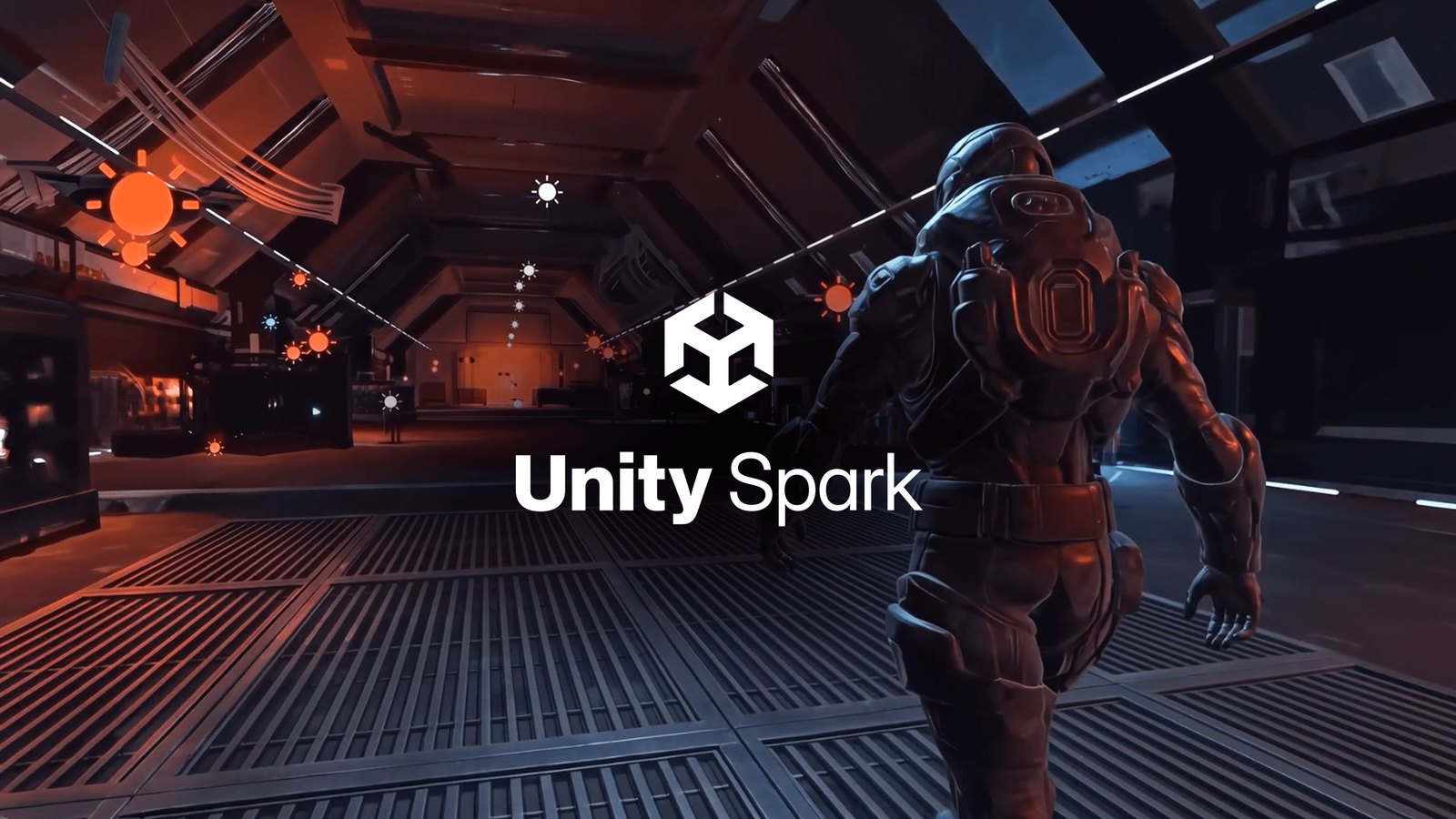
Google is also working with Unity on a more advanced creation system called Unity Spark. Unity and Google announced the partnership alongside Playground, describing Spark as a browser-based product designed to offer deeper game-building capabilities without requiring previous Unity experience. A closed beta is planned, with the platform expected to introduce more sophisticated mechanics, higher-fidelity 3D capabilities and access to the Unity runtime.
Unity says Spark will connect with the Unity Asset Store, allowing creators to work with artist-created assets rather than relying exclusively on generated content. The company has emphasized that the product is intended for iterative game creation rather than producing a finished copy of an existing game from a single prompt. Games created through Unity Spark are also expected to become playable through Playground.
The browser delivery model is an important part of Google’s strategy. Playground creations can move directly from generation to play without requiring users to install an executable or distribute a conventional game build. Browser-based gaming itself is not new — projects such as the unofficial GTA V WebAssembly browser port have demonstrated how much can run inside modern browsers — but Playground is attempting to combine that accessibility with AI-driven creation and an integrated community.
Google describes Playground as an early experiment rather than a finished professional development environment. The company says the platform will continue changing in response to feedback, while Unity Spark is intended to provide a path toward more advanced projects for creators who outgrow Playground’s simpler tools.
For now, Playground is positioned primarily as an accessible way to turn a game idea into something immediately playable. Its broader significance will depend on how capable the generated games become, how effectively Google manages the flood of user-created content and whether creators can progress from quick experiments into experiences players actually want to keep playing.
