


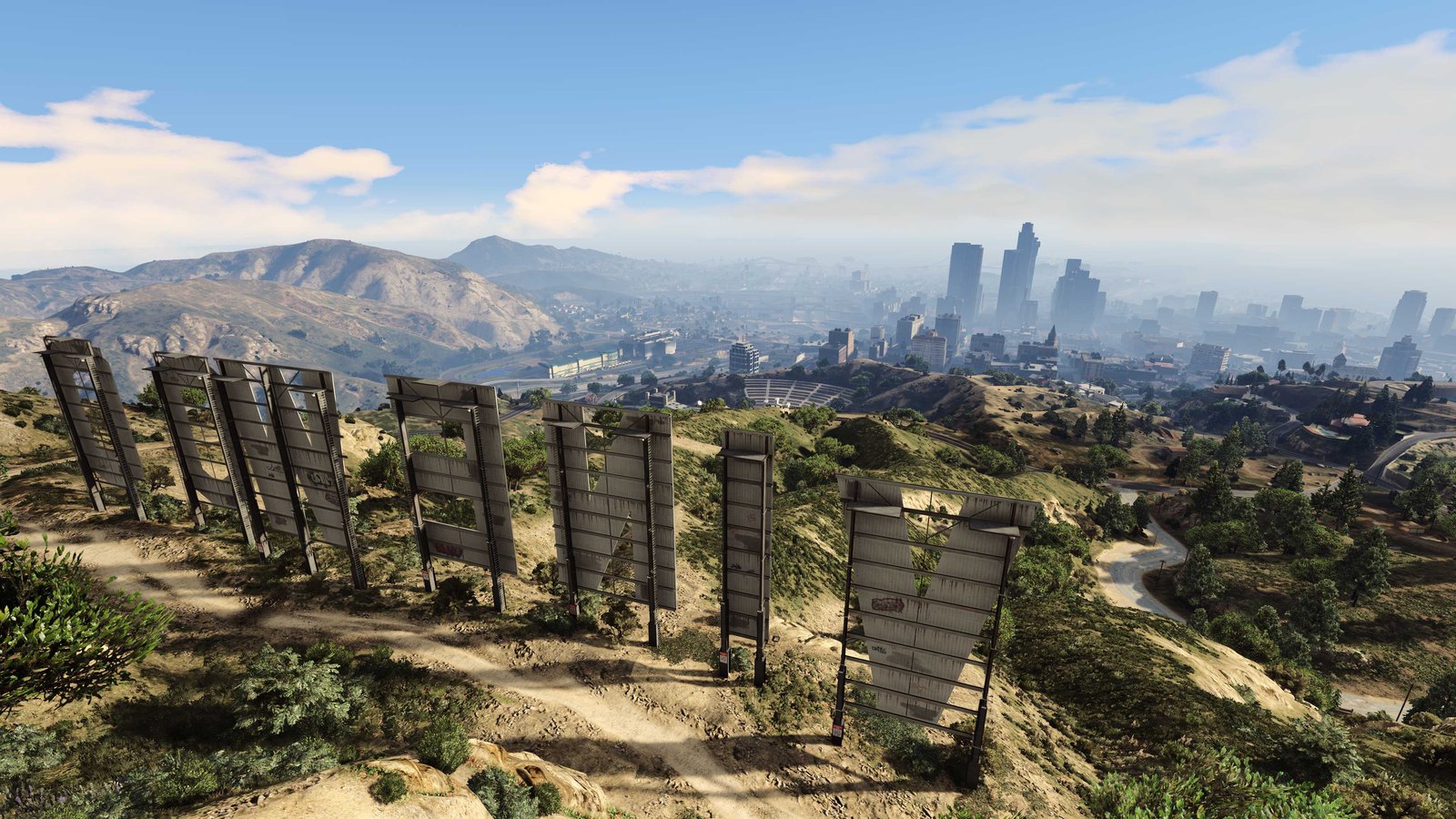
An unofficial version of Grand Theft Auto V briefly became playable directly inside web browsers on October 6 before the website hosting it went offline only hours after attracting widespread attention. The project, hosted at PlayGTA5.com, was demonstrated running GTA V in Google Chrome without a conventional Windows installation or cloud-gaming video stream. The site subsequently stopped offering the game and displayed a short “Thanks for Playing!” message.
Attention around the project accelerated after Pixel Gamer 4K posted footage showing GTA V running inside Chrome on an Apple M3 Pro system. Initial reports said the browser downloaded roughly 700MB before gameplay began, although that figure did not represent the full size of the game being served. Players who accessed the project also reported support for keyboard and mouse, controllers and touchscreen input, while GTA Online was not available.
The most interesting part of the project was how GTA V actually reached the browser. A technical examination of PlayGTA5.com found that it was not conventional cloud gaming and instead used a version of Rockstar’s game engine compiled to WebAssembly, with WebGPU handling graphics in the browser. WebAssembly allows compiled code to execute at relatively high speed within modern browsers, making it possible for software normally built as a native application to run inside a web page.

That analysis also challenges early claims that GTA V itself had somehow been compressed to only around 700MB. The site reportedly served approximately 20.9GB of Rockstar game data, with additional assets delivered as they were needed rather than requiring users to download the complete package before starting. The initial browser download was therefore closer to a starting footprint than the total size of the browser version.
More significantly, the technical investigation concluded that the executable was built from GTA V’s own C++ source rather than being a clean-room recreation of the game. The project was widely linked to source code obtained from Rockstar material that leaked following the company’s 2022 security breach, although the anonymous operators behind PlayGTA5.com did not publish detailed technical documentation explaining its development. Claims that artificial intelligence was used to help convert or adapt the code also circulated alongside the project, including from Wonder Interactive founder Alex St. Louis, who described it as an AI-assisted WebAssembly port.
That distinction creates a very different situation from browser projects that merely provide a new engine and require users to supply legitimately owned game files themselves. PlayGTA5.com was reportedly serving Rockstar game assets alongside the browser executable, making it an unauthorized distribution rather than simply a compatibility layer. Rockstar’s policies have also placed unofficial ports on unsupported platforms in a precarious position, something already highlighted by the unofficial native GTA V Switch project.
Exactly why PlayGTA5.com disappeared has not been publicly confirmed. Several reports attributed the shutdown to Rockstar Games or parent company Take-Two Interactive, but neither company had publicly confirmed issuing a takedown against the browser project at the time of writing. Given Take-Two’s history of aggressively protecting leaked and unauthorized Grand Theft Auto material, including DMCA action involving leaked GTA VI material, legal pressure is an obvious possibility, but it should not be treated as confirmed without a statement or documented notice.
Before disappearing, the browser build appeared capable of loading GTA V’s story mode and allowing players to move around Los Santos locally on their own hardware. Some demonstrations also claimed the project could load development material associated with GTA VI, further increasing the legal sensitivity surrounding it. The rapid spread of gameplay footage nevertheless provided substantial evidence that the underlying browser implementation itself was functional rather than simply a prerecorded demonstration.
The project’s short lifespan leaves the technical achievement as the more durable part of the story. Running a game as complex as GTA V through WebAssembly and WebGPU shows how much browser runtimes have advanced, even if this particular implementation relied on proprietary code and copyrighted assets that made a long public life unlikely. For a few hours, however, one of the largest PC games of the past decade was running locally inside an ordinary browser tab without its traditional installation process.
