


Intel’s previously unannounced Core Ultra 7 260K desktop processor has appeared in ABS prebuilt gaming PCs sold through Newegg, introducing a limited-availability Arrow Lake CPU that closely resembles the existing Core Ultra 7 265K. The processor features 20 cores, a reported maximum turbo frequency of 5.4GHz and a 125W base power rating. Despite being offered in complete gaming systems, the chip has not yet received a public specification listing in Intel’s processor database.
Intel confirmed to Tom’s Hardware that the Core Ultra 7 260K is a limited-availability SKU and is not currently offered as a boxed retail processor. The company also indicated that official specifications should appear on its website within the coming days. Newegg separately confirmed that the processor is exclusive to its ABS prebuilt gaming desktops, rather than being distributed as a standalone component.
Newegg’s own November 10 product guide provides the clearest currently available specification breakdown. The Core Ultra 7 260K uses an eight Performance-core and twelve Efficient-core configuration, giving it 20 cores in total. It includes 30MB of Intel Smart Cache, supports DDR5 memory speeds up to 6400MT/s and has a stated maximum memory capacity of 256GB.
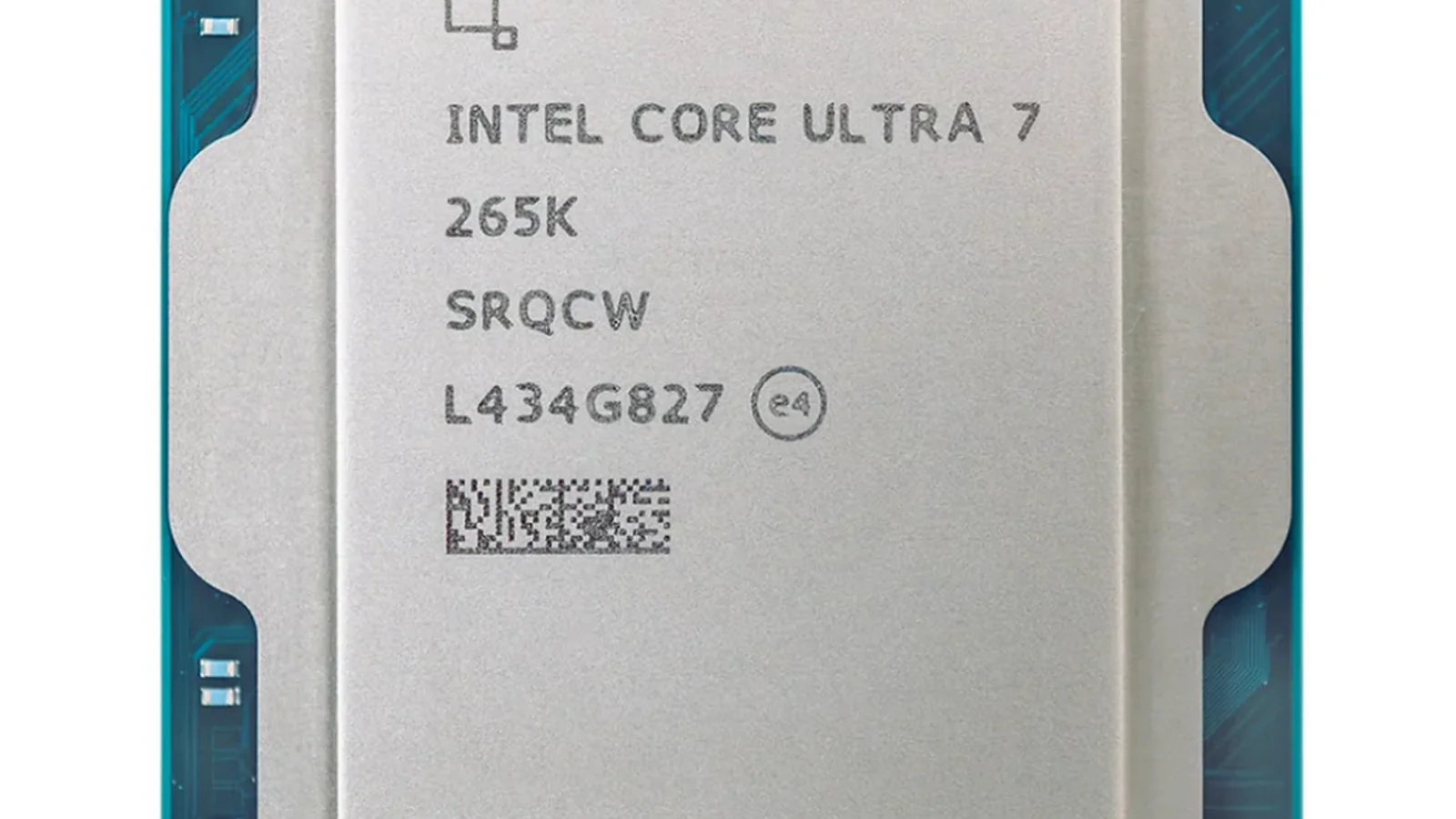
Its Performance-cores operate at a base frequency of 3.9GHz, with a maximum turbo frequency of 5.4GHz. The processor also carries a 125W base power rating, matching the Core Ultra 7 265K.
The comparison with the existing 265K is particularly notable. Both processors feature the same core configuration, L3 cache capacity, Performance-core base frequency and listed memory support. Their principal disclosed difference is the maximum turbo clock: 5.4GHz for the 260K versus 5.5GHz for the 265K.
That represents a 100MHz reduction in maximum clock speed, although it does not establish a corresponding difference in gaming performance. Actual results depend on factors including sustained operating frequencies, cooling, memory configuration, processor power limits and the graphics card installed in each system. Independent gaming benchmarks for the 260K have not yet established how closely it performs to the 265K.
The newly identified processor belongs to Intel’s original Arrow Lake desktop family rather than the newer Arrow Lake Refresh lineup. Its published DDR5-6400 memory support also distinguishes it from refreshed models supporting higher official memory speeds.
Newegg currently identifies two ABS gaming desktop configurations featuring the processor. The ABS Kaze II Aqua pairs the Core Ultra 7 260K with an Nvidia GeForce RTX 5060 featuring 8GB of GDDR7 memory. The system also includes 32GB of DDR5-6000 RAM, a 1TB PCIe 4.0 NVMe SSD, an Intel B860 motherboard and a 360mm liquid CPU cooler.
The ABS Flux II Aqua uses the same processor but pairs it with a GeForce RTX 5070 featuring 12GB of GDDR7 memory. Its remaining configuration includes 32GB of DDR5-6000 RAM, a 1TB PCIe 4.0 NVMe SSD, an ASRock B860M-C motherboard and a 240mm liquid cooler.
Both desktops therefore offer different graphics and cooling configurations around the same CPU. For prospective buyers, their overall gaming performance will need to be evaluated against similarly priced systems using established processors, rather than assuming the new 260K designation represents an architectural upgrade.
Some uncertainty remains around the processor’s exact specifications. Tom’s Hardware identified inconsistencies in Newegg’s product information, including an option selector referring to the CPU as the Core Ultra 7 260KF and another specification showing a 5.2GHz maximum boost clock. Those details conflict with the 260K branding and 5.4GHz maximum turbo frequency presented in Newegg’s dedicated processor guide.
The distinction between K and KF branding matters because Intel’s KF desktop processors typically lack integrated graphics. Until Intel publishes the complete specifications, the conflicting retailer information leaves the processor’s precise configuration incompletely documented.
The Core Ultra 7 260K also arrives as Intel’s wider desktop processor roadmap continues developing, with leaked Nova Lake-S gaming performance projections pointing toward potential improvements in a future generation. Unlike those unconfirmed projections, however, the 260K is already being offered in commercial gaming PCs.
For now, the Core Ultra 7 260K represents an additional Arrow Lake configuration available through a restricted prebuilt channel. Its close specification match to the 265K makes system pricing, graphics hardware and independently measured performance the key considerations for buyers. Intel’s forthcoming official specification listing should also clarify the remaining differences between the two processors.
