


Jagex has removed a RuneScape trailer for the upcoming Dragon Slayer II quest after players identified apparent generative AI artwork in the video. The studio says the trailer was produced by a trusted external partner that had explicitly confirmed generative AI would not be used, and it has now apologized while investigating how the material passed internal review. The incident is particularly notable because Jagex says it does not use generative AI to create its games, artwork or other creative assets.
The trailer debuted around RuneFest 2026 and was intended to promote Dragon Slayer II, one of the major quests planned for RuneScape’s 2027 roadmap. Players quickly highlighted visual details that appeared inconsistent with hand-created artwork, including a knight with six fingers and unusual footwear. Jagex subsequently removed the trailer and acknowledged that those details were difficult to explain away.
In a public statement, the company said the external partner responsible for the video had specifically assured Jagex that generative AI would not be used. Jagex stressed that it does not knowingly permit AI-generated creative work to be produced on its behalf, making the issue not just a problem with the contractor but also with its own approval process. The studio said it is now overhauling those review procedures following RuneFest.
The controversy comes at an awkward time because this is the second AI-related issue involving one of Jagex’s partners in quick succession. A separate collaboration with 100 Thieves had already drawn criticism after generative AI was reportedly used in designs associated with Old School RuneScape. Jagex said the repeated incidents demonstrate that its current processes for reviewing external work are not sufficient.
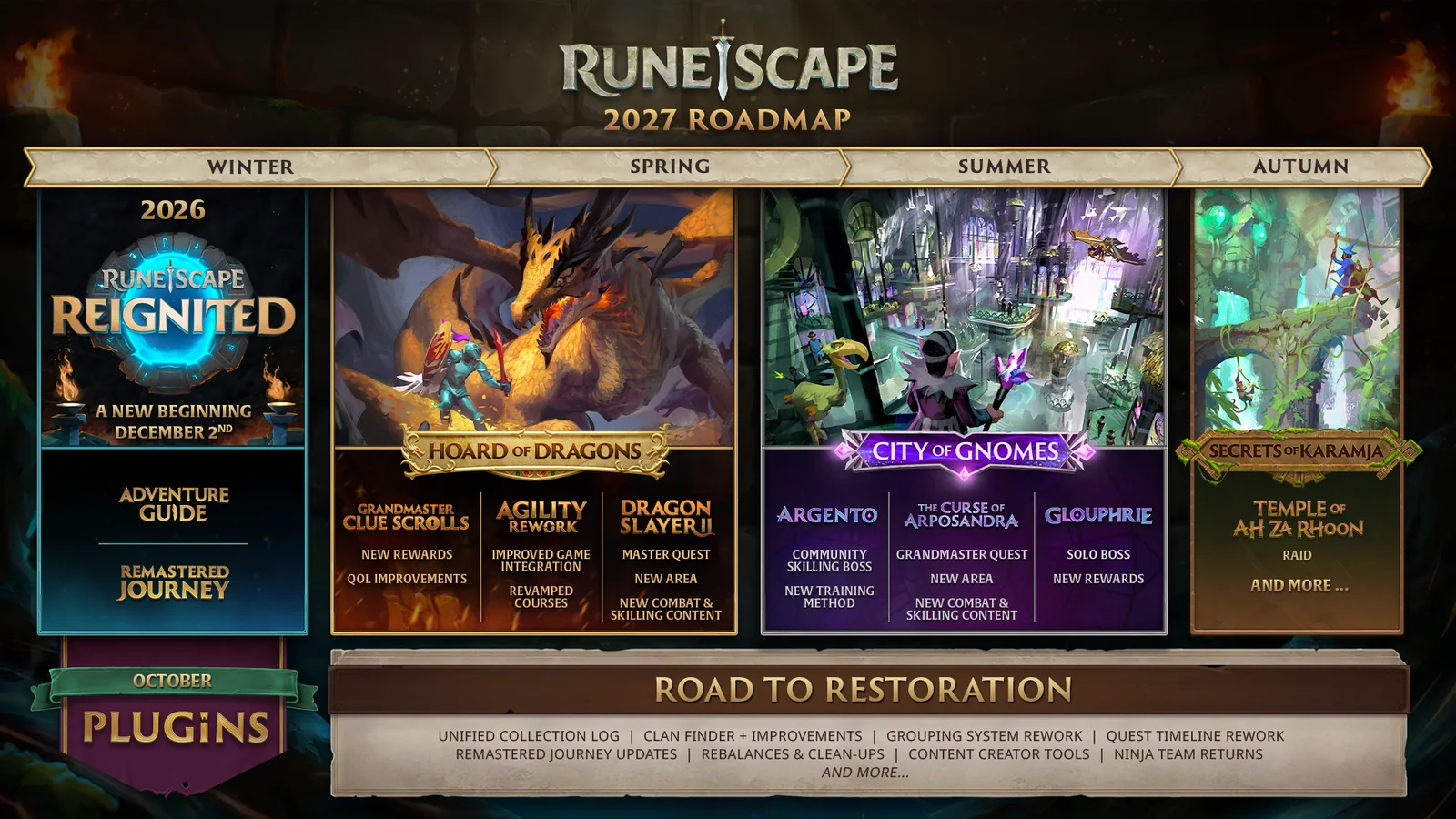
Dragon Slayer II itself remains a major part of RuneScape’s 2027 plans. Jagex’s official roadmap says the quest will form part of the first story arc, Hoard of Dragons, which begins in early 2027 and revisits the legacy of the original Dragon Slayer quest. The update will send players to Dragon Isle, introduce new activities involving dragons and their eggs, and further explore Oziach’s history and connection to the threat facing Gielinor.
Jagex has said it wants to work more closely with community artists and creators when rebuilding the promotional material around Dragon Slayer II. The company said it intends to commission members of the RuneScape community so the story can be presented at the standard expected for such a significant update. That response goes beyond simply removing the trailer and suggests the studio plans to change how creative work from outside partners is sourced and approved.
The issue also arrives as Jagex is expanding RuneScape more broadly. The company recently unveiled a new RuneScape MMO being developed in Unreal Engine, while the main game is entering a new phase built around RuneScape Reignited and an unusually large 2027 content roadmap. Maintaining player trust around how artwork and promotional material are produced is therefore likely to remain important as the company increases the scale of its projects.
Generative AI has become a growing source of friction across the games industry, particularly when studios use it for player-facing art, writing or promotional assets without disclosure. Some developers have argued that AI can support production workflows while drawing a line at replacing creative authorship, an approach reflected in comments from creators such as Disgaea creator Sohei Niikawa on AI-assisted development. Jagex’s stated position is stricter, with the company saying generative AI should not appear in its creative assets at all.
For now, the Dragon Slayer II trailer remains withdrawn while Jagex investigates the incident and updates its review procedures. The quest itself has not been delayed or altered as a result of the controversy, and its place in the early 2027 roadmap remains unchanged. The immediate consequence is instead a renewed focus on how Jagex manages external creative partners after two AI-related failures in a short period.
