


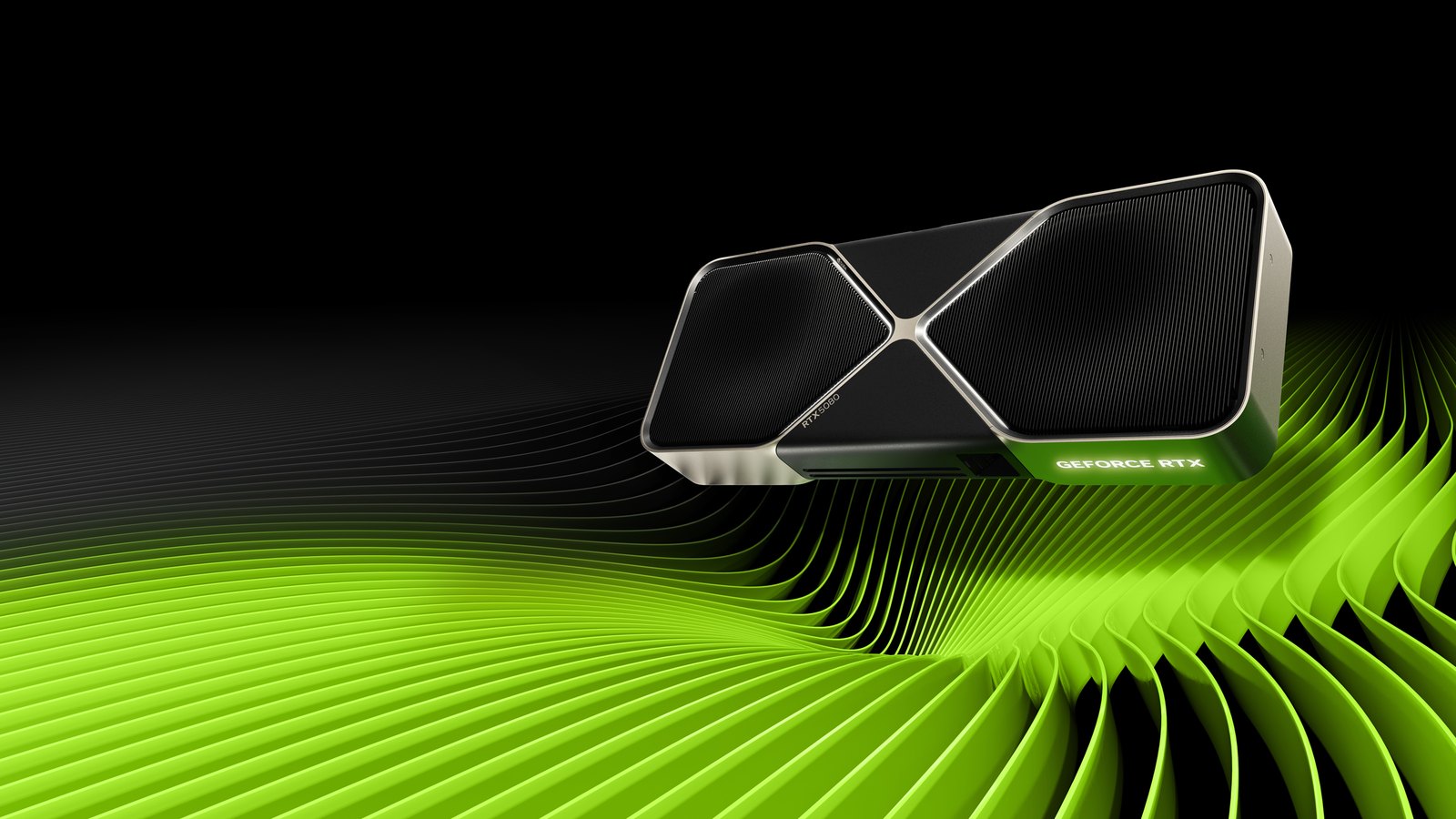
Nvidia’s next-generation GeForce graphics cards are now reportedly planned for 2028, according to hardware leaker kopite7kimi. The leaker says the GR20x gaming GPU family, widely expected to underpin Nvidia’s eventual RTX 60 series, has been pushed beyond the previously rumored second half of 2027. Nvidia has not officially announced the consumer GR20x lineup, an RTX 60 product family or a release date, so the new timing remains unconfirmed.
Kopite7kimi disclosed the revised schedule on September 21, saying that GR20x is now a “product from 2028” and describing the change as another postponement. That represents a notable revision from the leaker’s earlier information, which placed the gaming-focused Rubin family in the second half of 2027. Kopite7kimi also indicated that future updates would be limited until more definite information becomes available, underscoring the uncertainty surrounding Nvidia’s consumer roadmap this far ahead of launch.
The report independently lines up with information shared several days earlier by hardware leaker Kepler_L2, who also claimed Nvidia’s next gaming generation had moved to 2028. Kepler_L2 additionally said most of AMD’s upcoming RDNA 5 lineup was targeting 2028, with a single AT2-based product potentially remaining on the schedule for 2027. The agreement between two separate sources strengthens the report that Nvidia’s next consumer generation may not arrive next year, although it still does not amount to official confirmation.
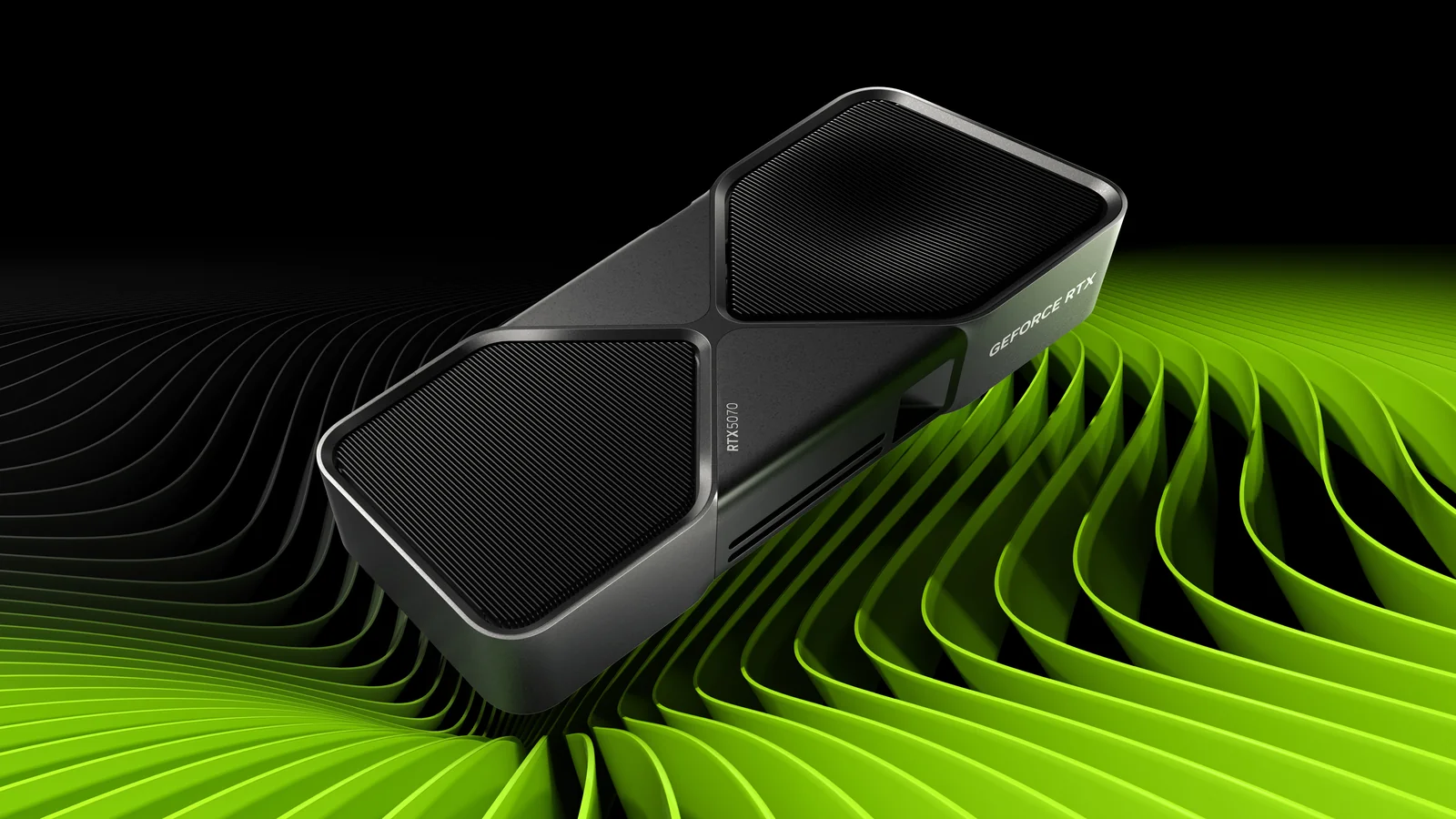
GR20x is believed to refer to Nvidia’s gaming implementation of its Rubin architecture. Nvidia has already publicly detailed Rubin for data-center workloads, including its new Rubin GPU and Vera Rubin platform, but the company has not provided specifications or branding for a consumer gaming derivative. Consequently, details such as RTX 60 model names, CUDA core configurations, memory capacities, power requirements and pricing remain unknown.
A 2028 launch would create an unusually long interval between Nvidia’s major consumer GPU generations. The GeForce RTX 50 series based on Blackwell began arriving in early 2025, meaning a 2028 successor would extend the Blackwell generation across roughly three calendar years. Nvidia could still introduce additional products or refreshes during that period, but no future GeForce lineup beyond the current generation has been formally announced.
The reason for the reported schedule change is also unclear. Some reports have connected potential GPU delays to elevated memory costs, constrained semiconductor resources and Nvidia’s substantial demand for AI accelerators, but kopite7kimi’s post did not identify a cause for the revised GR20x timing. Nvidia’s Rubin data-center hardware is already a major part of the company’s AI roadmap, yet that does not establish that enterprise demand is responsible for any consumer delay.
There has also been speculation around a possible RTX 50 SUPER refresh that could extend the current generation, although Nvidia has not announced such a lineup either. Reports surrounding those cards have shifted repeatedly, particularly around configurations using higher-density GDDR7 memory, leaving their eventual release status uncertain. If GR20x is genuinely targeting 2028, however, Nvidia would have significantly more time to expand or reposition its Blackwell-based consumer portfolio before introducing a completely new gaming architecture.
For now, the most significant development is the change in kopite7kimi’s own timeline. A source that previously pointed to the second half of 2027 is now explicitly placing GR20x in 2028, while Kepler_L2 has separately indicated the same year for Nvidia’s next-generation gaming GPUs. Until Nvidia reveals its consumer roadmap, the RTX 60 name, Rubin connection and 2028 timing should all be treated as reported information rather than confirmed product plans.
