


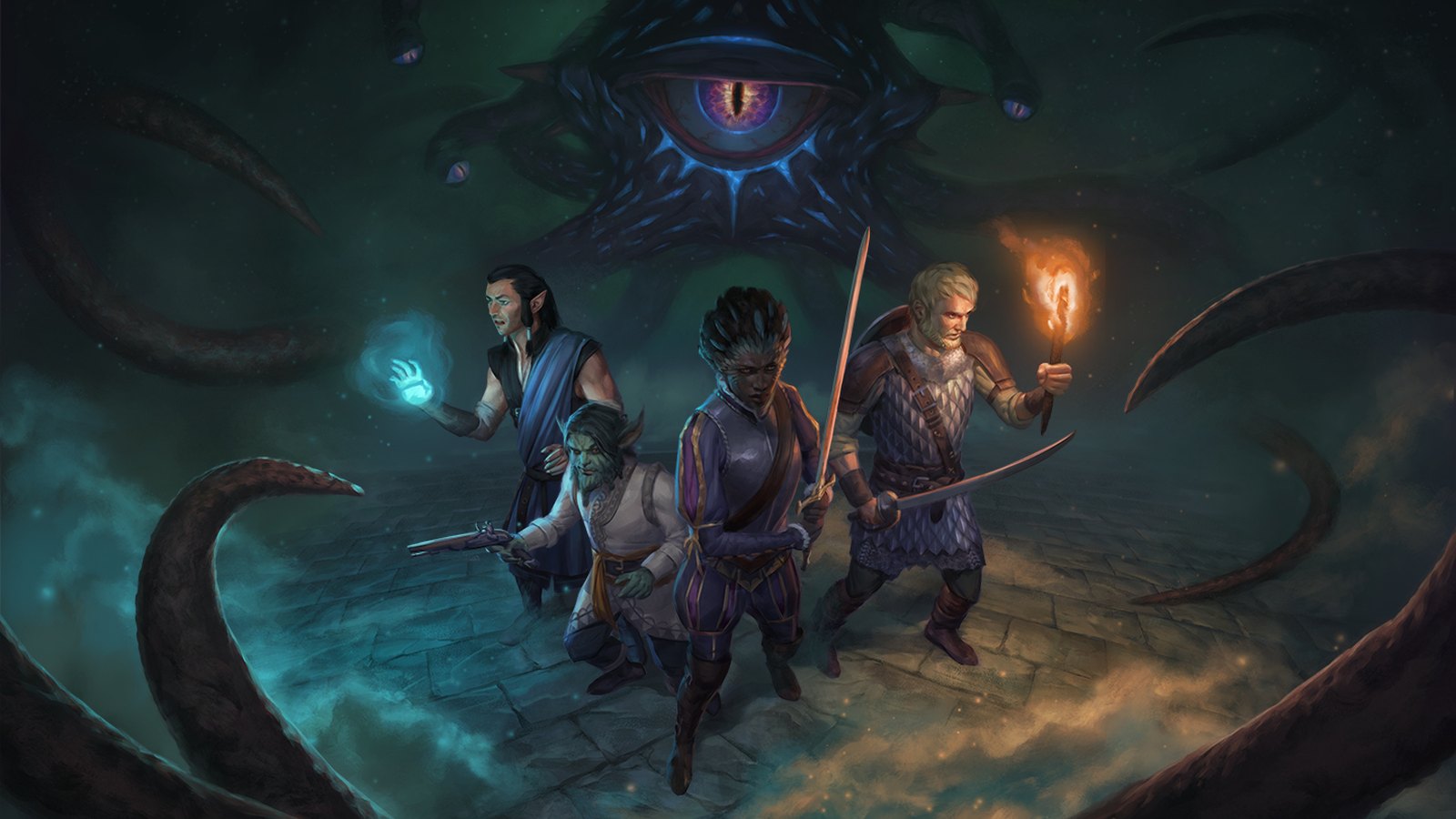
Obsidian Entertainment has officially released full PC controller support for Pillars of Eternity and Pillars of Eternity II: Deadfire. The updates went live on November 17, 2026, bringing gamepad controls to both RPGs across Steam, GOG, and Xbox on PC, with the original Pillars of Eternity also receiving the update through the Epic Games Store.
The release follows the public controller support beta for both games introduced earlier in November. Obsidian confirmed the final rollout through its official forums, alongside detailed patch notes covering controller navigation, Steam Deck compatibility, gameplay adjustments, and bug fixes.
Both games can now be played entirely with a controller, from character creation through exploration, dialogue, combat, inventory management, and other interfaces. Players can also switch between a controller and mouse and keyboard at any time, with the interface automatically adapting to the active input method.
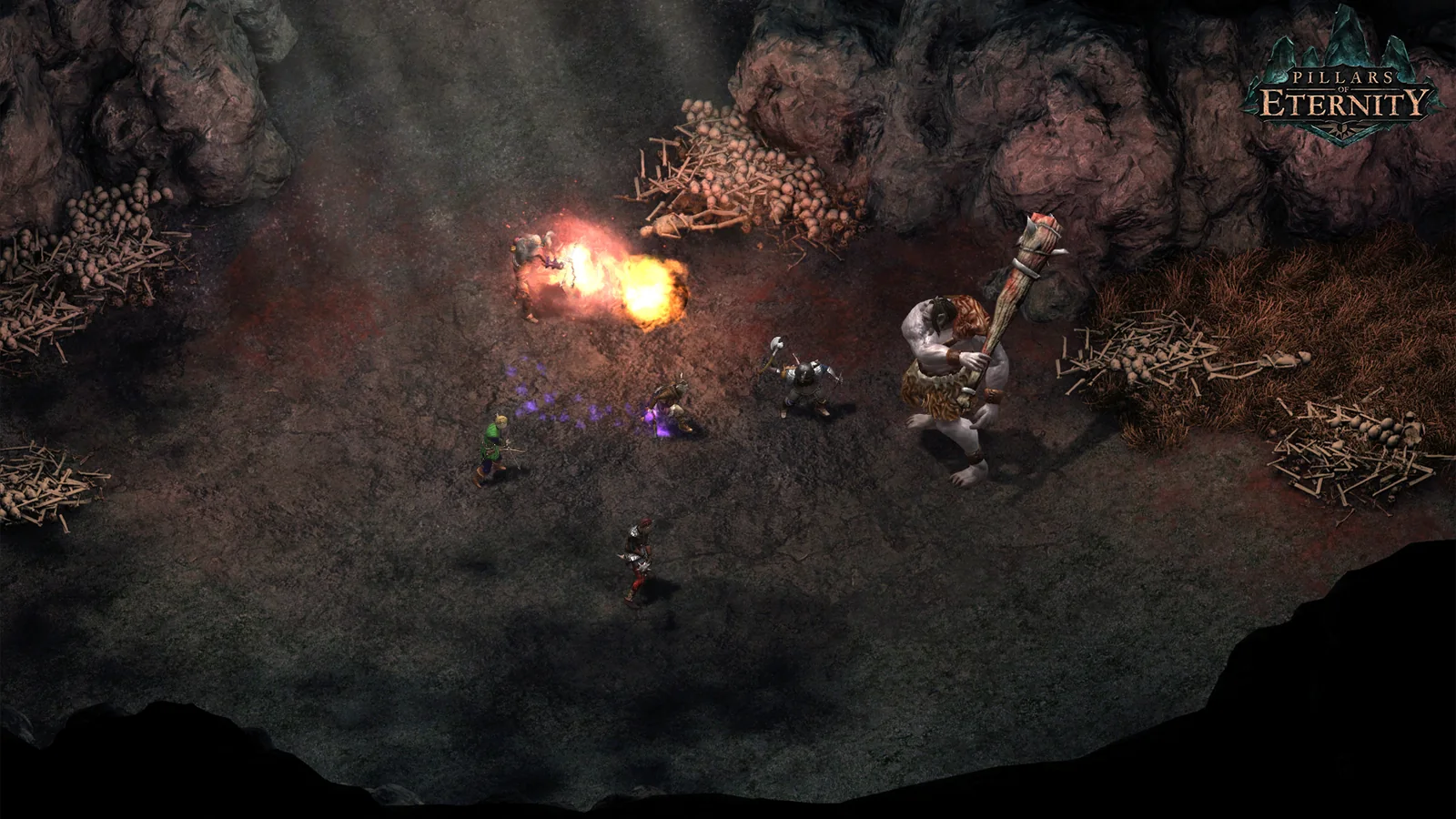
The implementation supports Xbox and PlayStation controllers, along with Steam Deck and Steam Big Picture mode. Controller-friendly radial menus provide access to abilities, spells, items, and party commands, while on-screen keyboards allow handheld players to enter character names and other text without switching input devices.
Pillars of Eternity receives Patch 3.10.0, which extends controller navigation to its Stronghold management, crafting, enchanting, and world map systems. The update also introduces cloud saves for the Xbox PC/Microsoft Store version and resolves several gameplay and interface issues.
Obsidian acknowledges that some controller problems may remain. In the original game, rearranging party portraits or formations can still cause unexpected controller navigation behavior.
Pillars of Eternity II: Deadfire receives the larger Patch 5.1.0.0, which adds controller support throughout its campaign, including naval exploration and ship combat. The update also substantially redesigns the game’s turn-based combat system.
Deadfire’s revised turn-based mode replaces the original system in which every character acted once per round. Turn frequency now depends on initiative derived from character recovery speed. Faster characters, including those with higher Dexterity, lighter armor, or speed-enhancing effects, can act multiple times within a round. Slower characters may take fewer turns or potentially miss an entire round when affected by substantial speed penalties.
Combat damage has also increased, with a global 35% damage bonus applied in turn-based mode to make encounters more lethal. Dexterity no longer provides its previous Stride bonus in this mode, while the influence of Intellect on effect duration has increased from 5% to 10% per point.
The update changes the action economy as well. Swapping weapon sets, drinking potions, and toggling modal abilities now count as free actions, although each type of free action is limited to one activation per turn. Interrupts also delay an opponent’s next turn by increasing its initiative value.
Players can now switch between turn-based combat and real-time with pause during an existing playthrough, provided they are outside combat. The setting is accessible through the options menu, a new HUD control, or the T key.
Beyond these mechanical changes, Deadfire’s update fixes several crashes, quest progression problems, combat bugs, visual glitches, and interface issues. The fixes include loading failures, interruptions during ship battles, and certain abilities that previously caused characters or enemies to become unresponsive.
The controller additions are particularly relevant to handheld PC gaming. Both RPGs now support controller-based navigation across their major systems, reducing the need to rely on mouse-style input on Steam Deck. The original Pillars of Eternity is currently listed as Steam Deck Verified, while Deadfire carries a Playable rating.
Obsidian says feedback from the public testing period helped prepare the updates and that it will continue addressing issues reported by players. Both patches are now available, completing the transition from the earlier controller support tests to full public releases.
